Japan plans to revise automotive safety certification standards to pave the way for mass production of L4 and L5 level autonomous vehicles
The Block
49m ago
Ai Focus
According to Nikkei Asia, the Japanese government is considering revising automotive safety certification standards to allow autonomous vehicles without a steering wheel, brake pedal, or accelerator pedal to be certified under unified standards, in order to promote the mass production of new types of vehicles such as driverless taxis. The new regulations will cover L4 level and L5 level autonomous vehicles, and are planned to be applied to vehicles produced from December onwards.
Helpful
No.Help

IT News on November 3rd: According to a report by Nikkei Asia this morning (November 3rd), the Japanese government is considering revising automotive safety certification standards to allow autonomous vehicles without a steering wheel, brake pedal, or accelerator pedal to be certified according to unified standards, in order to promote the mass production of new types of vehicles such as driverless taxis.

The new regulations will cover two types of vehicles: one is the L4 level autonomous driving cars that can operate independently under specific conditions, and the other is the L5 level fully autonomous driving cars that do not require human intervention from a driver. Previously, the Japanese government has adopted a separate certification process to conduct safety reviews for each of these vehicle types individually.

A working group under Japan's Ministry of Land, Infrastructure, Transport and Tourism will meet on the 4th to discuss the revision plan, and the new standards are scheduled to be applied to vehicles produced from December onwards.
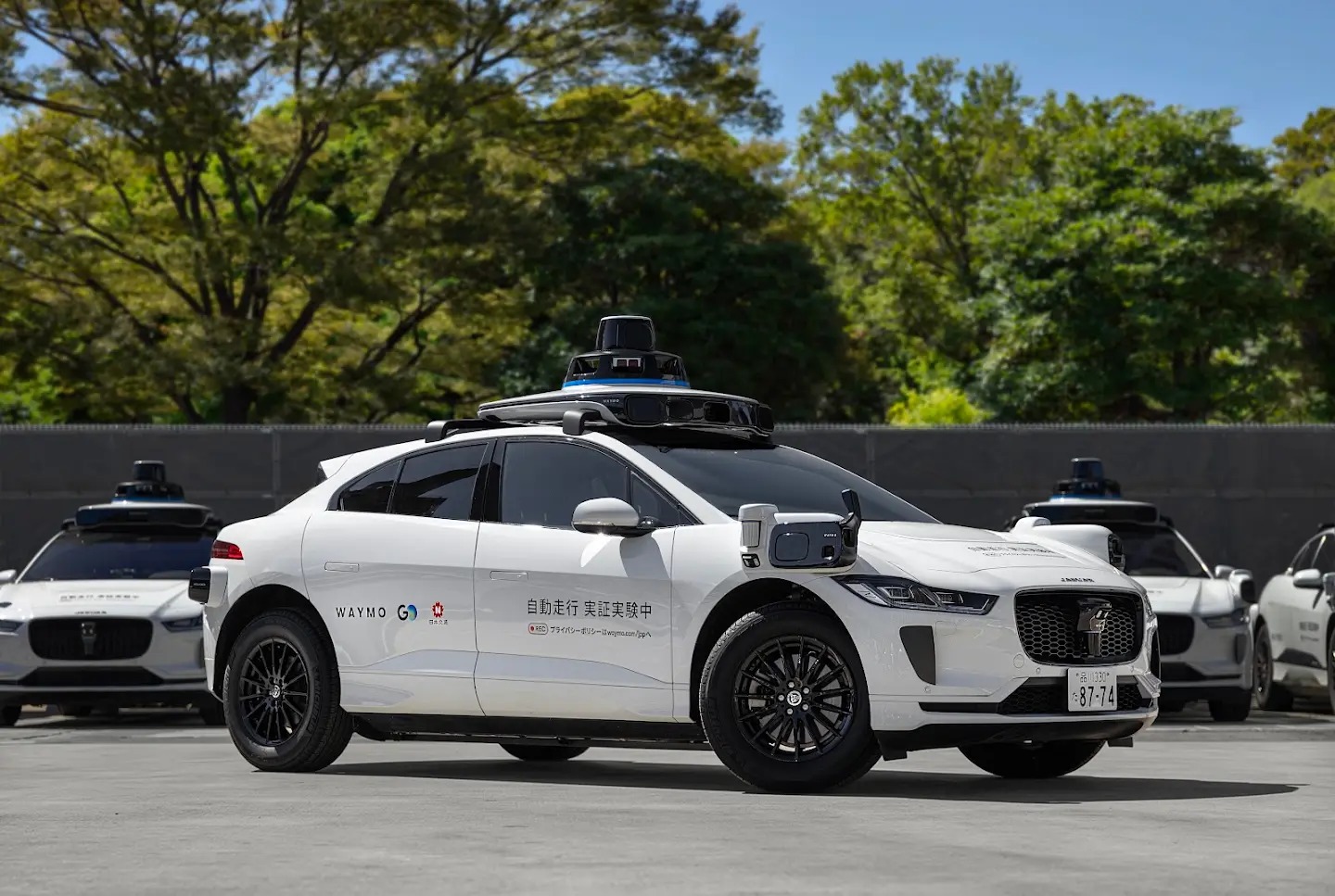
Autonomous vehicles do not require traditional driving equipment such as steering wheels, pedals, rearview mirrors, and driver monitoring systems. Eliminating these components not only reduces manufacturing costs but also frees up more space inside the vehicle, allowing car manufacturers to adjust the cabin layout more conveniently.

In terms of safety requirements, passenger vehicles such as taxis and buses still have to use dummies for collision tests. Freight vehicles are exempt from this test, but manufacturers must ensure that the vehicles can avoid accidents in the event of system failures.

In June this year, the United Nations World Forum for Harmonization of Vehicle Regulations reached an agreement on safety standards for autonomous vehicles. The international standards are expected to be officially implemented in December, and Japan's Ministry of Land, Infrastructure, Transport and Tourism also plans to revise vehicle safety standards in accordance with local laws.

The United States is in a leading position in the research and development and commercialization of L4 level autonomous vehicles, however, it has not joined the important agreement under the WP.29 framework that allows countries to mutually recognize vehicle certification results. In September this year, Tesla began to use L4 level driverless taxis without steering wheels or pedals to provide passenger transportation services.

The Japanese government plans to put at least 10,000 buses and taxis with L4 level autonomous driving capabilities into road operation by the fiscal year 2030.

Tip
$0
Like
0
Save
0
Views 26
HQYC reminds readers to view blockchain rationally, stay aware of risks, and beware of virtual token issuance and speculation. All content on this site represents market information or related viewpoints only and does not constitute any form of investment advice. If you find sensitive content, please click“Report”,and we will handle it promptly。
Submit
Comment 0
Hot
Latest
No comments yet. Be the first!
Related
Marvell Stock Price Falls, Chip Manufacturers Bet $115 Billion on AI Data Center Boom
Marvell indicates that it will acquire Lumentum Holdings through a all-stock transaction, with the deal valued at $115 billion. The latter is a producer of photon technology for data centers. Following the announcement of the news, the stock price of Marvell fell by nearly 13%, and Lumentum closed down more than 18%.
Businessinsider
·2026-11-03 08:53:12
8
The Garry Tan of Y Combinator uses AI and agents so frequently, spending up to $200,000 annually on tokens.
Y Combinator CEO Garry Tan indicates that he spends approximately $100,000 to $200,000 each year on tokens of AI and agents, using it for work, coding, and lifestyle management; he also mentioned that YC is currently using internal AI and agent to reshape its operations.
TechCrunch
·2026-11-03 08:42:58
17
Disney Plans to Lay Off Thousands of Employees; Some Management Told to Cut Annual Costs by 20%
According to Bloomberg, which cites people familiar with the matter, Disney plans to lay off thousands of employees, and some managers have been asked to cut annual costs by 20%. The company will save money through layoffs and reducing other expenses, and will use some of the funds for film and television production, technology research and development, as well as its theme park and cruise ship operations.
The Block
·2026-11-03 08:42:56
17
Hinge Testing cheaper subscription plans as users grow increasingly tired of paying for dating apps
Match Group stated during the third-quarter financial report conference call in 2026 that Hinge is testing a lower-priced subscription tier, with new features including more filtering options and customizable position boundaries. The company mentioned that this solution is particularly aimed at women and price-sensitive users; meanwhile, Hinge saw growth in monthly active users, paid users, and direct revenue during that quarter, whereas Tinder experienced a decline in both direct revenue and paid users year-over-year.
TechCrunch
·2026-11-03 08:32:51
20
View More