On election night, the Democratic Party performed surprisingly strongly, causing a significant decline in U.S. stock market futures, as Wall Street faced the prospect of intensified party opposition over the next two years.
Although the results of most elections have not yet been finalized, the Democratic Party has won a Senate seat in South Carolina, a deeply red state, and maintains a clear lead in Texas and Kansas, which are strongholds for the Republican Party.
Democratic gubernatorial candidates are also in the lead in Texas and Ohio, which have always been major hotspots for data center construction. However, the nearly explosive growth rate in recent years has sparked a strong backlash, which may slow down the momentum behind the topic of artificial intelligence transactions.
Futures linked to the Dow Jones Industrial Average fell by 380 points, a decrease of 0.73%; S&P 500 index futures fell by 1.12%; Nasdaq futures tumbled by 2.07%.
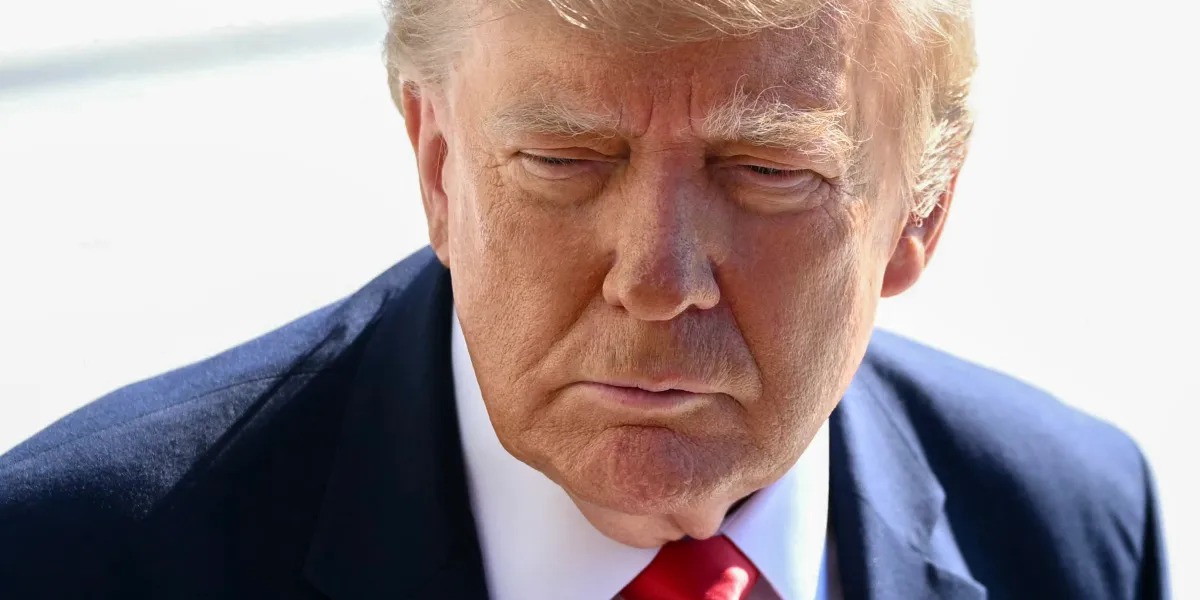
Previously, there were concerns in the market that the war between the United States and Iran might escalate again, as President Donald Trump had threatened to take action after the mid-term elections.
But that was not the case on Tuesday evening. Trump told The Financial Times that he currently has no plans to attack Iran immediately, which led to a decline in oil prices.
Wall Street usually prefers a divided government, because political deadlock can prevent either side from going too far.
However, market veteran Ed Yardeni warns that as bond investors become increasingly uneasy about U.S. debt and deficits, deepening partisan divisions could turn the deadlock into "harmful political paralysis."
"A Democratic sweep could complicate negotiations over government spending and the debt ceiling," he wrote later on Monday, "A prolonged shutdown and fiscal standoff could push up U.S. Treasury yields, thereby suppressing stock valuations."
Adney also pointed out that Trump has always relied heavily on executive power, and the Congress, which is controlled by Democrats, is less likely to impose constraints on him as it used to in the past.
He added that some of Trump's policies that had the greatest impact on financial markets, particularly tariffs and the Iran war, were implemented without congressional approval.
"Furthermore, with the midterm elections over, Trump may feel less constrained politically and be more inclined to pursue controversial policies through executive action," said Adney. "Therefore, a 'blue wave' could bring a chill to the stock market, but given the astonishingly strong economy and corporate profits, we would see significant selling as an opportunity to buy in."