Enhance network security for AI, HPC, and data centers
Ai Focus
In a white paper, Rambus states that the workloads of AI and HPC are reshaping the data center network, creating two different network domains: front-end and back-end, each with its own unique performance, scalability, and operational requirements. The white paper explores the architecture and security considerations of these dedicated networks, as well as how data center operators can protect critical data and communications without compromising the performance required by the distributed AI and HPC workloads.
Rambus indicates that AI and high-performance computing (HPC) workloads are transforming the data center network, creating distinct front-end and back-end network domains. These two types of networks differ in terms of performance, scalability, and operational requirements.
Among them, the front-end network is responsible for connecting users, applications, storage, and managing the system; the back-end network provides the high-speed connections required between GPU, accelerators, and computing nodes.
This white paper explores the architecture and security considerations related to these dedicated networks, and explains how data center operators can protect critical data and communications without affecting the performance required by the workloads of the distributed AI and HPC.
Key points of the white paper include:
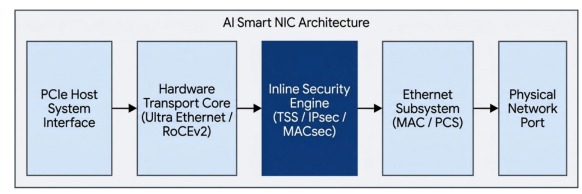
- The different roles played by front-end and back-end networks in modern AI and HPC infrastructure
- Requirements for each network domain in terms of performance, operations and maintenance, and security
- How to Protect Data and Communications in an Increasingly Distributed Computing Environment
Figure 1: Cybersecurity in AI NIC. Source: Rambus
Follow HQYC official accounts to stay updated
 Views
29
HQYC reminds readers to view blockchain rationally, stay aware of risks, and beware of virtual token issuance and speculation. All content on this site represents market information or related viewpoints only and does not constitute any form of investment advice. If you find sensitive content, please click“Report”,and we will handle it promptly。

No comments yet. Be the first!

Elon Musk's record-breaking election bet fails; the fallout may affect more than one billionaireThe Democratic Party's decisive victory in the midterms is seen as a major setback for Elon Musk and the artificial intelligence industry. It also poses greater challenges to the political influence of Trump and his tech allies, as well as the debt-driven expansion of data centers. Musk spent at least $474 million on the midterms, with nearly half of that going to Texas, yet the candidates he supported still lost in the wave of Democratic support.
5 
Bitcoin rebounds after the U.S. midterms, can it withstand the selling pressure of ETF?Bitcoin rebounded to around $78,000 after the results of the U.S. mid-term elections were announced, but previously, spot Bitcoin ETF had seen net outflows for three consecutive trading days, totaling over $1.15 billion. The article also discusses the Federal Reserve's interest rate decisions, the October employment report, Binance security incidents, and the impact of these factors on Bitcoin's trend.
crypto.news
·2026-11-04 18:56:0617 
AMD Expected to See Rapid Revenue Growth in the Next YearAI Server chip manufacturer Supermicro Semiconductor ( AMD ) stated that its revenue this quarter is expected to grow by about 66% year-on-year, and next year's revenue growth rate is expected to exceed 80%. The company also anticipates that the gross margin in the fourth quarter will increase slightly by 1 percentage point compared to the third quarter. After the announcement, the AMD stock price rose by more than 8% after the market closed.
The Block
·2026-11-04 18:56:0317 
Wallstreetcn
·2026-11-04 18:56:0215 
Solana Co-founder Says Phishing and Social Engineering Attacks Are the Biggest Threats to CryptocurrenciesSolana, co-founder with Anatoly Yakovenko, stated that phishing and social engineering attacks represent the greatest threats to cryptocurrencies, rather than AI or quantum computers cracking encryption security. He also recommended using independent iOS devices with Apple Lockdown Mode enabled, as well as multi-signature wallets. The article also mentioned recent security incidents involving Binance and the fraud and phishing activities disclosed by SEAL.
U.Today
·2026-11-04 18:48:0113 View More













