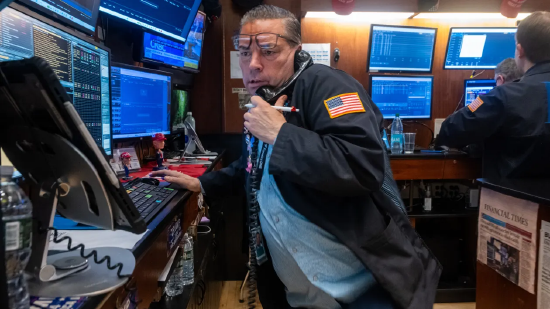
On Wednesday, Eastern Time, the three major U.S. stock indices closed with mixed results. Although NVIDIA, a leader in artificial intelligence, reported third-quarter earnings that exceeded expectations, the stock opened high but closed lower, falling nearly 3% due to leadership changes and uncertainties surrounding export controls. Meanwhile, the sharp decline in the healthcare insurance sector dragged down the Dow Jones Index by more than 1%. Additionally, the minutes from the Federal Reserve's October monetary policy meeting, released in the afternoon, sent a strong hawkish signal, raising market concerns about further interest rate hikes.
The Dow Jones Industrial Average fell by 561.25 points, a decrease of 1.11%, to 50,198.17 points; the S&P 500 Index fell by 16.90 points, a decrease of 0.23%, to 7,323.63 points; the Nasdaq Composite Index rose by 101.50 points, an increase of 0.42%, to 24,429.88 points.
There is a significant differentiation within the tech sector. NVIDIA opened higher but closed lower. Despite announcing better-than-expected third-quarter results earlier on, the company's performance was affected by changes in leadership and uncertainties surrounding export controls. As a result, several investment banks, including Bernstein and Evercore, downgraded their ratings for NVIDIA on Wednesday. On that same day, NVIDIA's interim CEO, Colin Russell, addressed all employees at a meeting, urging them to "look forward" and announced salary increases to boost morale. However, the stock continued to weaken in the afternoon and ultimately closed down 2.89%, at $150.96, marking its fifth consecutive trading day of decline.
Other chip stocks outperformed NVIDIA, with AMD surging more than 5% against the market trend, Broadcom rising by over 3%, and Micron Technology closing slightly lower by 1%. Among the large tech stocks, Amazon closed up more than 3%, becoming the main driver behind the Nasdaq's turnaround to positive territory. Apple, Microsoft, Tesla, and Google also closed with slight gains, while Meta saw a slight decline.
In terms of sectors, the U.S. Centers for Medicare & Medicaid Services (CMS) plans to expand the audit scope of the Medicare Advantage program and extend it back to the 2018 payment year, with an expected reduction of nearly $90 billion in federal spending over the next decade. Impacted by this news, insurance giants such as UnitedHealth tumbled about 8% during trading, while Humana fell more than 8%, becoming the biggest drag on the significant decline in the Dow Jones index.
The consumer retail sector has become a safe haven for the market thanks to its impressive financial reports. Discount retailer TJX surpassed expectations in its third-quarter performance and raised its full-year outlook, causing its stock price to soar by over 10%; Target also saw a gain of over 4% due to its third-quarter results exceeding expectations. The market is awaiting Walmart's latest financial report before the opening bell on Thursday.
The Fed minutes are hawkish, with multiple officials mentioning the need for "unconventional interest rate hikes." The minutes from the Federal Open Market Committee (FOMC) meeting on October 27-28, released by the Fed on Wednesday afternoon, show that nearly all attending officials believed that further interest rate increases in the future might be appropriate. What put even more pressure on the market is that several officials pointed out during the meeting that if the upcoming inflation data is unfavorable, "a hike of more than 25 basis points" might need to be considered at the December meeting.
Driven by tightening expectations, the US dollar index strengthened to a 19-month high; the yield on 10-year US Treasury bonds fluctuated in a five-year high range of 5.06% to 5.09%. Risk assets such as spot gold and Bitcoin, as well as interest-free assets, came under pressure, with spot gold falling by more than 3% and Bitcoin dropping by over 2% during the day to around $62,400.
International oil prices fell significantly. As of the close of trading on that day, the price of light crude oil futures for December delivery on the New York Mercantile Exchange dropped by $2.75 to close at $83.26 per barrel, a decrease of 3.2%; the price of London Brent crude oil futures for January delivery fell by $1.19 to close at $91.95 per barrel, a decrease of 1.28%.
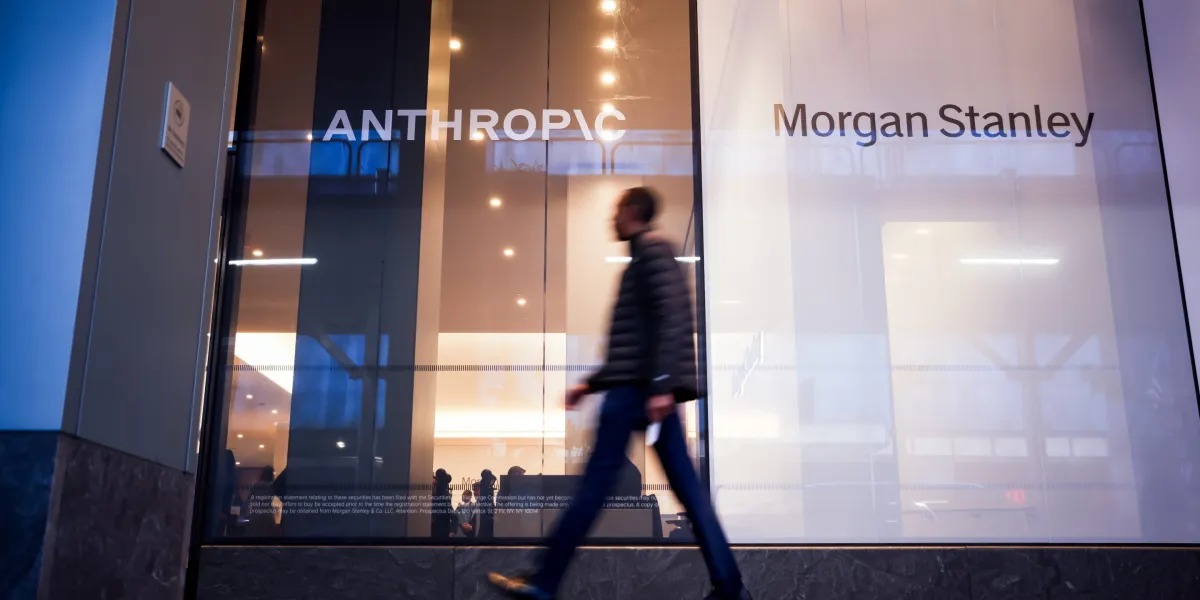
This Thursday, the artificial intelligence powerhouse Anthropic is expected to officially list on NASDAQ under the ticker “ANT”. The company has set a pricing range of $70 to $78 per share, with a maximum valuation of approximately $1.4 trillion. The market will closely monitor the stock's performance upon listing to assess the true risk appetite of both primary and secondary markets towards the AI sector.