












Key points:
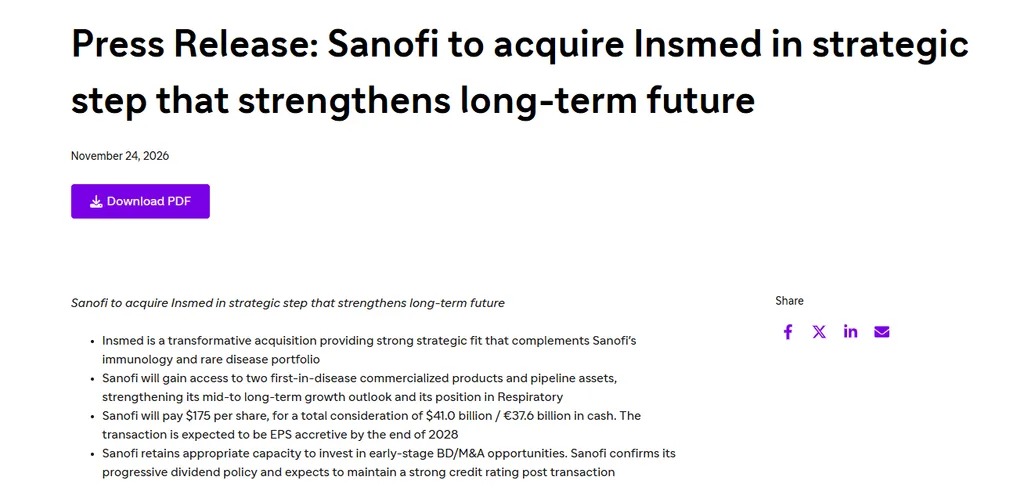
- Sanofi agrees to acquire Insmed for $41 billion
- This acquisition is aimed at expanding Sanofi's portfolio of respiratory system medications.
- The transaction is expected to be completed in the first half of 2027.
French pharmaceutical giant Sanofi announced on Tuesday that it has agreed to acquire US biotech company Insmed for $41 billion in cash. This makes it one of the largest biotech mergers and acquisitions in nearly three years.
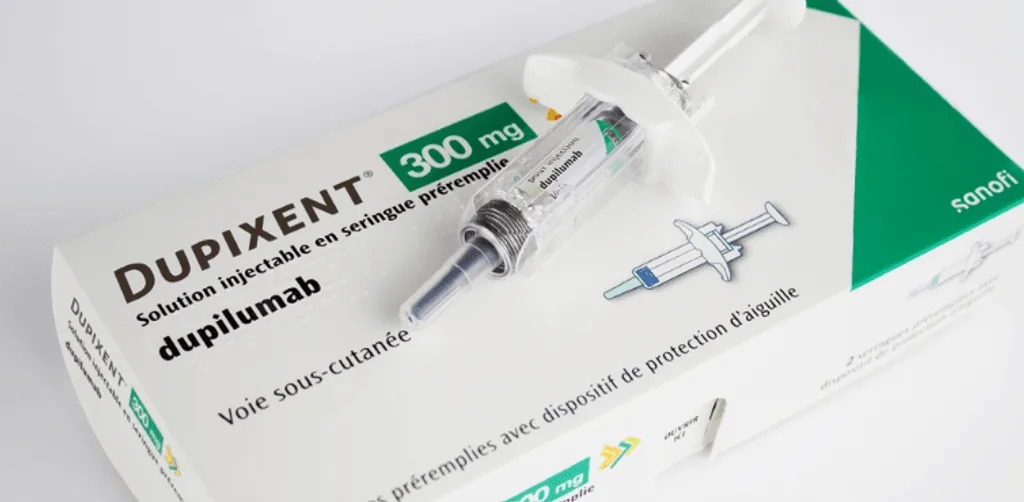
This transaction is part of Sanofi's strategy to diversify its drug portfolio and reduce its dependence on the blockbuster drug Dupixent.
Why did Sanofi acquire Insmed?
This acquisition is a major strategic move led by Sanofi's CEO Belen Garijo, aimed at enhancing the long-term growth prospects of this French pharmaceutical company.
Before the expiration of the patent protection related to Dupixent, Sanofi has been facing pressure to diversify its sources of revenue. Dupixent is a drug widely used for the treatment of asthma and inflammatory diseases. The product portfolio of Insmed includes Brinsupri, which is a drug used to treat non-cystic fibrosis bronchiectasis; this disease is a chronic lung condition that can lead to persistent coughing and recurrent infections.
This biotech company has also developed Arikayce for the treatment of certain severe lung infections and is advancing experimental respiratory therapies through later-stage clinical trials.
Sanofi stated that this acquisition will help the company expand its presence in the field of respiratory medicine, while also strengthening its existing immunology and rare diseases businesses.
Insmed Stock price rose before the acquisition announcement
However, this high acquisition price has also raised doubts from the outside world about the potential financial pressure it may impose on Sanofi, as well as whether the treatment products of Insmed can truly generate sufficient revenue to justify this investment.
Insmed When will the acquisition be completed?
Sanofi will fund this acquisition by combining its existing cash reserves with debt financing. The pharmaceutical giant expects that this transaction will begin to have a positive impact on its earnings per share by the end of 2028.