Key Points
- The United States has added seven companies to a blacklist for suspected violations of AI chip export restrictions.
- It is reported that a company associated with Alice Huang obtained financing by using AI computing devices, valued at $270 million, as collateral.
- Alibaba has raised objections to being blacklisted, a move that may complicate its AI expansion plans.
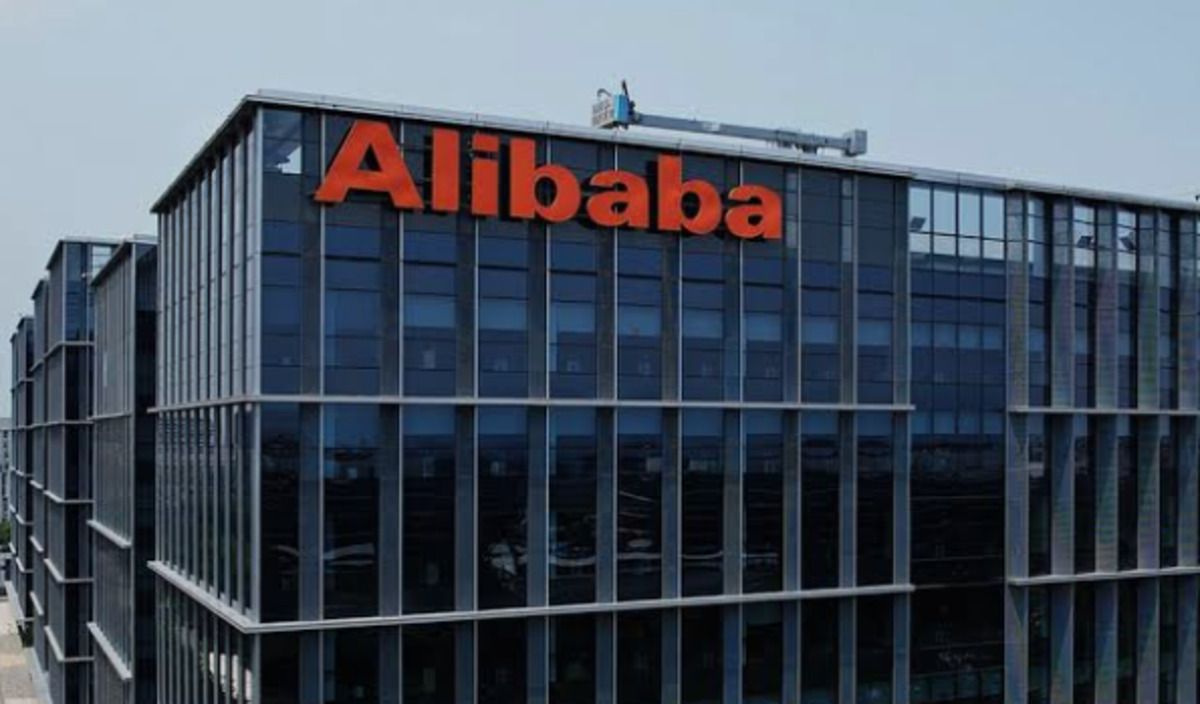
As Washington intensifies its efforts to crack down on the suspected flow of advanced artificial intelligence (AI) chips to China, the United States has added seven companies to a blacklist, including a subsidiary of Chinese technology giant Alibaba.
Before this measure was introduced, new developments surrounding Chinese businesswoman Alice Huang came to light. Her relationship with NVIDIA CEO Jensen Huang (Jensen Huang) sparked a corporate scandal and temporarily resulted in her losing her leadership position.
On November 25th, Reuters reported that a company associated with Alice Huang used computing devices worth approximately $270 million, identified as AI, as collateral to obtain financing. This has raised serious doubts among the public about China's access to advanced technologies.
The United States has added Alibaba's subsidiary and six other companies to a blacklist.
The US Department of Commerce announced on Monday that it has added seven companies operating in Southeast Asia to the Entity List. These include Alibaba's subsidiary located in Singapore Apex Enterprise Solutions, as well as the cloud computing company Megaspeed International; the latter had previously listed NVIDIA as one of its main technology suppliers.
This determination means that exporting or transferring technology subject to US regulations to these companies will face additional licensing requirements.
U.S. authorities have been investigating Megaspeed since 2024 due to its alleged violation of export controls designed to restrict China's access to advanced AI chips. According to Reuters, a subsidiary of Alibaba is said to have prepaid approximately $4.2 billion to Megaspeed and other companies in order to secure computing power capacity in Southeast Asia.
Alibaba raised objections to being blacklisted and insisted that Apex did not transfer any restricted chips.
Alice Huang Equipment Worth $270 Million AI Under Scrutiny
Enterprise financing records show that companies associated with Alice Huang once used hundreds of AI servers and computing modules as collateral to obtain financing. These devices are valued at approximately $270 million and are related to large-scale AI computing facilities within China.
These findings add a new dimension to the controversy surrounding Huang. Huang was once a senior executive at Megaspeed, and her relationship with NVIDIA's CEO has drawn significant attention from U.S. authorities.
However, these financing records alone cannot independently prove that the relevant equipment was obtained in violation of U.S. export restrictions.
The latest revelation also came after NVIDIA decided on Monday to reinstate Jensen Huang as its CEO, and Washington announced this blacklist on the same day.
Alibaba's AI ambitions face pressure
This blacklisting is a major setback for Alibaba's plans to expand its AI infrastructure and compete with global technology giants.
Under the US semiconductor export restrictions, Chinese companies have been relying on overseas data centers to access advanced computing resources. Washington's latest actions may complicate such arrangements further, increase regulatory risks, and raise the infrastructure costs for Chinese technology companies.