Key Points
- SpaceX stock price falls nearly 49% from its record high
- Potential Tesla merger raises concerns about shareholder dilution
- The inclusion of the S&P 500 could unleash significant institutional demand.
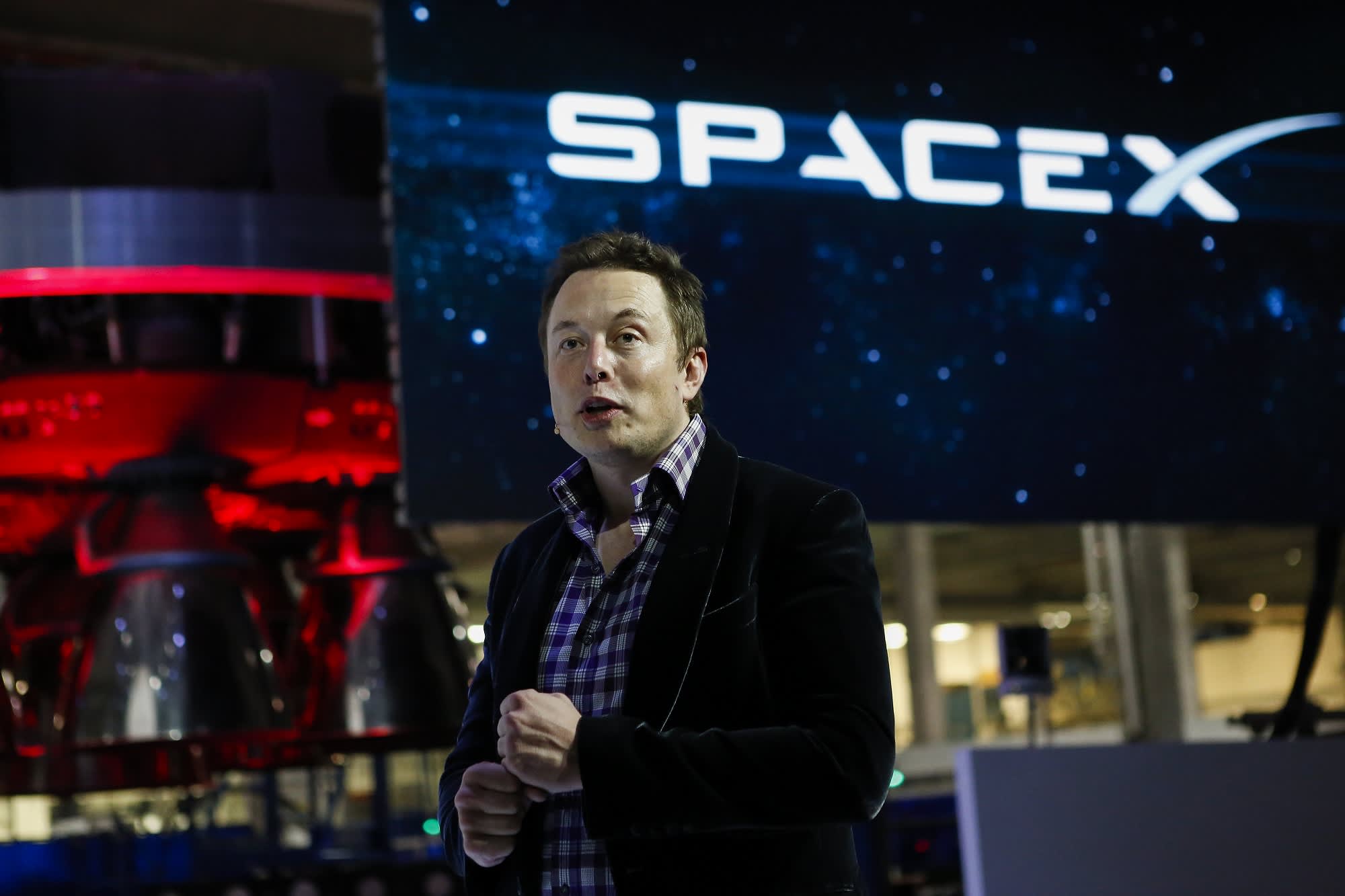
SpaceX ( NASDAQ : SPCX ) On Wednesday, November 25th, the stock price continued to fall, approaching $115. Investors are assessing its financial impact on a potential merger with Tesla ( NASDAQ : TSLA ) worth 3.5 trillion dollars.
This decline has caused SpaceX to fall by approximately 49% from its record high of $225.64 set on June 16. The stock is also currently about 14% lower than its initial public offering price of $135, reversing the previous gains driven by optimistic stock price forecasts for SpaceX.
In documents submitted to the U.S. Securities and Exchange Commission (SEC) in October, SpaceX confirmed that the company's board of directors has established a special committee to assess the possibility of a potential merger with Tesla.
As Tesla's merger negotiations progress, the stock price of SpaceX declines.
It is reported that five independent directors are negotiating the terms of what could become the largest corporate merger in history, and it is expected that a related agreement could be reached by the end of 2026.
SpaceX has hired Goldman Sachs and Morgan Stanley as financial advisors, while Tesla has collaborated with Evercore. However, neither company has yet announced the final merger agreement, nor have they disclosed the agreed-upon stock exchange ratio.
One of the biggest challenges facing the proposed SpaceX - Tesla merger is the widening gap in the stock prices of the two companies.
On Tuesday, SpaceX fell by 5.65% to close at $125.81; Tesla only fell by 0.20% to close at $384.68. If SPCX continues to weaken, the number of shares that SpaceX needs to issue in order to acquire Tesla at the agreed valuation may increase.
SpaceX Will the stock price fall below $100?
The Future Fund Managing Partner Gary Black believes that acquiring Tesla entirely through stock could put additional pressure on the SpaceX stock price.
In a hypothetical transaction, if a 25% acquisition premium is offered to Tesla's shareholders, Black estimates that SpaceX may need to increase the number of outstanding shares by approximately 52%.
Determining the appropriate stock swap ratio is particularly complex, as Tesla's valuation increasingly reflects market expectations for autonomous driving, robotics, and artificial intelligence, rather than just automobile sales.
Black It is estimated that completing this transaction may take 12 to 18 months, which could potentially encourage merger and acquisition arbitrage traders to go short on SpaceX stocks.
In his bearish scenario, SPCX is expected to fall below $100, which is about 26% lower than its initial IPO price.
Tesla's acquisition may accelerate the inclusion of SpaceX in the S&P 500
Despite concerns about dilution, the merger may also bring another significant advantage to SpaceX: an earlier inclusion in the S&P 500.
JPMorgan Chase estimates that being accelerated into the S&P 500 could generate passive investment demand equivalent to approximately SpaceX of about 10% of the freely tradable shares. The outcome depends on the transaction structure as well as the approval of the index committee.
In addition to the potential inclusion in indices, JPMorgan Chase previously regarded AI revenue growth as an important driver for the long-term valuation of SpaceX. The company's third-quarter revenue reached $14.6 billion, a year-on-year increase of 161%; net profit reached $4.4 billion.
Musk proposed the idea of integrating Starlink into Tesla cars, which also highlights the potential business opportunities between the two companies.