

Brent crude oil prices fell significantly ahead of the Federal Reserve's policy decision, as market concerns about short-term inflationary pressures eased. Following the US suspension of military action against Iran and the resumption of diplomatic engagement, expectations of energy supply risks cooled, causing oil prices to decline.
Easing geopolitical tensions led to a decline in oil prices.
Crude oil prices had previously been influenced by the situation in the Middle East. With the US pausing its military action against Iran and resuming diplomatic negotiations, market concerns about supply disruptions have eased. This change directly depressed Brent crude oil prices and also cooled inflation expectations.
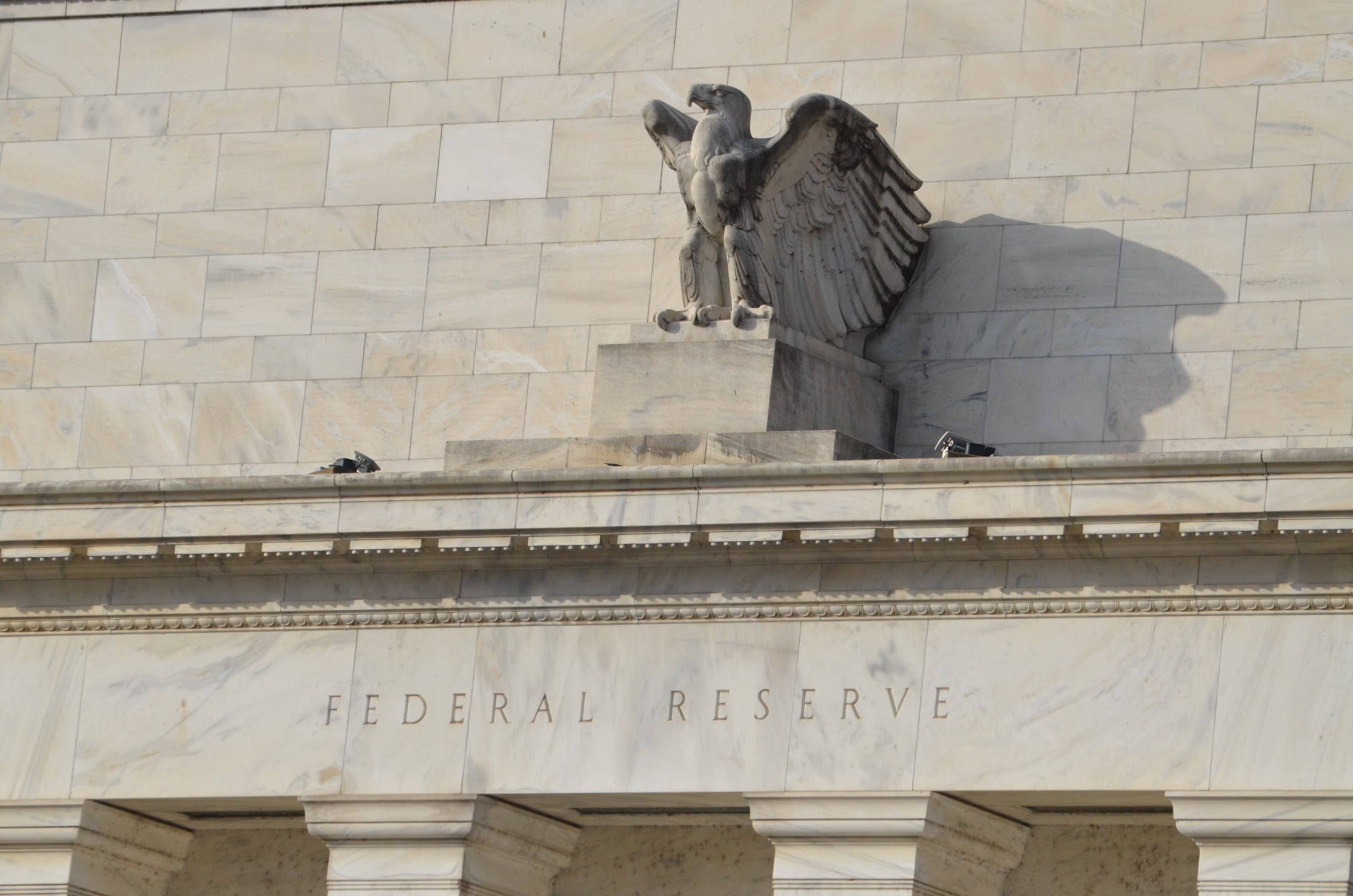
The market awaits the latest assessment from the Federal Reserve.
The market still widely expects the Federal Reserve to keep interest rates unchanged this time. However, investors are not only focused on whether the Fed will hold rates steady, but also on how policymakers will update their assessment of the economic and interest rate outlook.
Especially given the backdrop of falling oil prices, if inflationary pressures continue to ease, the Federal Reserve may retain more policy space. Conversely, if energy prices rebound, inflation risks could rise again, influencing the Fed's statements regarding the future path of interest rates.
Oil price trends remain a key focus for inflation monitoring.
For the market, crude oil prices not only affect the energy sector but also transmit to overall inflation expectations. This recent decline in Brent crude oil prices has temporarily eased concerns about imported inflation.
Going forward, the market will be watching two key indicators: whether the situation in the Middle East continues to ease, and whether the Federal Reserve's economic forecasts release clearer policy signals. If oil prices rise again, interest rate expectations may also be adjusted accordingly.