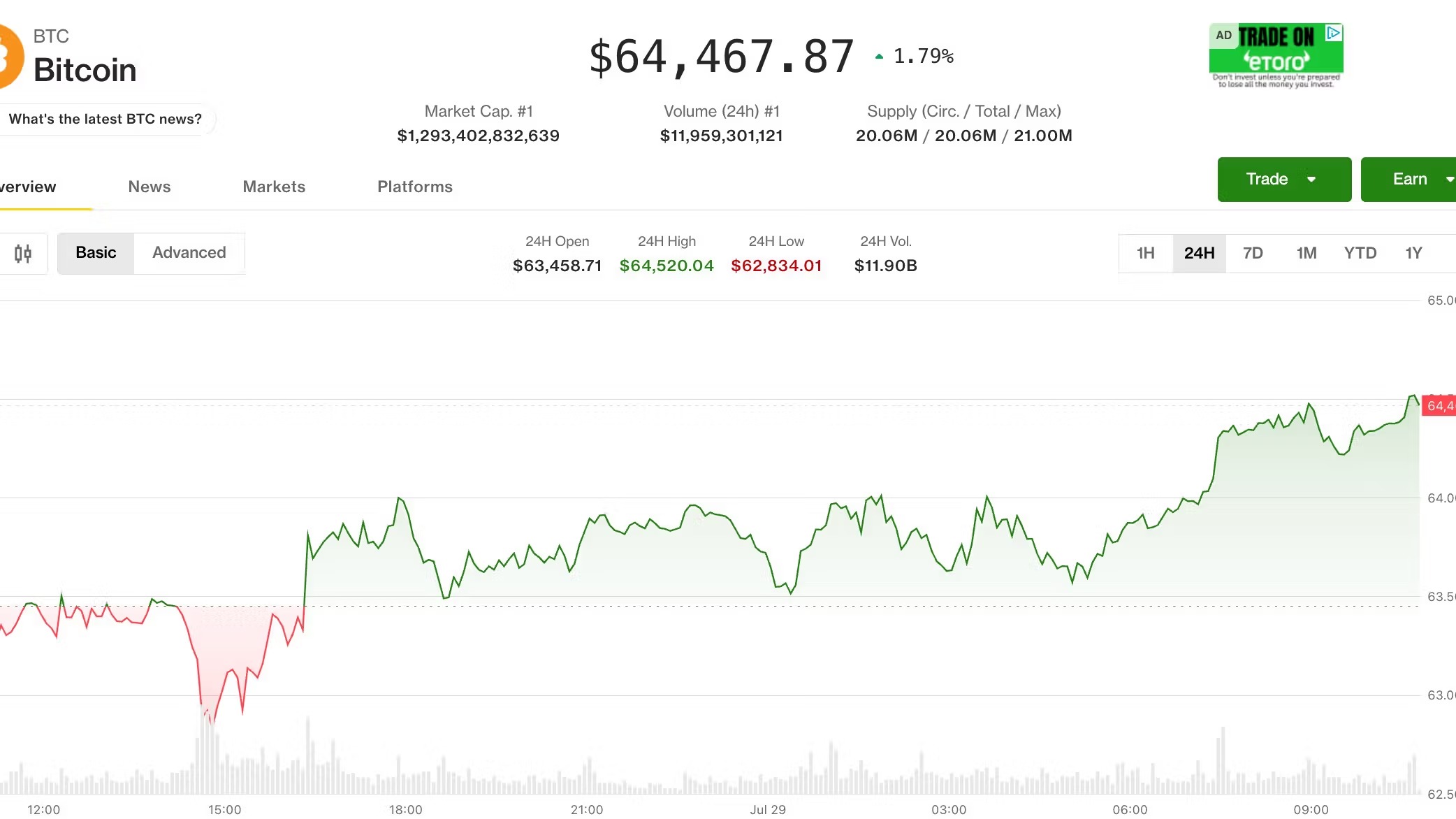


Foreign media believe that although the Federal Reserve meeting did not release economic forecasts and an interest rate dot plot simultaneously, its impact on Bitcoin is still significant. The market has not yet reached a consensus on the outcome, and the simultaneous rise in US Treasury yields and oil prices has created greater volatility risk for the cryptocurrency market on the day of the interest rate decision.
Markets remain divided on the outcome.
The report, citing CME federal funds futures data, stated that as the decision approached, the market still projected a roughly 35% probability of a rate hike. This is unusual. Typically, before the interest rate decision is announced, traders will bet more heavily on one of three outcomes: no change, a rate hike, or a rate cut.
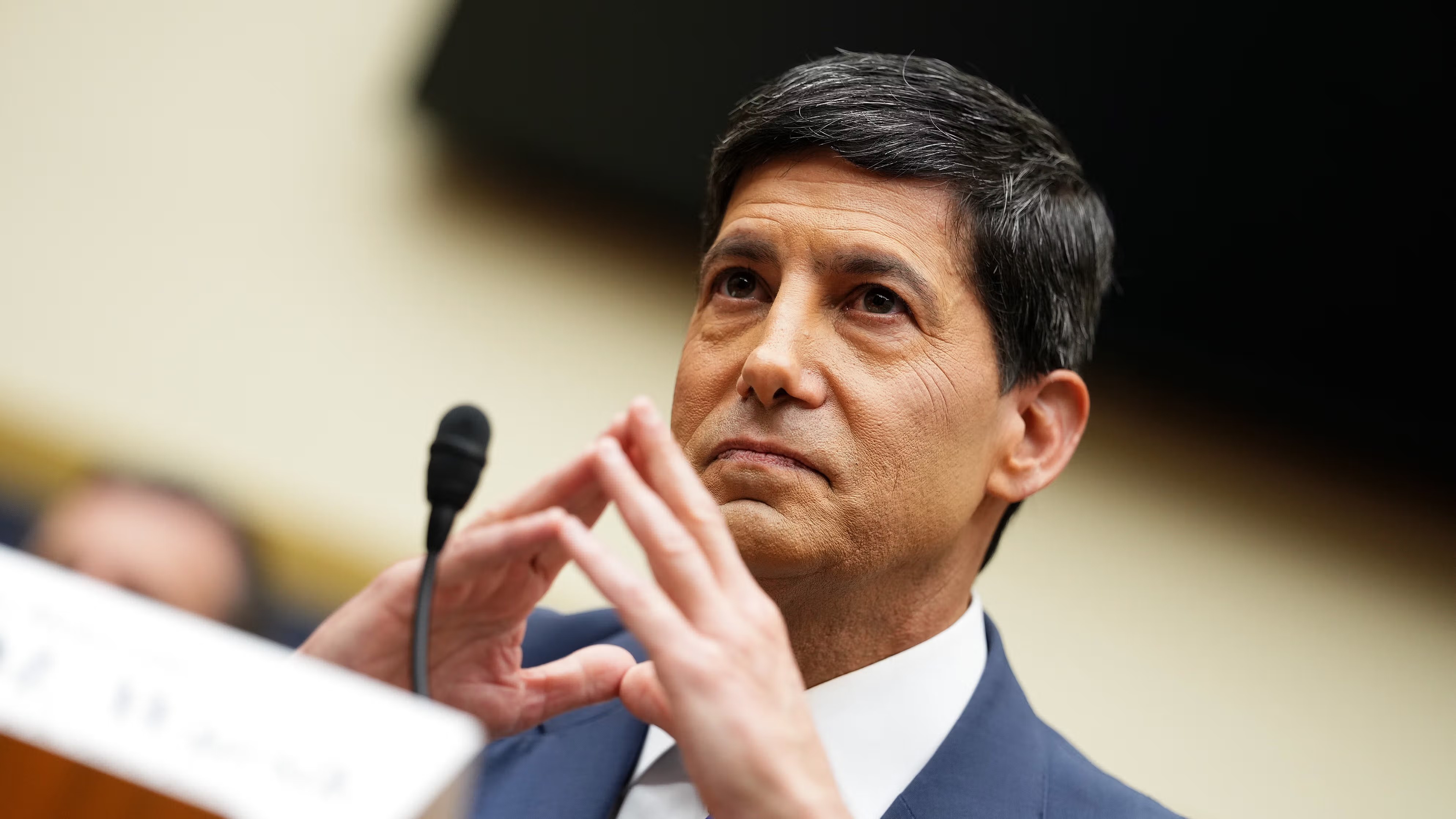
The article also mentions that hedge fund Citadel expects the Federal Reserve to potentially raise interest rates. Their reasoning is that such action could mean the Fed is no longer relying on forward guidance to manage market expectations. The report suggests this aligns with Chairman Kevin Warsh's policy preferences.
US Treasury yields have already risen.
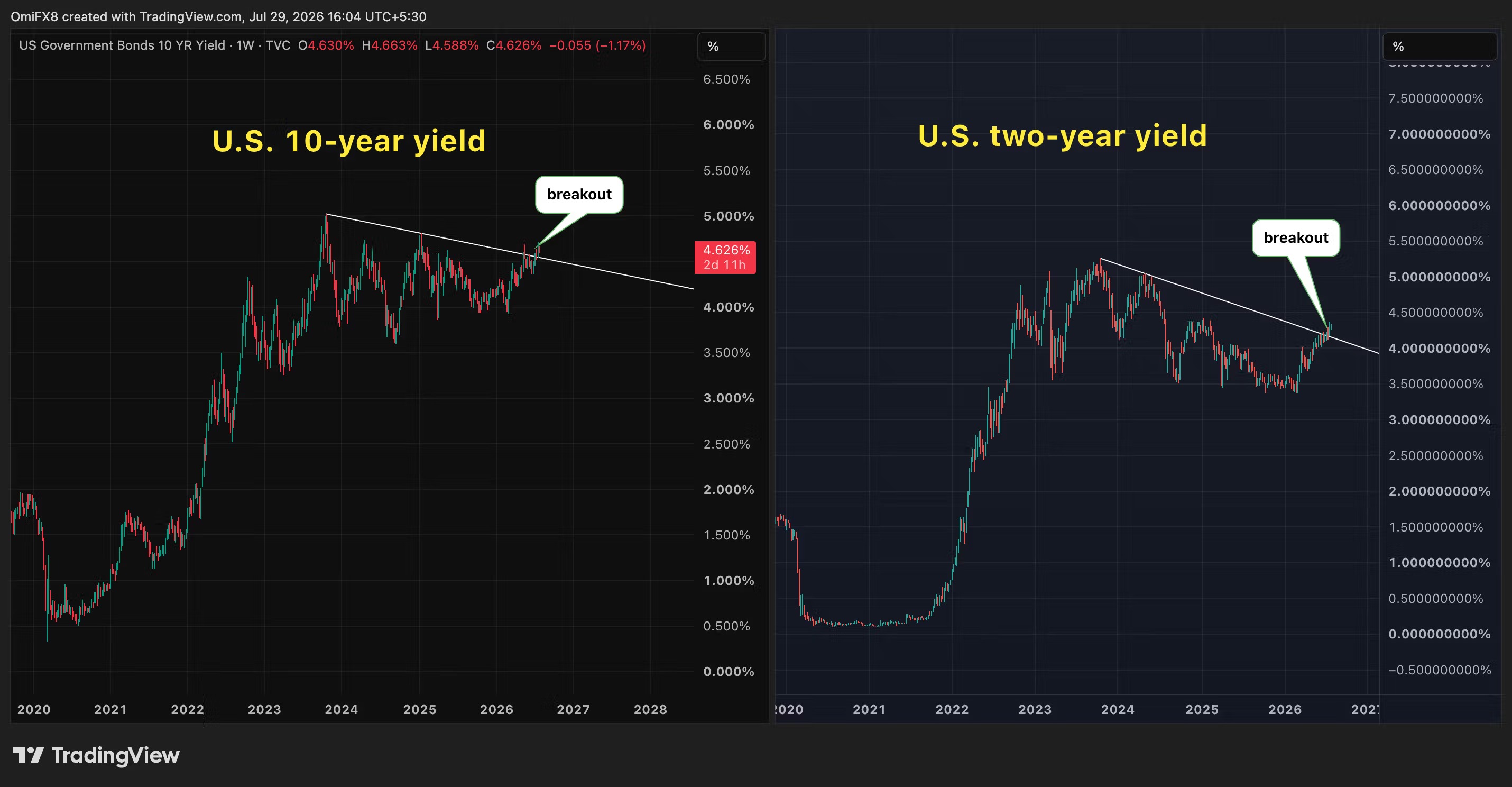
The article states that the yields on both the 10-year and 2-year US Treasury bonds have broken through the trend lines from their previous declines. If this trend continues, it means that the market's pricing in rising interest rates is strengthening again.
For Bitcoin, rising yields typically suppress the valuation of risk assets. This is because as risk-free returns increase, some funds will reassess their allocation to highly volatile assets. If the Federal Reserve releases a more hawkish signal, bond yields could rise further, increasing the pressure on crypto assets.
- The 10-year Treasury yield is considered a benchmark for long-term financing costs.
- The 2-year US Treasury yield is more sensitive to short-term interest rate expectations.
- When both rise simultaneously, it often reinforces expectations of tightening.
Oil price rebound fuels inflation concerns
The report points out that WTI crude oil has risen nearly 20% this month, while negotiations between the US and Iran have yet to make progress. The rebound in oil prices could reignite inflationary pressures and reduce the Federal Reserve's room for dovish signals.
The article argues that if the Federal Reserve chooses to raise interest rates or continues to emphasize inflation risks in its press conferences, risk assets such as Bitcoin may come under pressure. Conversely, if policymakers downplay the inflationary impact of the oil price rebound, the market may interpret this as a dovish signal, thereby driving a short-term rise in crypto assets.

However, this article is essentially a summary of pre-market opinions from foreign media, highlighting that the interest rate decision, yield changes, and oil price movements are simultaneously influencing market expectations. For Bitcoin, the true trading direction still depends on the decision's outcome and the policy signals released at the chairman's press conference.