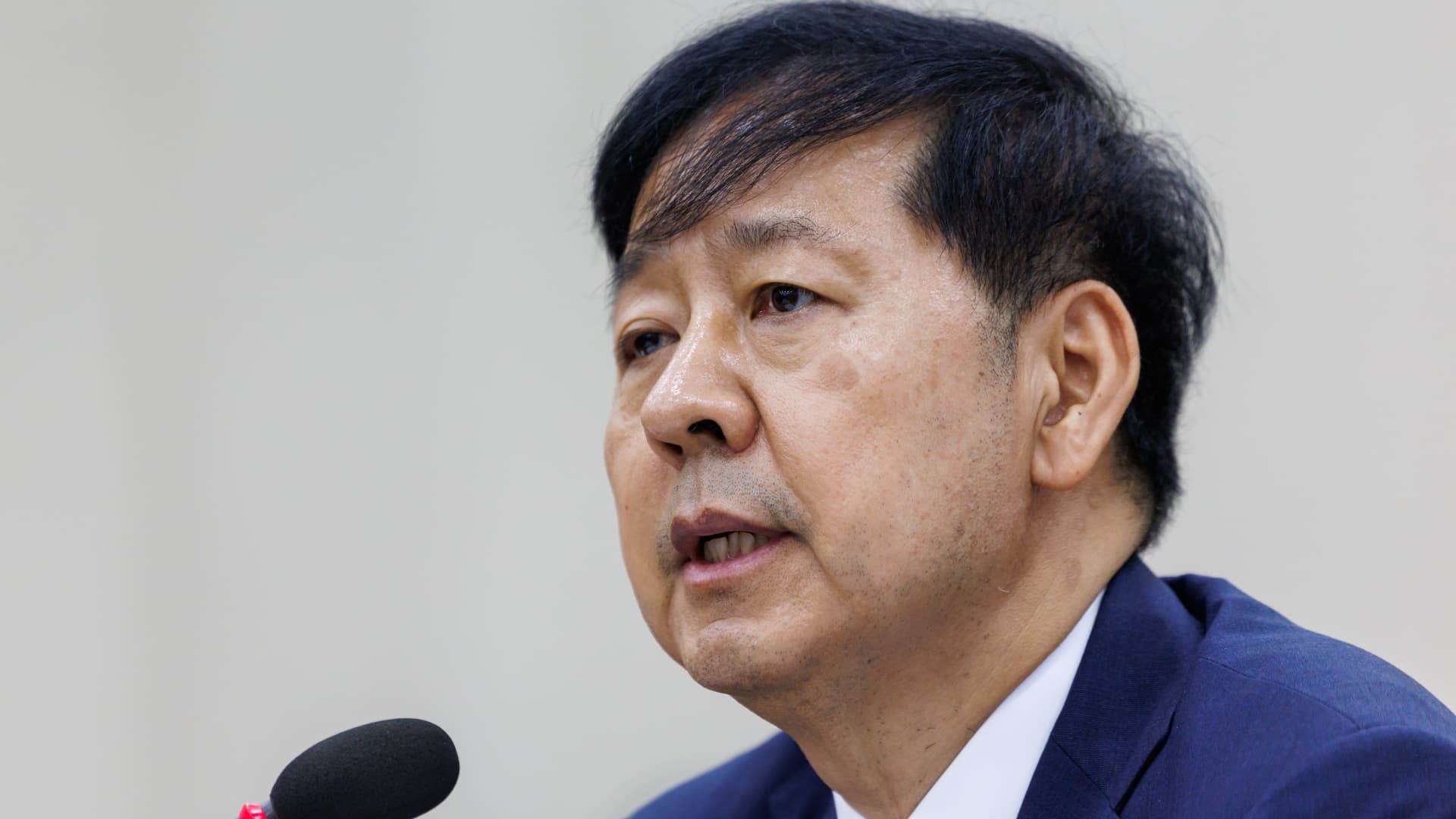


The South Korean government stated that it is not yet time to activate the stock market stabilization fund. Kim Yong-beom, Chief of Staff for Policy at the Blue House, said the government is closely monitoring the market, and the more important task at present is to determine the structural factors behind this decline.
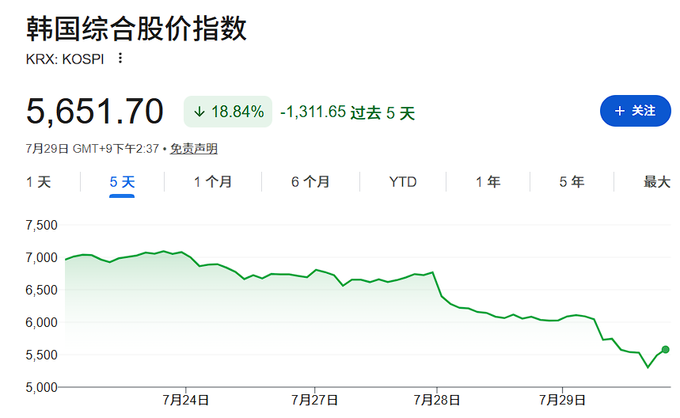
The market is still searching for equilibrium.
Kim Yong-beom, speaking in São Paulo, Brazil, said that this downturn is more like a reassessment of market expectations for AI and semiconductors, rather than a crisis requiring immediate policy intervention. He also mentioned that factors such as the expansion of production capacity by Chinese memory chip companies and whether AI investments can be converted into revenue are amplifying market volatility.
High volatility stems from structural problems
He attributed the high volatility in the South Korean stock market to active retail trading, the large scale of derivatives, and the excessive weighting of Samsung Electronics and SK Hynix. Kim Yong-beom said that market volatility cannot be entirely attributed to leveraged ETFs, and the relevant regulations will continue to be reviewed.
Retail investor rebound heats up rapidly
This statement quickly sparked discontent among South Korean investors. Critics argued that the government, which had previously made high-profile pronouncements about targets like the "KOSPI 5000," was now emphasizing self-regulation in the face of a market crash, effectively shifting responsibility back to the market. As losses widened, the debate over whether the government should intervene to stabilize the market continued.