

Michael Burry's latest disclosures show that he is increasing his bearish bets on AI concept stocks, with targets including NVIDIA, Oracle, Palantir, and Nebius. These positions are not focused on a single company but cover multiple AI industry chain segments such as chips, cloud infrastructure, and data analysis.
Short positions account for more than 20%
The company disclosed that, excluding put options, its short stock positions have accounted for more than 21% of the total size of the investment portfolio. This indicates that his doubts regarding the main trading strategy of AI have shifted from a single judgment to a more systematic position allocation.
From the disclosed content, Burry does not deny the AI requirement itself, nor does he deny the operational performance of the related companies. What he is more concerned about is whether the current market price has already taken in too much long-term growth expectation in advance.
- Short-selling targets include NVIDIA, Oracle, Palantir, Nebius.
- Short stock positions account for more than 21% of the portfolio.
- Position coverage covers AI chips, cloud, and software components.
Recognize fundamentals but question valuations
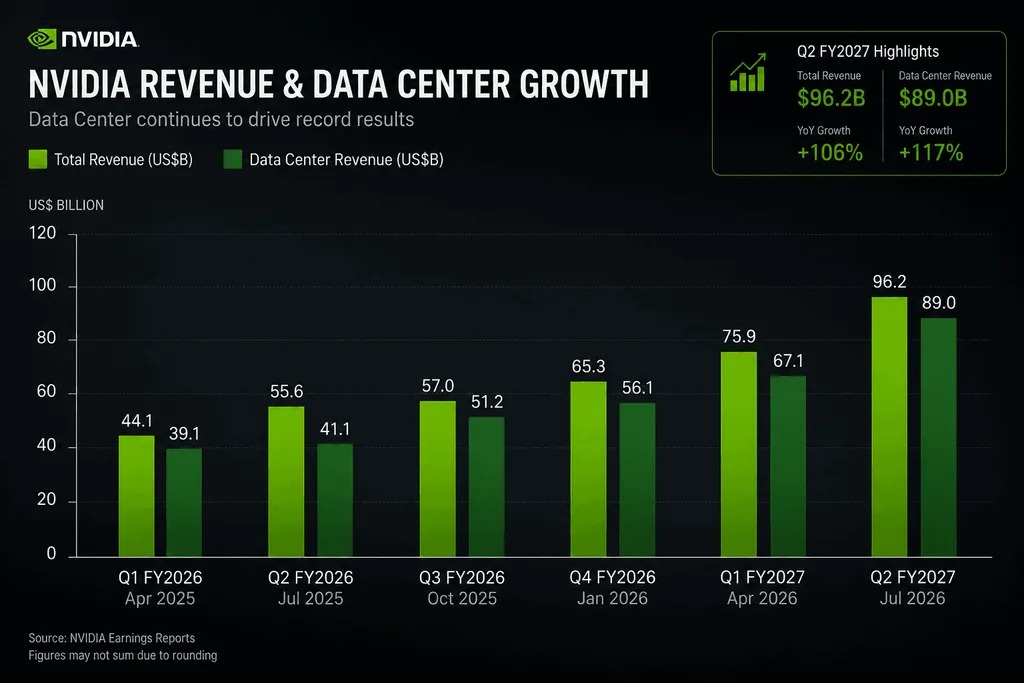
In regards to the NVIDIA transaction, Burry's attitude is not purely bearish. According to him, NVIDIA's growth performance and relatively low price-earnings ratio seem to be "obviously undervalued" when judged by traditional indicators.

But his core judgment is that the current market pricing is based on the premise that NVIDIA's advantages will last for a relatively long time. If competition intensifies, or if the infrastructure investment by AI slows down, this valuation premium may become difficult to maintain. In other words, what he questions is not the company's current operations, but how long this strong performance can continue.
Buying call options as a hedge
While expanding his short positions, Burry also bought call options on NVIDIA that expire in December with an exercise price in the range of over $200. He made it clear that these positions are hedging tools, and not a shift to a bullish stance.
Revelations show that these call options account for approximately 3.5% to 4% of their investment portfolio. Compared to more than 20% of their short stock positions, this proportion is significantly smaller. The main purpose is to protect against a rapid rise in NVIDIA's stock price after events such as financial reports, thereby reducing the risk associated with their short positions.
- NVIDIA's December call options account for approximately 3.5% to 4% of the portfolio.
- Burry defines it as hedging, rather than a bullish bet.
AI Sector Valuation Comes Under Fresh Attention
The signal conveyed by this set of position changes is that Burry believes that the market may be paying an excessively high price for the long-term prosperity of AI. Since the short-selling targets include not only NVIDIA but also Oracle, Palantir, and Nebius, this judgment extends to a broader range of infrastructure and software sectors represented by AI.
The focus of the article is not on whether the AI technology has commercial value, but rather whether the prices of related stocks have already overreacted to future growth. For the market, such adjustments in the positions of high-profile investors often trigger renewed discussions about the sustainability of valuations in the AI sector.