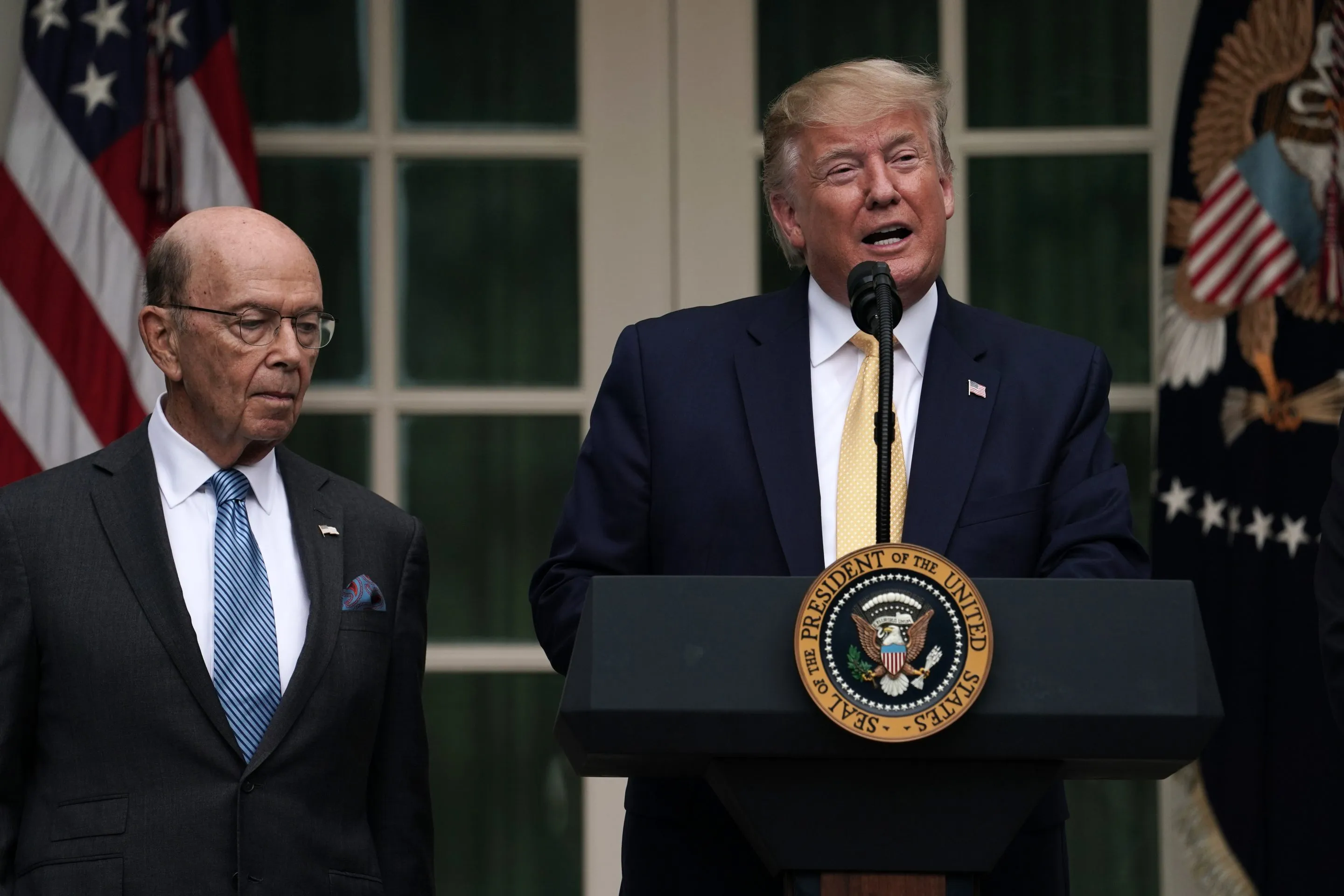


Recent trade tensions between the United States and Canada have escalated again. After bilateral negotiations broke down over the weekend, both sides began to impose tariffs worth billions of dollars on each other. Wilbur Ross, who participated in the renegotiations of US-Canada trade during Trump's first term, stated that it is now even more difficult to make progress in the negotiations, with one important reason being that Canadian society's attitude towards the United States has clearly turned colder.
Shift in sentiment within Canada
In an interview with Fortune, Ross stated that the current difficulties lie not only in the specific terms but also in the changes in Canada's domestic political environment. He believes that Canada's overall perception of the United States has deteriorated, which will narrow the room for negotiation. Even if the United States proposes new solutions, the Canadian political opposition to making concessions may still gain political benefits.
Recent incidents have further exacerbated this sentiment. Canadian media previously revealed that in a recording purportedly from a private setting with US Vice President Pence, he mocked Canadian Prime Minister Justin Trudeau. Trump himself has also referred to Canada as "the 51st state of the United States" on multiple occasions and proposed renaming Lake Ontario as "Lake America."
The disputes still focus on old issues.
In Ross's view, this round of Sino-US and US-Canada disagreements is not entirely about new issues; the core issues still revolve around several long-standing disputes: defense spending, dairy tariffs, and the problem of transshipping goods through third countries or neighboring nations to avoid US tariffs.
He stated that the Trump administration hopes to reach new arrangements around these issues, but it is not certain that the White House will take further proactive steps to push forward negotiations. Ross also mentioned that the proposal previously made by the United States to Canada was "surprisingly favorable."
Inflation or a push to return to negotiations
Canadian Prime Minister Justin Trudeau offered a different perspective. According to him, the Canadian team has maintained a pragmatic, patient approach throughout the negotiations and has seized every possible opportunity to facilitate an agreement. Trudeau also criticized the United States for "asking for too much and giving too little."
Ross judges that if the two sides return to the negotiating table in the future, the driving force is more likely to come from Canada first, rather than the United States. However, price pressures may force both countries to re-evaluate their current confrontation. The report mentions that both the United States and Canada are facing high inflation, and the Middle East conflict, which has put pressure on oil supply, is also one of the underlying factors.
Additional information:Reports show that in 2025, the bilateral trade volume between the United States and Canada was approximately 872.3 billion US dollars. For two economically closely linked neighboring countries, the escalation of tariffs not only affects businesses and supply chains but may also continue to drive up consumer costs.