

A latest report from the U.S. Government Accountability Office ( GAO ) indicates that the U.S. Department of Defense is facing a backlog of maintenance costs amounting to approximately $285 billion at over 700,000 facilities around the world. The issue is not stemming from a single project, but rather is the result of a combination of long-term insufficient funding, a shortage of personnel, and low priorities for maintenance.
At the time of this report's release, U.S. defense spending remained at a high level. The article cites analysts who argue that the continuous expansion of the budget has not been accompanied by corresponding improvements in facility maintenance, but rather has exposed issues with uneven distribution of funds. For the military, this not only affects the operation of bases but also directly impacts the living conditions of personnel and the execution of their tasks.
The report highlights long-term issues of disrepair.
According to GAO, the Department of Defense's real estate assets are spread across the globe, with some facilities having a history of over 50 years, dating back even to the Cold War era. By the fiscal year 2025, the backlog of related maintenance costs had reached $285 billion.
The report mentions that some military camps have been in a state of long-term neglect, with issues such as mold and damaged fire protection systems, which affect the safety of the personnel living there. Some parking areas at Minot Air Force Base in North Dakota have been in disrepair since 2018. At Camp Pendleton Marine Base in California, insufficient space on certain areas also limits vehicle maintenance.
GAO believes that this situation has posed a risk to task execution and the quality of life of personnel.
Insufficient maintenance budget and staffing at the same time
GAO attributes the backlog to maintenance projects being placed at a lower priority for a long time. The report indicates that the funds requested for facility maintenance by the Army, Navy, and Air Force have only reached about 80% of the recommended levels. GAO All 8 maintenance offices contacted stated that since the 2021 fiscal year, the funds obtained have not reached the 90% target set by the Department of Defense.
In the meantime, the military has continued to invest in the construction of new facilities in recent years. GAO Previous reports indicated that over the past five years, the Pentagon has spent an average of $14.6 billion each year on building new military facilities. Several military officials stated that although many construction and maintenance projects were approved, they ultimately did not receive funding.
The shortage of manpower has further exacerbated the problem. At the 10 joint bases that GAO oversees, the vacancy rate for facility management positions ranged from 68% to 97% between the fiscal years 2013 and 2023. Due to the difficulty in recruiting and retaining skilled workers, the military often turns to external contractors, which usually results in higher costs.
- About $285 billion in maintenance backlogs
- Annual average investment in new facilities is $14.6 billion.
- Vacancy rates for some positions at bases range from 68% to 97%.
War and border deployments continue to drive up costs
The report mentions that maintenance pressures will further increase during periods of conflict. American media has previously disclosed that Iranian missile and drone attacks have resulted in billions of dollars in repair costs for U.S. intelligence bases and surveillance equipment in the Middle East. A May investigation by The Washington Post stated that the war has caused damage to at least 228 facilities or equipment at 15 military sites.
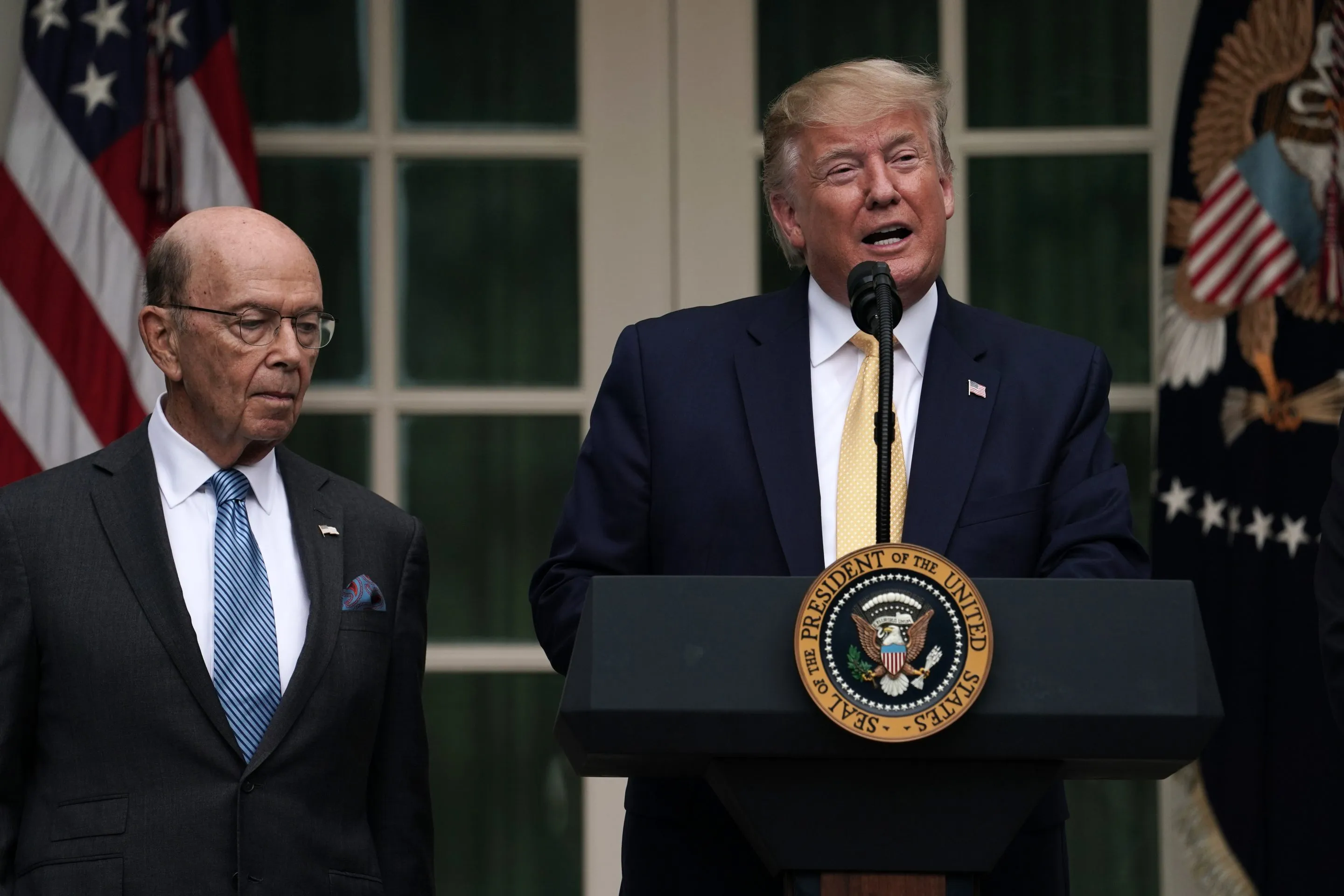
In addition, the Trump administration's increased military deployment along the US-Mexico border is also seen as diverting funds that could have been used for construction and maintenance. A report in July of this year stated that this deployment cost the military $2.64 billion, with some of the funding coming from construction projects, facility maintenance, and support accounts for troop mobilization. GAO
The article cites the view of Linda Bilmes, a lecturer in public policy at Harvard University's Kennedy School, stating that what the U.S. military is currently facing is not a depletion of resources, but rather a long-term mismatch of funds against the backdrop of budget expansion. She believes that this issue has persisted for many years and is difficult to reverse in the short term.