

Tokenized gold is further entering the crypto lending market. Aave Previously, the $25 million debt limit set for XAUT was fully utilized, and the additional quota was also absorbed within 24 hours. Meanwhile, Arch Lending has begun accepting PAXG and XAUT as loan collateral, with a maximum loan-to-value ratio of 75%.
This means that users holding tokenized gold are no longer just passively tracking the gold price; they also begin to use such assets to obtain liquidity on the blockchain. Without selling their gold positions, borrowers can obtain cash or stablecoins by mortgaging their tokens.
Aave has experienced concentrated lending.
According to the previous assessment of Chaos Labs, in January of this year, in the XAUT market, Aave reached its $25 million debt ceiling, indicating that there is indeed a demand for borrowing using tokenized gold in the market. However, at that time, the market was also quite concentrated, with the largest single position accounting for over 75% of all XAUT collateralized debts.
Aave adopts a more cautious parameter setting compared to XAUT. Under initial conditions, users can lend up to 70% of the value of their collateral, with a liquidation line set at 75%. Meanwhile, XAUT is placed within isolation and mode and can only be used as collateral; it is not possible to lend out assets with higher volatility.
The report mentions that on Aave's recent Ethereum v3 reserve page, it is shown that there is approximately $70 million XAUT deposited on the platform, but currently, there are no outstanding debts supported by XAUT. This means that the data from January is more suitable to be considered a historical demand signal, rather than a reflection of the current lending balance.
Arch Two new gold token mortgage loans added
Arch Lending indicates that it is now possible to issue loans using PAXG and XAUT as collateral, with a maximum loan amount of LTV which is 75%. The collateral tokens will be managed by Anchorage Digital.
The company stated that it will not re-pledge or lend the borrower's collateral to a third party for profit. Its website reveals that the relevant assets are stored in an isolated wallet under the identifier Anchorage. If the loan's health deteriorates, the platform will adopt a partial liquidation method, selling only the assets necessary to restore the position.
However, the supported assets currently displayed on the Arch public website are mainly BTC, ETH, and SOL. The highest LTV shown for existing loans is 60%. Therefore, information regarding PAXG, XAUT, and the 75% LTV comes from the company's latest product descriptions.
There are already some similar services on the market currently. Nexo indicates that eligible customers can borrow using PAXG or XAUT; YouHodler and CoinRabbit also offer PAXG related products. Ledn announced the launch of XAUT mortgage loans in June this year, but stated that the service will be available later in 2026.
Maintain a gold exposure, but the risks have not disappeared.
The appeal of tokenizing gold lies in the fact that users can obtain liquidity without having to sell their assets. Unlike selling, mortgaging to borrow does not immediately terminate one's gold holdings. Since the assets are already on the blockchain, users also do not need to deal with the transportation of physical gold or additional storage arrangements.
Currently, the combined market value of the two major gold tokens is approximately $5.2 billion. Among them, on August 28th, the official website of Tether indicated that the market value of XAUT was around $3.27 billion; data from CoinGecko shows that the market value of PAXG is about $1.93 billion. Both are pegged to physical gold, but their issuance and legal structures are different.
The report also reminds that tokenization does not eliminate leverage risks. Borrowers still have to face risks related to interest, liquidation, custody, and the issuer. Even though the price of gold usually fluctuates less than that of Bitcoin, the related tokens are still affected by redemption terms, smart contracts, and custody arrangements.
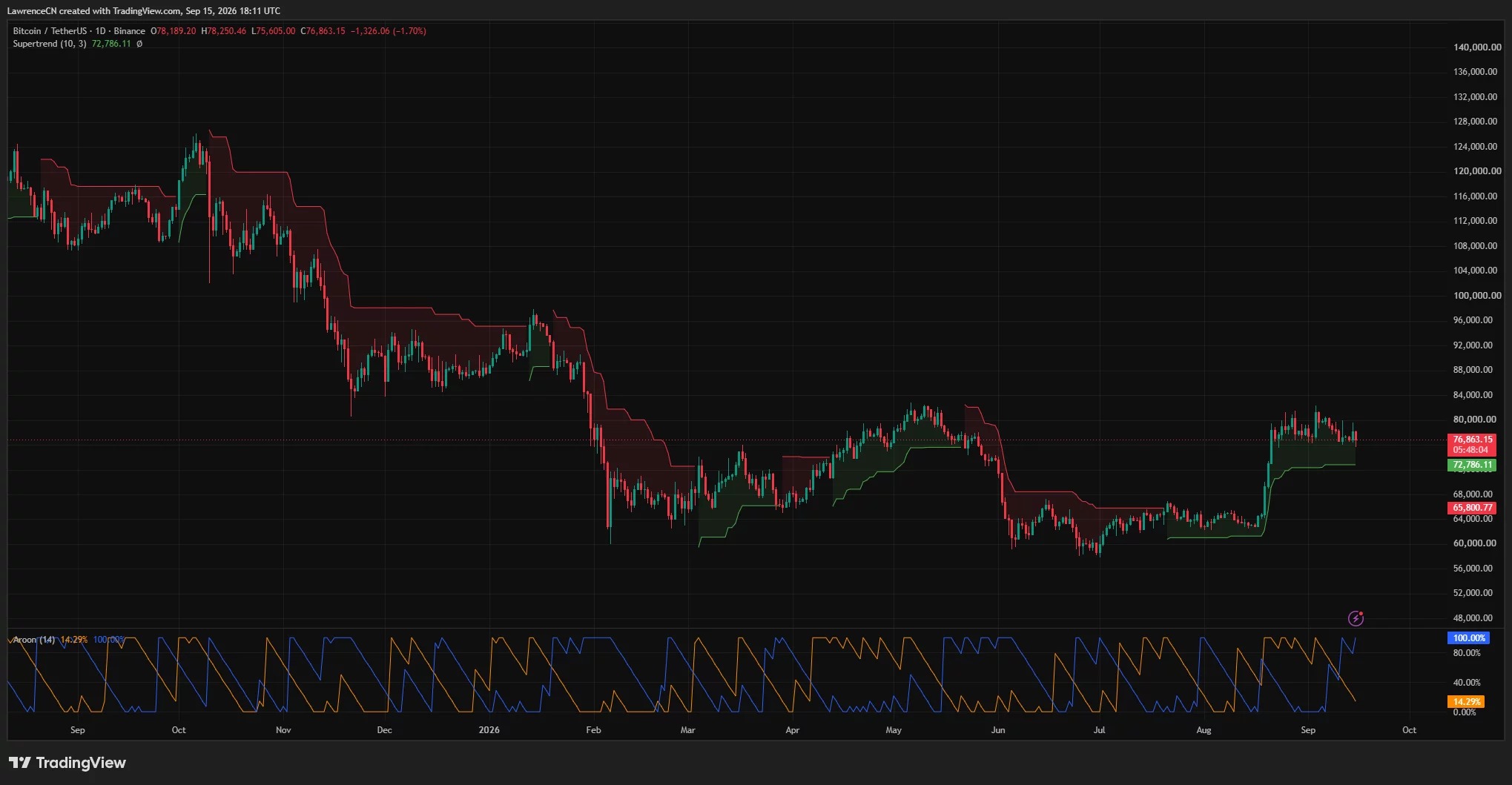
From the perspective of collateral attributes, Bitcoin and tokenized gold do not have a substitutive relationship. Bitcoin has more mature liquidity in the crypto market, while gold tokens provide another option for borrowers who wish to reduce their exposure to price volatility. As more platforms launch related products, tokenized gold is transitioning from being merely a tool for price mapping to becoming collateral assets that can support native crypto liquidity.