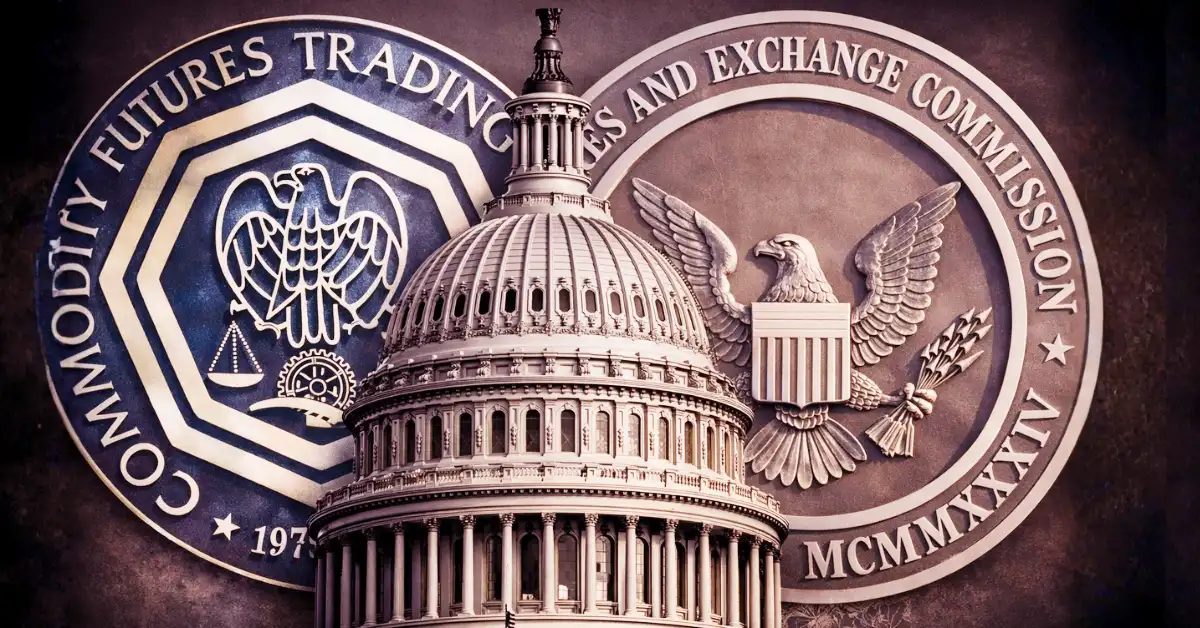


The U.S. Securities and Exchange Commission (SEC) has proposed a rule amendment to include debt instruments issued by the European Union in the exempt securities list of Section 3a12-8 of the Securities Exchange Act (Rule). If the adjustment is approved, futures contracts linked to such debt will be more clearly under the exclusive jurisdiction of the U.S. Commodity Futures Trading Commission (CFTC).
Revisions focus on EU debt futures
This proposal was announced on August 28th, with the aim of addressing a discrepancy in the current regulations. According to SEC, sovereign debt issued by EU member states has already been included in the relevant arrangements, but debt issued at the EU level has not received the same treatment.
The proposed revision will enable EU debt to be subject to the same regulatory treatment as the debt of EU member states in related futures transactions. However, the scope of application is limited to the marketing and trading of futures contracts and does not involve the direct issuance, sale, or offer of EU debt itself.
Regulatory division of labor will be clearer.
This means that EU debt products at the spot level will continue to be subject to U.S. federal securities laws and will not be entirely moved out of the SEC regulatory framework as a result of this revision.
SEC indicates that after incorporating EU debt into Rule 3a12-8, the regulatory jurisdiction over related futures contracts will become clearer. Futures products linked to such debt will fall under the exclusive jurisdiction of CFTC at that time.
SEC The chairman Paul S stated that the current rules differ in how they treat the debts of EU member states and those of the EU itself, which can easily cause unnecessary confusion in the market. He described this adjustment as a concrete implementation of SEC and CFTC in terms of regulatory coordination.
Entering a 60-day public comment period
It is also emphasized that this proposal is a targeted revision and will not alter any other parts of Rule 3a12-8.
The proposal will be published in the Federal Register, after which it will officially enter a public comment period. Market participants, financial institutions, and other relevant parties will have 60 days to submit their comments, after which SEC will decide whether to proceed with the final revision.
At present, this proposal does not immediately change the current rules. Only after a public consultation process is completed and finally adopted by SEC, will the relevant adjustments officially take effect.