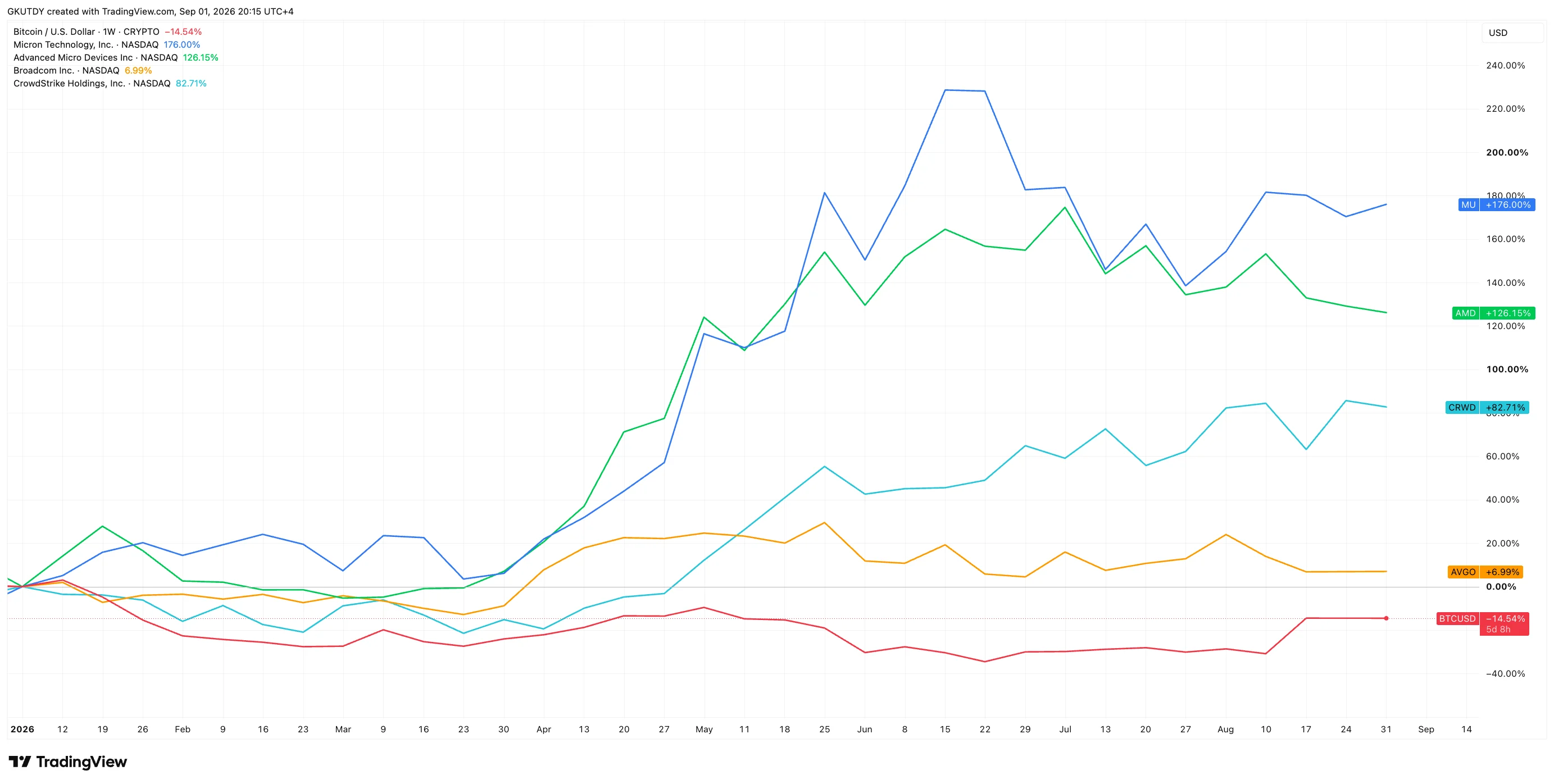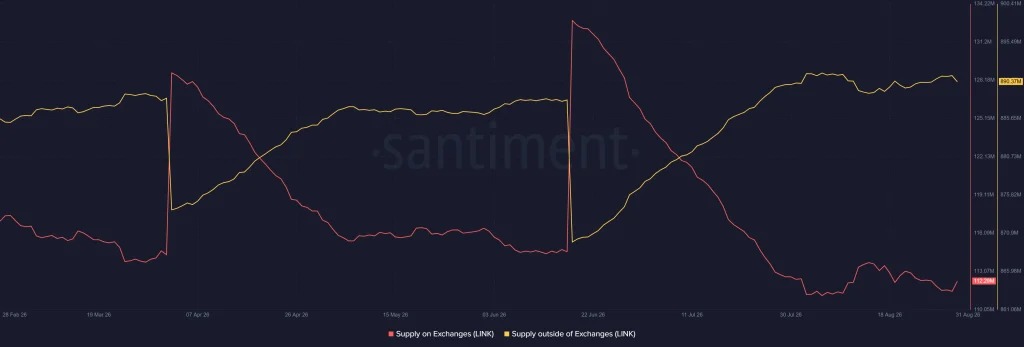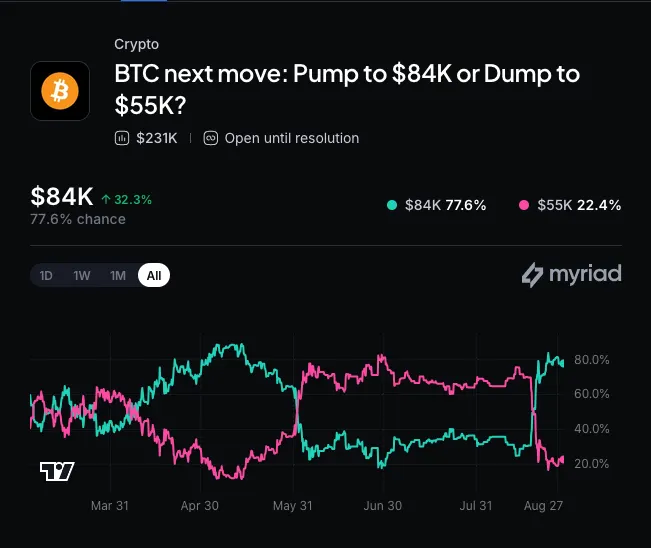


Foreign media believes that STX surged by over 125% within a week at the end of August, and it was not just a follow-up to the market rebound. The article states that in addition to Bitcoin itself strengthening, developments surrounding Bitcoin staking, institutional participation, and the Bitcoin yield market have also prompted a re-evaluation of the demand prospects for STX.
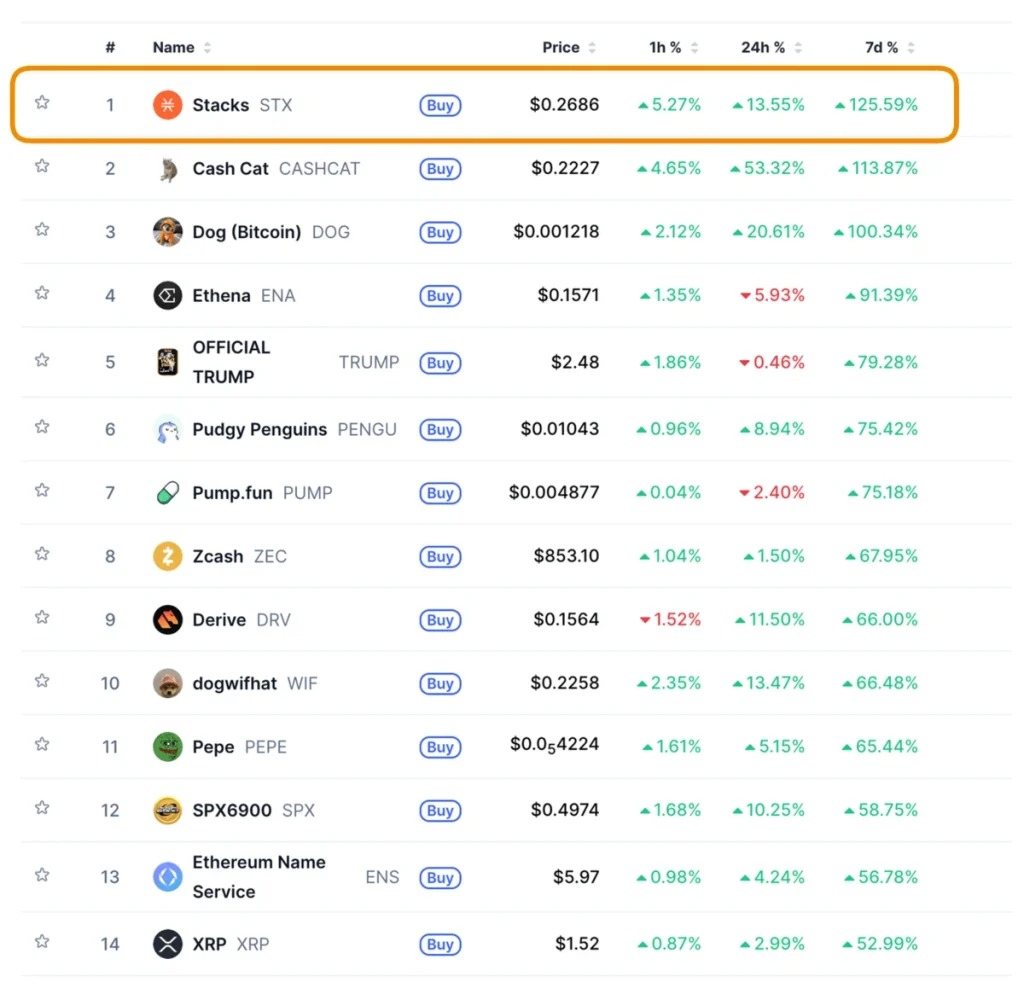
STX is regarded as a highly resilient Bitcoin asset
It is mentioned in the text that STX is often regarded as a "highly resilient" Bitcoin-related asset. When Bitcoin sentiment improves, STX tends to rise even faster; however, during market downturns, its volatility can also be greater.
On one hand, the reason is that the market capitalization and liquidity of STX are lower than those of Bitcoin, making its price more susceptible to manipulation; on the other hand, Stacks is inherently part of the Bitcoin ecosystem, and the market regards it as one of the tokens that will carry on the financial activities on the Bitcoin chain.
The article states that during this round of gains in August, both of these factors came into play simultaneously: the Bitcoin market environment improved, and coupled with new catalysts within the Stacks ecosystem, it propelled STX to outperform Bitcoin.
Bitcoin staking brings expected additional demand
Foreign media believes that the more critical long-term factor is not just "following the rise of Bitcoin," but whether STX can develop into an independent demand. The article regards Bitcoin staking as the core of this logic.
According to the description in the text, this mechanism aims to allow Bitcoin holders to earn profits denominated in BTC without leaving the Bitcoin ecosystem and while retaining control of their private keys. When participating, users lock in BTC and are also required to hold STX as a capacity asset.
According to the current design, the ratio of STX is approximately 5% of the value of the bound BTC. The article cites an example that if there is 1 billion US dollars of BTC entering this mechanism, it would require about 50 million US dollars worth of STX capacity based on the current ratio. Although this does not necessarily equate to a buy order of the same scale in the secondary market, it will directly link the participation scale of BTC with the demand for STX.
The article also mentions that the initial target annualized return for this product is about 3%, settled in BTC. This is also what Stacks attempts to distinguish itself from other Bitcoin return schemes: by emphasizing BTC pricing, self-management, and not imposing protocol-level penalties on the principal of BTC.
Simultaneous advancement of institutional access and ecological applications
The article states that as the holdings of spot Bitcoin ETF and those held by corporate treasuries and funds BTC increase, the market has begun to pay attention to whether these Bitcoins will shift from passive holding to income-generating investments. However, for institutions to truly engage in on-chain strategies, they usually require additional support such as custody, trading control, wallet policies, and compliance processes.
In this context, Stacks is working to complement the infrastructure. The text mentions that Fordefi already supports infrastructure related to Bitcoin staking, and BitGo also supports sBTC. Such integrations may not immediately bring in capital inflows, but they will narrow the gap between "technological availability" and "institutional accessibility."
The article also points out that UTXO Management has allocated some of BTC to Bitcoin staking, which can be seen as a signal that real funds have begun to test this market.
In addition to staking, lending, decentralized transactions, and stablecoin applications within the Stacks ecosystem are also considered another layer of support for STX. The text lists that Zest Protocol provides a lending market, Bitflow offers DEX and liquidity infrastructure, Hermetica provides income products centered around BTC, while USDCx complements stablecoin trading and lending scenarios.
Foreign media believes that if more BTC enters the Stacks ecosystem and continues to flow into the lending, trading, and stablecoin markets, the demand for STX may come from both ends: one is the capacity requirement for Bitcoin staking, and the other is the network usage demand resulting from on-chain transactions and contract interactions.