

Foreign media reports that the commonly referred to "Red September" in the Bitcoin market is not merely an emotional label. According to CoinGlass, since 2013, Bitcoin has experienced declines in 8 out of 13 full September months, with an average decline of 2.97% and a median decline of 2.44%. The article argues that this indicates that the weakness in September is not solely a result of exceptional years.
Bitcoin has been relatively weak in history in September.
Among the monthly data listed in the text, September was the month with the worst average and median returns for Bitcoin. In contrast, October had the best long-term performance, with an average return of about 19.92% and a median return of 14.71%, which is also the reason why the term “Uptober” is often mentioned in the market.
The article also mentions that there was differentiation in the data for August. Although the average return was positive, the median was negative, indicating that August was not a strong month in most years; it was often a few years with significant increases that raised the overall average.
The same phenomenon occurs in the US stock market as well.
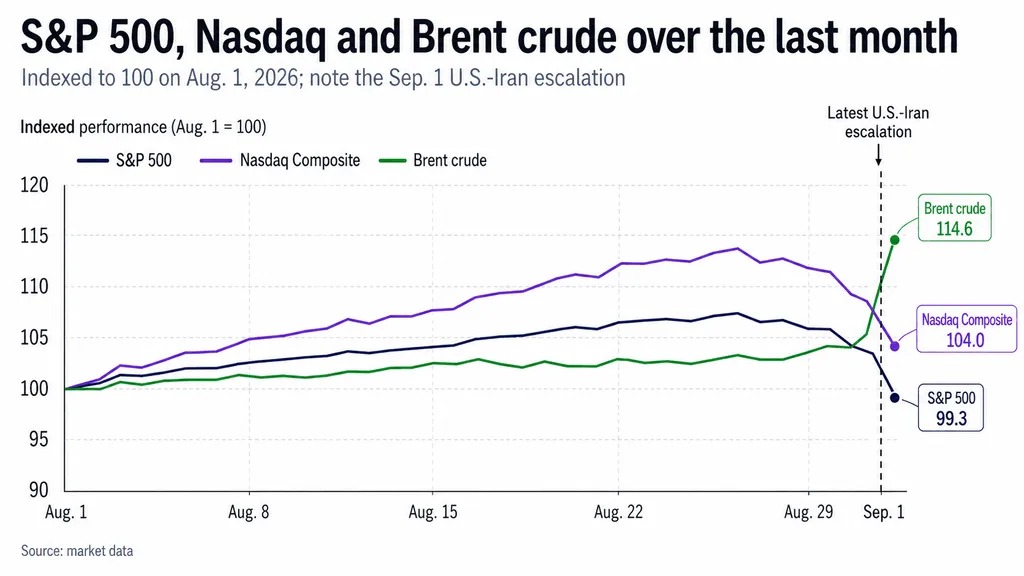
The article argues that this phenomenon is not unique to the crypto market. According to long-term statistics from Wall Street, the S&P 500 index has averaged a decline of about 0.6% in September since 1945. If we extend this period to 1928, the average decline is even higher.
There is no unified explanation for the reasons from the market. The article mentions several common theories, including mutual funds dealing with loss-making positions before the end of the fiscal year, institutions making concentrated risk adjustments after the summer season, and the Federal Reserve typically holding its interest rate meetings in mid-September, which can tend to amplify volatility.
The article also points out that 2026 is another year for mid-term elections in the United States. Looking back at the 10 mid-term election cycles since 1986, the lowest points for the U.S. stock market have on average occurred in early September, with a pullback from previous highs of nearly 17%. In the author's view, Bitcoin's trading characteristics in recent years are more similar to those of high-volatility tech stocks, and therefore it is also more susceptible to changes in similar risk preferences.
Last October, the liquidation exacerbated the downward trend.
The article review states that in September 2025, the trend of "Red September" was temporarily broken. Bitcoin ultimately rose by 5.16% that month, recording its third consecutive September with gains. During this period, the inflow of funds into ETF was considered one of the supporting factors.
However, this rebound did not last long. According to the text, on October 10, 2025, after Trump threatened to impose a 100% tariff on Chinese imported goods, the crypto market reacted first. Within 24 hours, approximately $19 billion in margin positions were liquidated, and around 1.6 million traders faced forced closings of their positions. Bitcoin fell from above $121,000 to below $102,000 on that day, and ended the month with a decline of 3.69%.
Pay attention to the Fed meeting in September
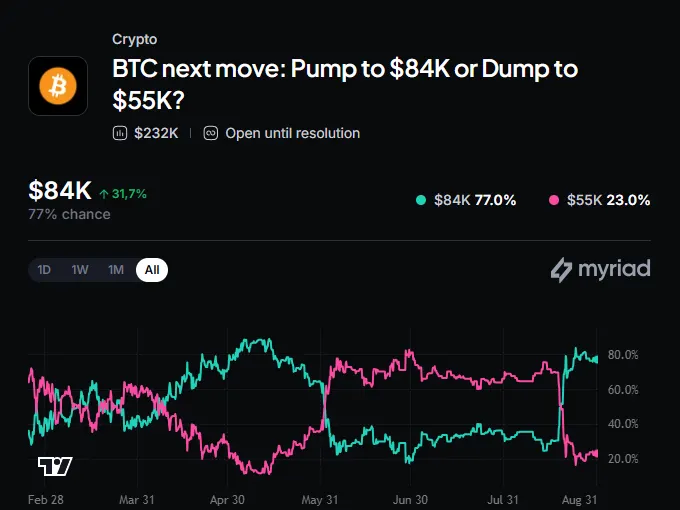
The article states that in early September 2026, Bitcoin was trading at around $77,500, with a cumulative increase of nearly 25% in August. However, in the short term, it encountered resistance around the range of $81,000 to $82,500, while the support range below that was approximately between $73,700 and $75,200.
The author believes that the key variable facing this round of market trends in September is still the macroeconomic environment. The article mentions that the Federal Reserve's meeting from September 15th to 16th will decide whether to raise interest rates for the first time since 2023, and the CME FedWatch tool indicates that market expectations for a rate hike in September have clearly increased. The article also notes that the yield on 30-year U.S. Treasury bonds rose to 5.28% at the end of August, indicating that the interest rate environment is still tightening.
The article also points out that gold and Bitcoin have both strengthened recently, reflecting that some funds are more concerned about inflation and the purchasing power of money, rather than just changes in traditional risk preferences. Overall, the author believes that "Red September" is more of a seasonal phenomenon that appears repeatedly in long-term data, rather than a simple market superstition.