

In the week ending September 4th, the total net inflow of spot Bitcoin and Ethereum in the United States was $1.2 billion. Among them, Bitcoin products attracted $986.7 million, accounting for over 80% of the total inflow; Ethereum products had a net inflow of $215.3 million, but this slowed down significantly compared to the previous week.
Bitcoin ETF approaches $1 billion
Farside Investors Data shows that US spot Bitcoin ETF recorded a net inflow of $986.7 million over the five trading days from August 31 to September 4, an increase of about 6.7% compared to the previous week's $924.5 million.
On a daily basis, the capital flow was strong at first, then weakened, and later rebounded. On August 31, there was a net inflow of $216.7 million, but on September 1 it turned into a net outflow of $236.5 million. Subsequently, in the following three trading days, there were net inflows of $101.1 million, $730.8 million, and $174.6 million respectively.
By product, BlackRock's Bitcoin fund attracted approximately $691.5 million in a week, ranking first among all products. ARKB had a net inflow of $137.7 million, while Fidelity products had a net inflow of $94.8 million. BITB of Bitwise attracted $41.7 million, whereas HODL of VanEck had a net outflow of about $33 million. Grayscale GBTC recorded a small net inflow of $18.6 million.
This result has also pushed the cumulative net inflow of spot Bitcoin in the United States ETF to approximately $55.69 billion.
Ethereum ETF inflows have clearly slowed down
During the same period, the net inflow of spot Ethereum in the United States was $215.3 million. Although there was still a net inflow, it decreased by about 73.6% compared to the previous week's $815.7 million.
Ethereum products saw a net inflow of $87.6 million on August 31, another $8.6 million on September 1, then turned into a net outflow of $48.2 million on September 2. Subsequently, on September 3 and September 4, there were net inflows of $141.4 million and $25.9 million respectively.
BlackRock’s ETHA had a net inflow of $136.4 million for the week, and its pledged Ethereum product ETHB had a net inflow of $81.8 million. Together, these two products attracted a total of $218.2 million in funds, which is slightly higher than the overall net inflow of the entire market, indicating that other competitors experienced outflows of capital. Fidelity’s FETH had a net inflow of only $4.7 million for the whole week; the high-fee ETHE had a net outflow of $37 million, while Ethereum Mini Trust had a net inflow of $17.1 million, which partially offset the former’s outflow.
As of the weekend, the cumulative net inflow of US spot Ethereum ETF was approximately $13.19 billion.
The strongest capital inflow on September 3rd
This round of ETF capital inflow occurred against the backdrop of overall caution among traditional U.S. funds. Reuters, citing LSEG Lipper data, reported that as of the week ending September 2, U.S. equity funds experienced a net outflow of $11.12 billion, with large-cap fund outflows amounting to $7.52 billion, while money market funds attracted $48.76 billion.
The report linked this cautious sentiment to rising U.S. Treasury yields, higher oil prices, and tensions in the Middle East. However, market sentiment improved on September 3. Federal Reserve governor Jerome Powell stated that if inflation continues to ease, he could support keeping interest rates unchanged. On that day, Bitcoin and Ethereum ETF attracted a total of about $872.2 million, marking the strongest single-day performance of the week.
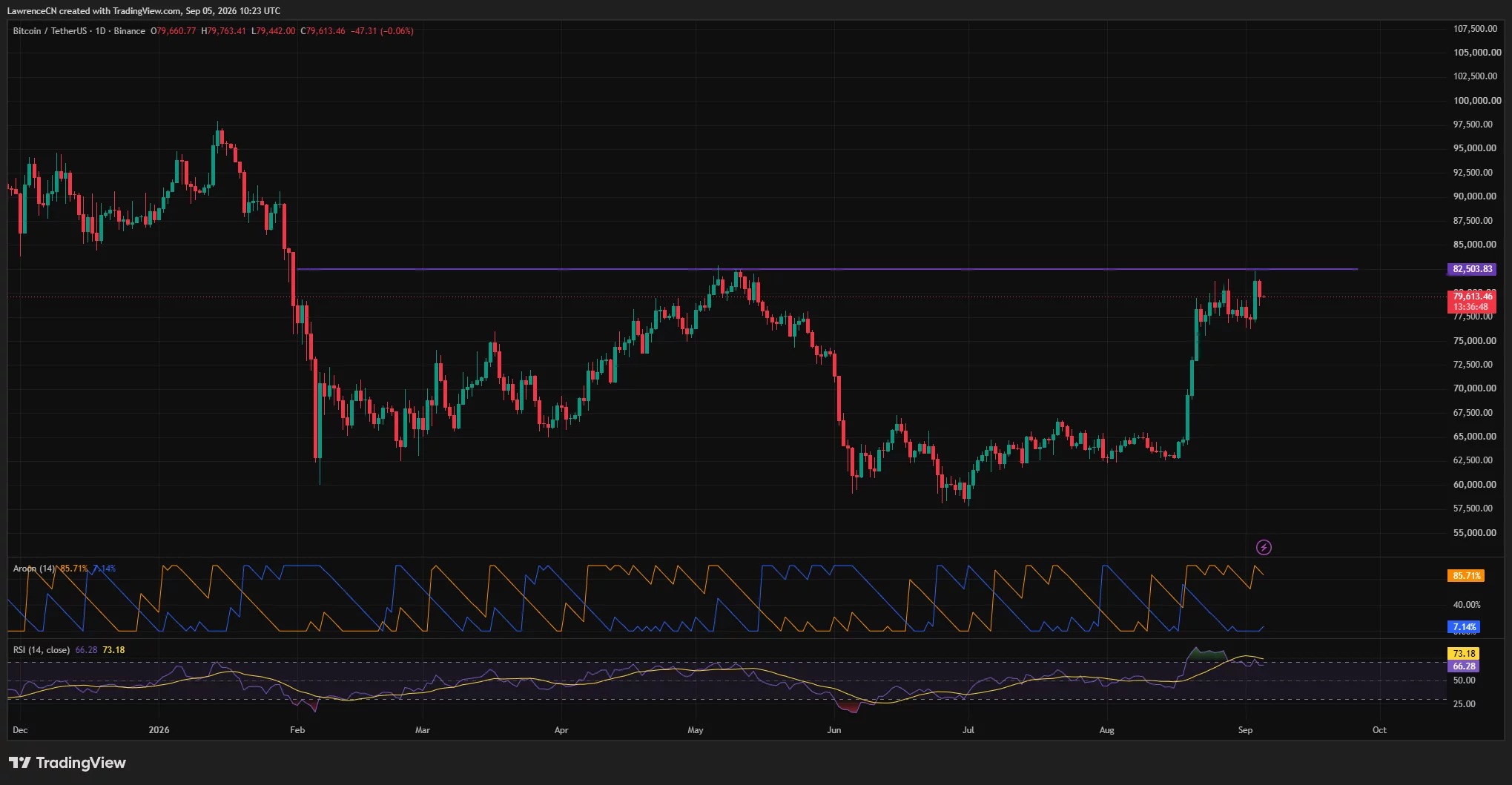
Prices also rebounded on the same day. Bitcoin briefly surpassed $81,000, and Ethereum returned to around $2,500. However, the market then fell back again, indicating that the capital inflow from ETF had not fully mitigated the short-term macroeconomic pressures. At the time of this report, Bitcoin was trading at around $79,664, down about 1.8% for the day; Ethereum was at around $2,458, down about 2.8%.
The market continues to closely monitor Fed data.
Next, the ETF demand will still be affected by changes in U.S. interest rate expectations. The U.S. Bureau of Labor Statistics announced that non-farm employment increased by 162,000 in August, with the unemployment rate remaining at 4.1%. The stronger employment data weakened some of the easing expectations brought about by Waller's speech.
The market will next focus on the U.S. CPI data released on September 11, as well as the Federal Reserve's interest rate decision on September 16. If inflation continues to be strong, it may suppress the prices of crypto assets and the subscription for ETF; if inflation further slows down, it could help stabilize or lower interest rate expectations.
Despite still being subject to short-term fluctuations, data from last week indicates that American investors continue to buy into the two major mainstream cryptocurrencies ETF. Among them, Bitcoin products have continued to show strength, while Ethereum products have maintained a net inflow despite a slowdown.