

Brent crude oil rose by more than 2% on Monday, following U.S. President Donald Trump's rejection of Iran's latest peace proposal, pushing oil prices back near the levels seen during the most severe supply shocks in the Middle East this month.
According to Reuters, Brent crude oil once rose to $106.92 per barrel, while WTI crude oil rose to $94.49 per barrel. Trump rejected Tehran's proposal to end the conflict and reopen the Strait of Hormuz, but talks between the US and Iran are expected to continue later this week.
Middle East exports are beginning to recover.
According to preliminary data cited by Reuters from Kpler, crude oil exports from major Middle Eastern oil-producing countries rebounded to around 12.8 million barrels per day in September, reaching the highest level since the conflict began in February.
As Saudi Arabia and the United Arab Emirates increase exports, it is also expected that transportation through the Strait of Hormuz will resume. Previously, improved supply in the Gulf region helped Brent crude oil prices fall after they surpassed $100.
But Brent has now returned above $106 again.
Why are oil prices still high?
The market is pricing in the risk of future disruptions.
Traders are not just calculating today's export volumes; they are also assessing the risk that these flows may be interrupted again.
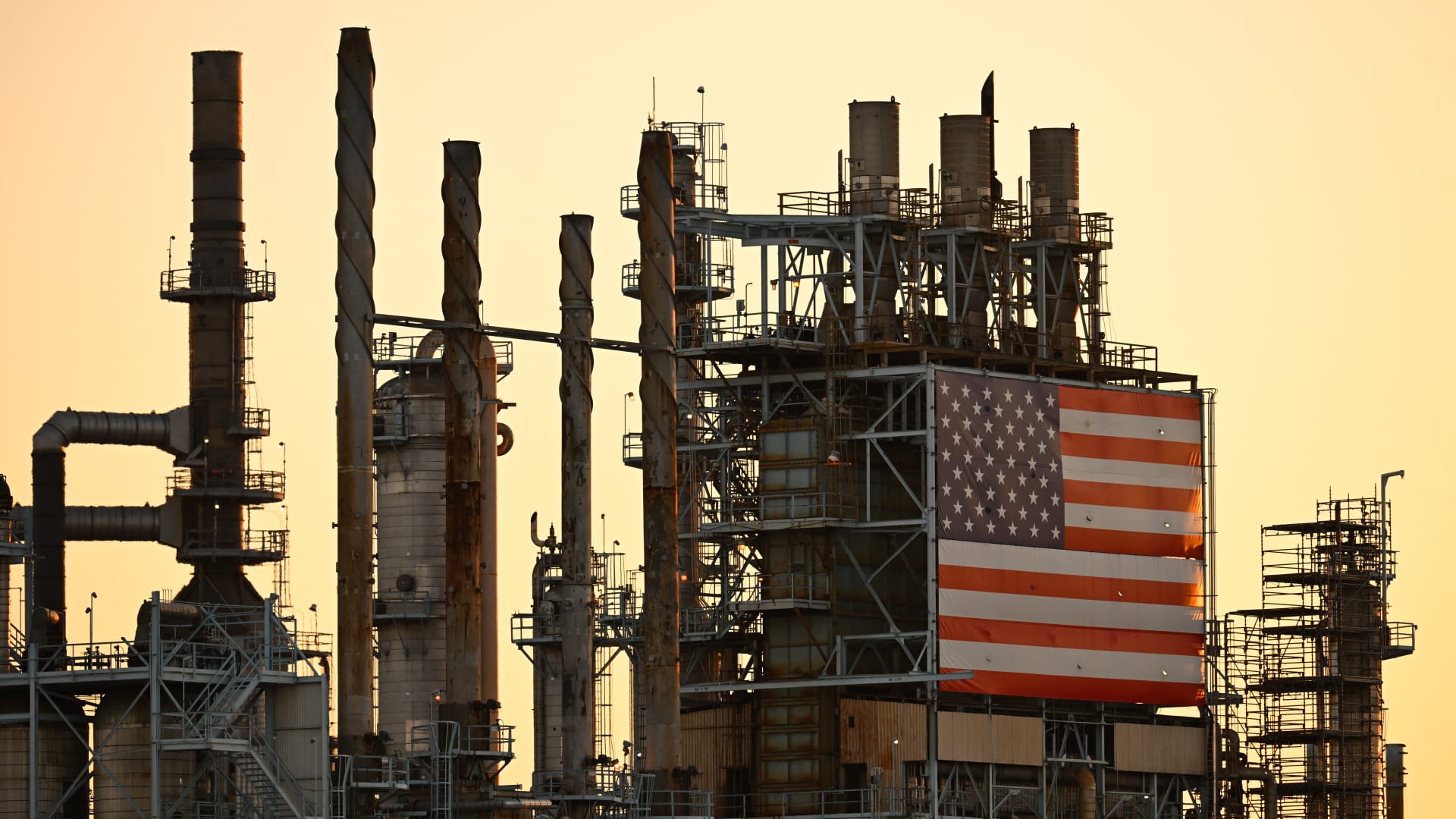
With the oil market still in a tight supply situation, any further issues with the infrastructure in or around the Strait of Hormuz could quickly lead to new shortages.
Saudi Arabia also faces risks, as the attacks have highlighted the vulnerability of infrastructure designed to bypass the Strait of Hormuz, including a key alternative export route.
The refined oil market is also tight. Despite some improvement in crude oil supply, diesel profit margins in Europe have recently reached record highs, further indicating a clear disconnect between the recovery of crude oil flows and persistently high energy prices.
Diplomacy is the main variable.
Therefore, what the market prices is a fragile recovery, not a return to normal.
More crude oil is flowing, but the Strait of Hormuz remains vulnerable, and the conflict between the United States and Iran has not yet been resolved.
If this week's talks can provide a credible path to the fuller reopening of the strait, some of the risk premiums may decline.
If diplomacy fails again, a price of $106 per barrel for Brent could reflect that the market is preparing for a longer period of supply tensions and geopolitical disruptions.