


This article explains how expenses, sources of income, and risk factors together determine one's true level of retirement readiness.
Cincinnati, September 28, 2026 / PRNewswire / -- What exactly does it mean to be truly ready for retirement? An article from HelloNation addresses this question by examining the financial foundations that support long-term retirement readiness.
The article points out that retirement readiness is not just a number in one's savings account. A comprehensive assessment should also include the cost of lifestyle, sources of income, and potential risks that could disrupt one's plans.
The article states that the monthly expenditure requirements should determine how much income a plan needs to generate. It points out that some families plan to travel frequently, while others prefer to stay near their homes.
The article explains that inflation is easily overlooked during one's working years, as salaries tend to increase along with rising prices. It states that retirement plans need to reflect the continuously rising costs over the next twenty to thirty years.
Medical expenses receive significant attention in the article because Medicare can cover many of the costs, but not all of them. The article points out that if a spouse ultimately requires long-term care, the cost of such care can be quite substantial.
The article also discusses tax issues, explaining that withdrawing funds from traditional retirement accounts usually requires paying taxes. The article suggests that adopting a withdrawal strategy that takes tax considerations into account can help retain more of the saved funds.
The article suggests testing the plan within a range of possible outcomes, including earlier market downturns. It points out that a longer lifespan than expected is also a scenario that cannot be reflected by savings targets alone.
The article explains that some retirees do not stop working completely all at once, but instead make a gradual transition into retirement. Engaging in part-time work in the early stages of retirement can help reduce the amount of money that needs to be withdrawn from savings, while also testing whether one's budget is feasible.
The article points out that entering retirement with less or no debt usually makes the overall plan more resilient. Mortgage, car loan, or credit card balances can increase monthly obligations, which are more difficult to adjust later on.
The article states that after the fixed salary period ends, having an emergency reserve outside of the investment account is also very important. Cash that can be used at any time can help people avoid selling investments at inappropriately times.
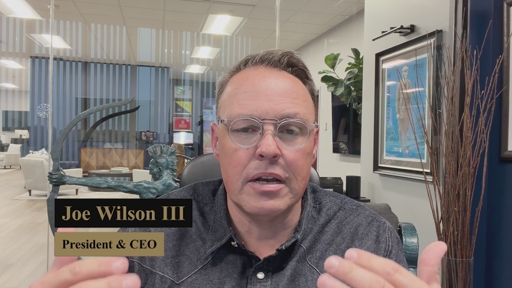
The article states that as a retirement planning expert, Wilson conducts such coordinated reviews with clients in Cincinnati, Ohio, through Omega Wealth Private Capital LLC. The article recommends reviewing the plan regularly, as it describes preparedness as a continuous process, rather than a single milestone.
The article concludes by pointing out that by considering lifestyle costs, income, and risks together, one can gain a clearer understanding of one's retirement readiness.
An article titled “What Determines Real Retirement Readiness?” features the perspectives of Joseph R, a retirement planning expert from Cincinnati, Ohio, and was published in HelloNation.
Please click on the link to read the article and view important disclosure information.
About HelloNation
HelloNation is a "Good News Network" from the United States, a mainstream media platform built on the concept that "real people tell real stories, and good news spreads faster." Through community-centered digital publications and innovative edvertising methods, HelloNation provides expert-driven good news content to convey information, inspire inspiration, and highlight leaders who have a positive impact within their communities.
21%