Crude oil flow through the Strait of Hormuz is recovering, but the supply crisis is not over yet.
Coinpaper
1h ago
Ai Focus
Crude oil flows through the Strait of Hormuz have rebounded in September, providing some relief to the global energy market, but ongoing tensions in the Middle East continue to keep oil prices high. Kpler data shows that crude oil exports through this waterway this month are around 12.8 million barrels per day, which is a significant improvement from the severe disruptions at the beginning of the conflict, but still below pre-war levels.
Helpful
No.Help

In September, the flow of crude oil through the Strait of Hormuz saw a rebound, providing some relief to the global energy market. However, the ongoing tensions in the Middle East region continue to keep crude oil prices high.

According to Kpler data, the strategic waterway's crude oil export volume in September is estimated to be around 12.8 million barrels per day. This level has significantly improved compared to the severe disruptions that occurred in the early stages of the conflict, but the flow is still noticeably lower than pre-war levels.

Middle East crude oil exports have also risen to their highest level since the conflicts involving the United States, Israel, and Iran began in February. This month, the region's shipments amount to about 16.3 million barrels per day, compared to around 19.5 million barrels per day before the conflicts.

Saudi Arabia promotes the recovery of oil exports

Saudi Arabia played an important role in this rebound. In September, its crude oil exports increased significantly; last week, another 19 ultra-large crude oil tankers passed through the Strait of Hormuz, with each tanker having a carrying capacity of about 2 million barrels. Since some vessels are reported to have turned off their tracking systems, the actual flow could be even higher.

At the same time, Saudi Arabia is also rebuilding its capacity to bypass the Strait of Hormuz. With the restoration of operations of the East-West Pipeline, the port of Yanbu, located in the Red Sea, has once again begun loading crude oil. Currently, the loading volume is about 2 million barrels per day, while the pipeline transportation capacity has reached around 2.65 million barrels per day and may further increase.

This allows Saudi Arabia to continue accessing the international market through another route even when the situation in the Strait of Hormuz deteriorates again.

Signs of recovery have also appeared in other areas of the energy market. After a significant decline in shipping volumes in August, liquefied natural gas vessels related to Qatar have once again begun to pass through the Strait of Hormuz. This indicates that, despite security risks, some shipping companies are becoming more willing to use this route.

Oil prices are still rising.

The improvement in physical crude oil flows is not yet sufficient to eliminate the geopolitical premium in the crude oil market.

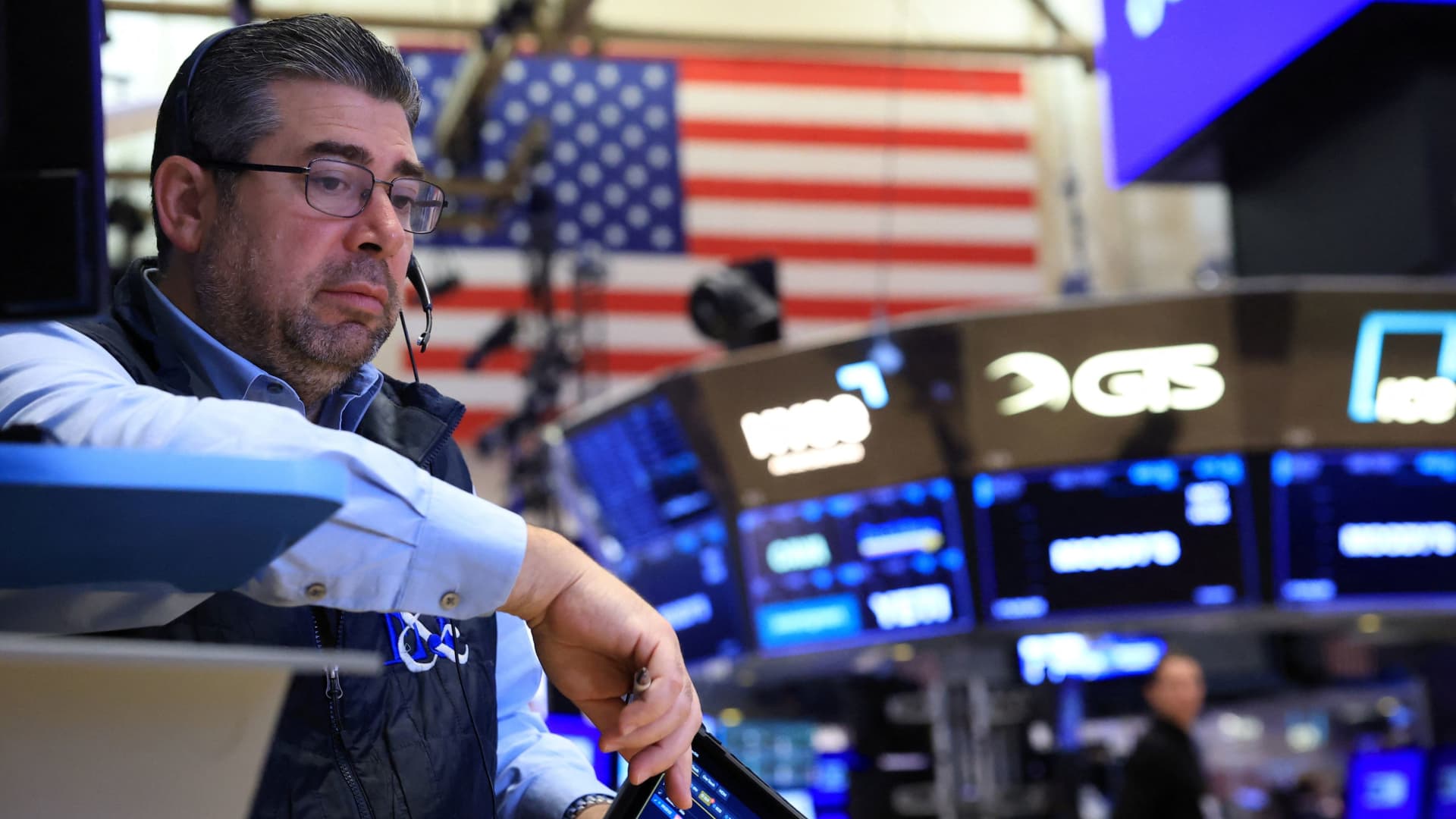
On Tuesday, Brent crude oil rose to around $107 per barrel, while West Texas Intermediate (WTI) crude oil traded near $94 per barrel, with both benchmarks seeing their second consecutive day of increases.

Traders are still concerned that if tensions escalate again, the Strait of Hormuz could be blocked once more, especially given that the costs of these alternative routes are currently higher and their efficiency is lower than during normal operations.

Therefore, for the oil market, the situation is improving, but we are still far from a normal state. More crude oil is reaching international buyers, yet one of the most important global energy corridors still faces the risk of another sudden disruption.

Tip
$0
Like
0
Save
0
Views 13
HQYC reminds readers to view blockchain rationally, stay aware of risks, and beware of virtual token issuance and speculation. All content on this site represents market information or related viewpoints only and does not constitute any form of investment advice. If you find sensitive content, please click“Report”,and we will handle it promptly。
Submit
Comment 0
Hot
Latest
No comments yet. Be the first!
Related
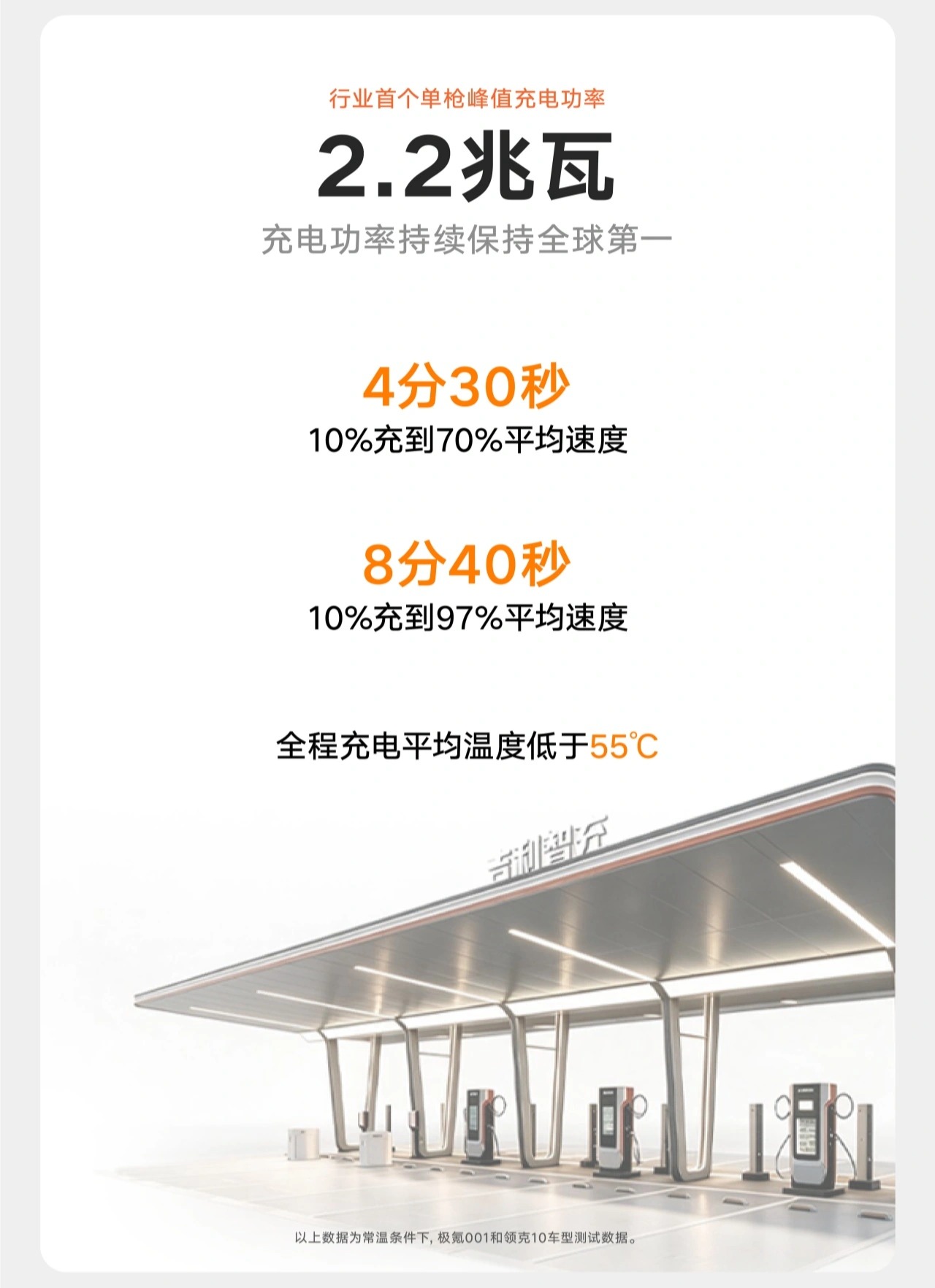
Geely Zhichong C12 takes the lead in being implemented in Hangzhou, Shanghai, Ningbo, Jiaxing, and Xi'an: Single-unit peak power of 2250 kilowatts, with an average charging time of 8 minutes and 40 seconds for 10% to 97% battery charge.
According to "NBD", Geely Smart Charging C12 has been launched simultaneously in five cities: Hangzhou, Shanghai, Ningbo, Jiaxing, and Xi'an. Geely states that the peak power of each charging station is 2.2 megawatts, and the average charging time for 10% to 97% battery recharge is 8 minutes and 40 seconds. It is also equipped with AI smart charging technology, battery temperature control, charging robots, as well as a plan for expanding the number of charging stations.
The Block
·2026-09-29 17:23:43
6
HCLTech Releases the First AI Synthetic Research Report Aimed at the Global Financial Management Industry
HCLTech releases its first AI synthetic research report titled " Hidden In Pl ( AI )n Sight ", based on profiles of 1,066 individuals from the wealth management industry across 17 markets. The report indicates that 84% of global wealth management companies believe there is a need to completely reshape their operational models, yet only slightly over 7% of these companies are actively developing agent-based AI capabilities.
PR Newswire
·2026-09-29 17:06:18
14
AI How does encrypted pre-sale work: Analysis of the AI agency launch model for MemeToro
AI Cryptocurrency presales are changing the path for early-stage projects from concept to public token issuance. MemeToro Taking Propose, Verify, Fund, and Launch on BNB Chain as examples, this article introduces their phased fundraising methods, smart contract rules, and the uses of the $MT tokens.
U.Today
·2026-09-29 16:51:51
23
Taiwan ORing Promotes the Development of Global Railway On-Board Connectivity
ORing Industrial Networking releases a new generation of IRoN railway Ethernet switch product portfolio on InnoTrans 2026. The company stated that its products have been applied in passenger and freight railway projects in Europe, the United States, and Asia. The new IRoN series offers configurations such as TSN, 10GbE, or PoE ++, and is moving forward to meet the IEC 62443-4-2 security level 2 requirements and related certifications.
PR Newswire
·2026-09-29 16:51:48
14
Inflation concerns persist; U.S. Treasury yields fall in the early session
U.S. Treasury yields fell in early trading on Tuesday, after reaching new highs on the previous trading day, as markets remain concerned about inflationary pressures. The yield on 10-year U.S. Treasuries remained flat at 5.238%, the yield on 30-year Treasuries dropped by 1 basis point to 5.551%, and the yield on 2-year Treasuries rose by 1 basis point to 4.9389%.
CNBC
·2026-09-29 16:44:23
19
View More