

Research claims Bitcoin outperformed gold and stocks with a real return of 633%
Taurex's comparison of 10 types of investment assets in October 2026 shows that Bitcoin ranked first with an inflation-adjusted return of 633.2%, ahead of silver, U.S. stocks, and gold.
- Bitcoin ranks first, with an actual return of 633.2%, despite reports stating that its annual decline was 25%.
- After inflation adjustment, the return on silver was 60.7%, followed by 57.3% for the S&P 500.
- Under the inflation adjustment of this study, 7 out of 10 types of assets achieved an increase in purchasing power.
- Savings accounts, U.S. composite bonds, and palladium recorded negative real returns in the comparison.
Taurex indicates that in its comparison, Bitcoin's cumulative actual return has surpassed that of all other assets, while some common savings and investment options have lost their purchasing power. This online trading platform included cryptocurrencies, precious metals, stocks, real estate, agricultural land, cash, and bonds in its October classification report.
In the report rankings, Bitcoin is the only cryptocurrency that was evaluated. The study placed silver in second place with a cumulative actual total return of 60.7%; followed by the S&P 500 after taking into account dividends, with an actual return of 57.3%; and gold at 55.5%.
According to the provided method description, researchers used approximately 25% of the cumulative inflation rate in the United States to adjust investment returns in order to compare changes in purchasing power. The report states that their calculations included dividends and interest under applicable circumstances, rather than relying solely on changes in quotes.
Despite annual declines, Bitcoin still tops the list.
Despite the report stating that Bitcoin fell by 25% in the previous year, Taurex still achieved a cumulative actual return of 633.2% for this cryptocurrency, as well as a real compound annual growth rate of 49%. The cumulative increase mentioned in its report is more than ten times that of silver.
Among the assets listed in the study, Bitcoin’s return was significantly higher than that of other assets that recorded positive returns, with the latter ranging from 1.6% for US real estate investment trusts to 60.7% for silver. The report is sorted by cumulative actual return, rather than by the latest annual performance.
Regarding Bitcoin, the platform's summary description covers its performance since 2020, while the method description mentions tracking cycles of 4 and 5 years. Therefore, the statements regarding the holding period in the report's accompanying explanations are not consistent.
Recent reports have also documented investors withdrawing funds from both Bitcoin and gold simultaneously. On May 28th, crypto.news reported JPMorgan’s assessment of the capital outflows from Bitcoin and gold. Analysts led by Nikolaos Panigirtzoglou stated that the demand for transactions related to currency devaluation has weakened.
In this assessment, the bank stated that exchange-traded funds (ETFs) that track these two types of assets experienced capital outflows in the preceding two weeks, and at the same time, institutional positions in CME futures also weakened.
JPMorgan Chase stated: 'This is not a shift of Bitcoin funds towards gold, but rather both types of assets are facing a decline in demand at the same time.'
Silver and U.S. stocks rank higher than gold.
Among the traditional investments assessed, Taurex ranks silver above gold and the S&P 500. The cumulative actual return for this metal is 60.7%, with an actual annual growth rate of 9.9%.
For gold, the study lists a cumulative actual return of 55.5%, with an inflation-adjusted annualized growth rate of 9.2%. In its investment example, the platform states that if $10,000 is invested in gold at the starting point, its purchasing power would be equivalent to approximately $15,500 in 2020 dollars.
After taking into account dividends, the actual total return of the S&P 500 in this comparison was 57.3%, with an actual annual growth rate of 9.5%. The accompanying note for Taurex states that the nominal cumulative increase of this index is approximately 96%.
For the 5 calendar years discussed in the report, the platform states that U.S. stocks were up for 4 of those years, including a gain of approximately 29% in 2021 and about 25% in 2024. 2022 was listed as a year of loss in the report, with a decline of around 18%.
On July 30th, earlier reports about Bitcoin rebounding after the release of data from PCE documented a general increase in cryptocurrencies, U.S. stocks, and precious metals following the release of U.S. inflation data in June.
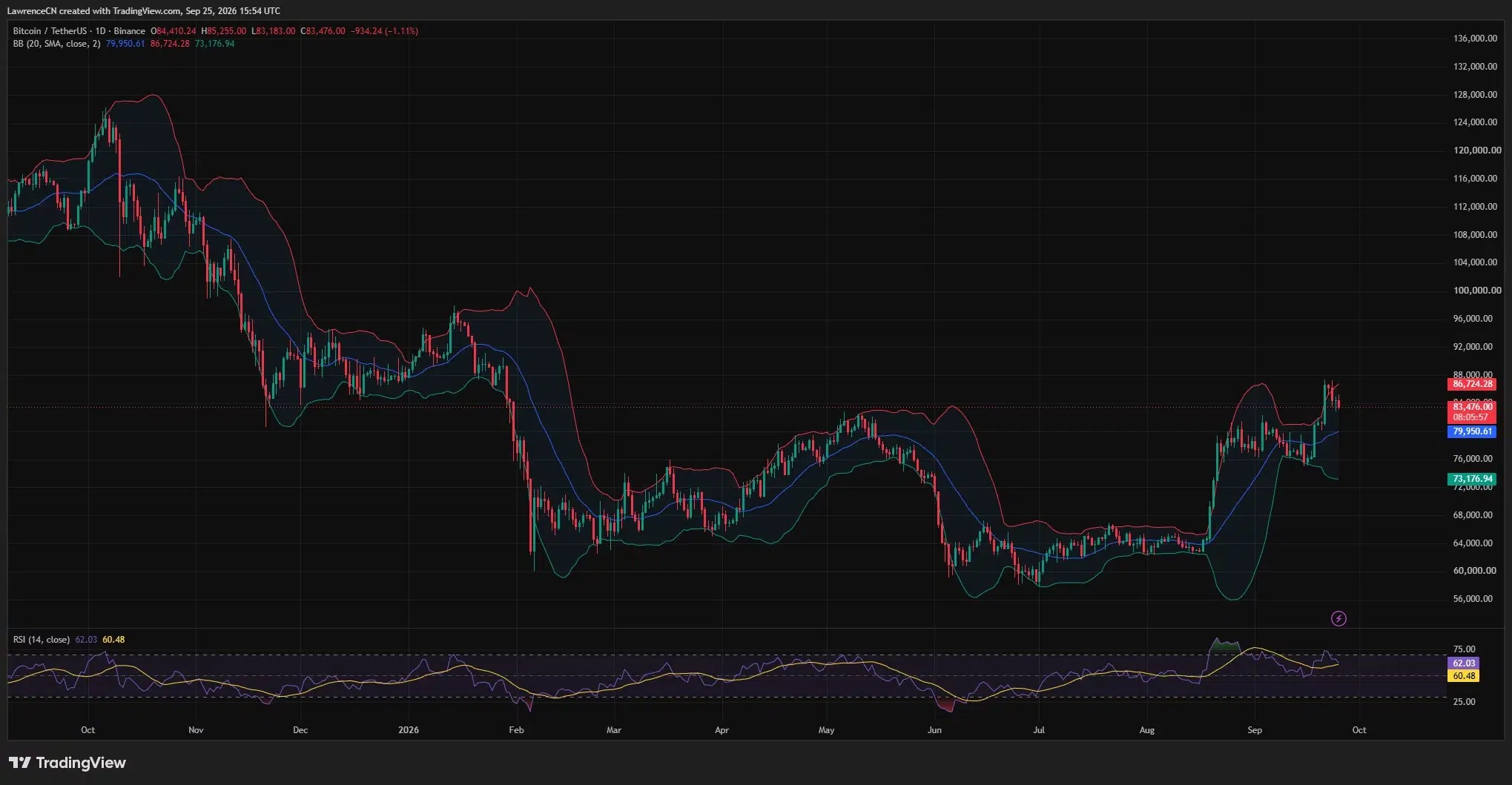
According to the report, Bitcoin rose by 1.2% to around $64,804; the S&P 500 gained about 0.9% in the morning session. Gold increased by about 0.3% to $4,076 per ounce; silver rose by 0.6% to around $58.
U.S. inflation data provides another set of comparisons for the market.
For American investors, the comparison in Taurex uses U.S. inflation data, as well as indicators for domestic stocks, housing, farmland, and bonds in the United States. Approximately 25% of the inflation adjustment covers the cumulative price increases over the study period, rather than the inflation figures for a single year.
On August 13, a report regarding Bitcoin's lukewarm reaction to CPI documented its limited price response following the release of the U.S. July Consumer Price Index on August 12. The report stated that the overall annual inflation rate was 3.4%, with a monthly increase of 0.1%.
The same report also stated that Bitcoin rose from around $63,800 to $64,100 within 4 hours, an increase of about 0.47%. The article also mentioned that in the first week of August, US spot Bitcoin ETF saw a capital inflow of $854 million.
According to a report from August, before the release of CPI, sustainable futures trading activity had dropped to a three-year low, while the options market expected only a 1.3% volatility for Bitcoin.
Rising housing prices, depreciation of cash, bonds, and palladium
After the top four assets, Taurex ranks U.S. housing prices in fifth place, with an actual total return of 18.6% and an actual annual growth rate of 3.5%. U.S. agricultural land follows closely behind, with a cumulative inflation-adjusted increase of 10.4% and an annualized growth rate of 2%.
For the United States REITs, the report includes the total return, which records a cumulative actual increase of 1.6%, equivalent to an annualized growth of 0.3%. This real estate investment category ranks lowest, but still outperforms the research inflation benchmark.
At the bottom of the list, Taurex shows an actual total return of -18.2% for US savings accounts, as well as a negative annual growth rate of -3.9%. The account summary also mentions that at least 34% of Americans hold savings accounts with interest rates of 4% or higher.
According to this comparison, U.S. aggregate bonds recorded a negative total return of 22.2%, with an annualized result of -4.9%. Palladium ranked last, with a cumulative actual loss of 62.7% and an actual annual growth rate of -17.9%.