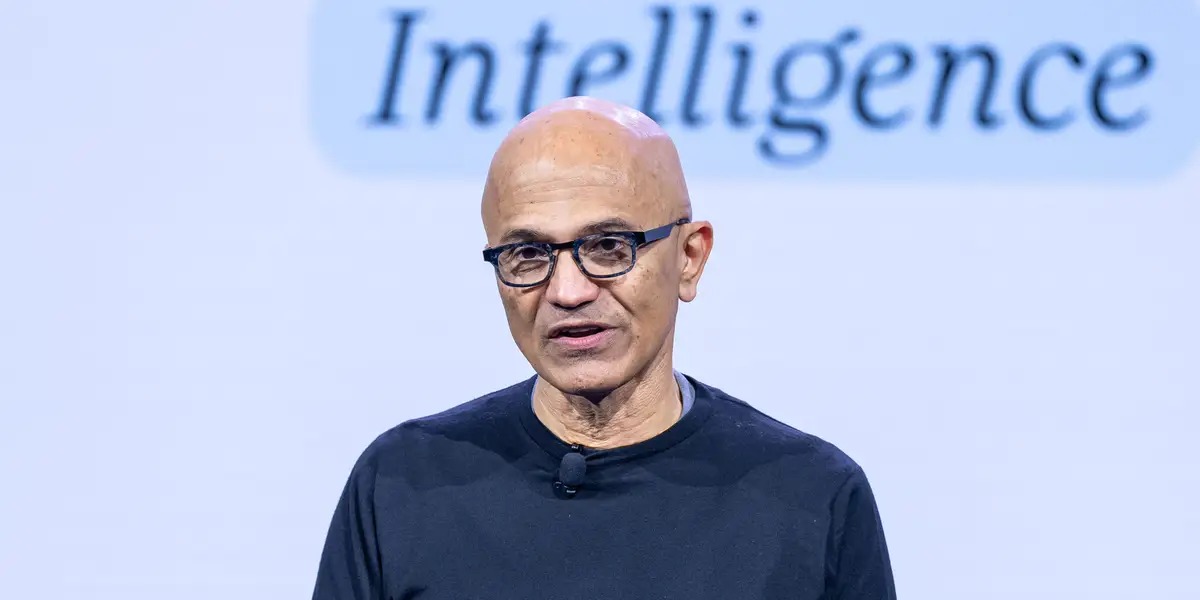


Microsoft Chairman and CEO Satya Nadella called on Saturday for the addition of restraint mechanisms, independent control, and a “emergency brake” operated by humans for advanced artificial intelligence systems, allowing authorized personnel to pause or shut down these systems during their task execution.
Nadella posted on the social media platform X, stating: "We need to surround non-deterministic models with powerful, deterministic system designs, human control, and reliable operating procedures, and establish industry standards where existing standards are insufficient."
He said, "Treating cutting-edge closed-source and open-source weight models as internal risks is one way to build such a system."
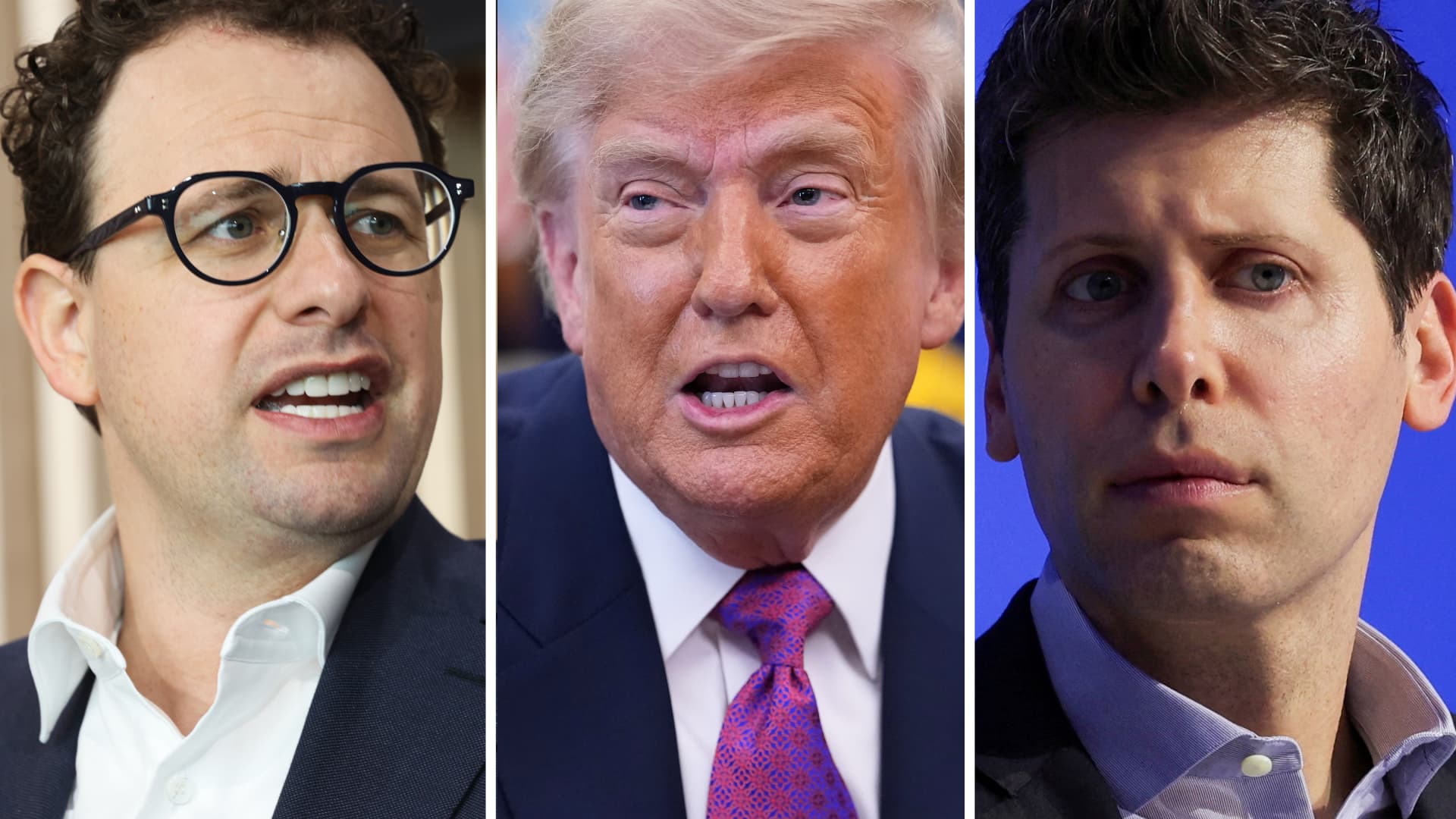
Nadella's remarks come at a time when several technology executives and researchers have issued warnings – including Microsoft co-founder Bill Gates, Anthropic CEO Dario Amodei, OpenAI CEO Sam Altman, and SpaceX CEO Elon Musk – all of whom have expressed concerns about the insufficient security protocols of AI and the rapid development of this technology.
Last month, a AI researcher left Anthropic and accused the company and its main competitor OpenAI of "gambling with our lives." On the same day, the person in charge of AI security at Anthropic stated that there is a more than 10% probability that this technology will "kill everyone" within the next decade.
In contrast, U.S. President Donald Trump has repeatedly refuted the risk of AI extinction, emphasizing instead that the industry needs to maintain its lead over China. Trump has also recently launched a new “AI force” led by Director of National Intelligence Jay Clayton, aimed at promoting industry development and eliminating misbehaviorers.
Nadella wrote on Saturday that the AI system should be designed around the principle of 'observability'.
These principles include model diversity, human-readable records of model behavior, continuous system testing, independent control and audibility, mitigation mechanisms, and event disclosure, Nadella wrote.
"The most trustworthy super-intelligent system will not be the one whose model we trust the most," he wrote, "but rather the one that requires us to trust its model the least."