

In 2026, which of the top five DeFi coins has the most aggressive buyback and burn? Uniswap, Lido, Aave, MakerDAO/Sky, and Ethena—who is truly burning, and who is only buying back? According to Allium Labs data, crypto projects have bought back their own tokens worth $638 million so far in 2026, far exceeding the $545 million in the same period of 2025, while the full year of 2024 was only $366,000. That is an increase of over 1,700 times in two years.
What Are DeFi Coins?
What are DeFi coins? Simply put, they are tokens issued by decentralized finance protocols themselves. They mainly do three things: voting governance, fee sharing, and liquidity incentives.
Where does their value come from?
In our view, it ultimately depends on whether the protocol has real revenue and whether on-chain activity is active enough. CoinMarketCap data shows that the total market cap of the DeFi sector is approximately $87 billion, and the global daily active wallet addresses in DeFi are expected to exceed 12 million, with repeat active users accounting for over 65%.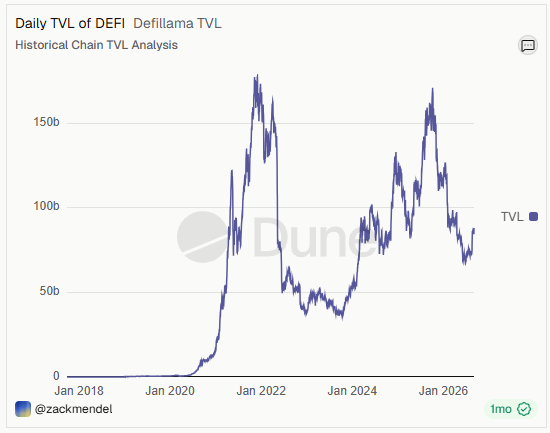
Image: DeFi Sector TVL
But here is the question: with everyone calling it buyback and burn, whose efforts truly change the supply-demand structure? Who is just moving coins from the left pocket to the right pocket? From your perspective, you may care more about which project is truly burning. Below we focus on the buyback and burn mechanisms of the top five DeFi coins, breaking them down one by one.
Analysis of Buyback and Burn for the Top Five DeFi Coins
Table: Buyback and Burn Data Analysis of the Top Five DeFi Coins
| Coin | Latest Burn/Buyback Data | Notes |
|---|---|---|
| UNI | Cumulative burn of ~112 million tokens, 11.2% of max supply | Annualized burn rate has exceeded $250 million |
| LDO | Cumulative buyback of ~$7.09 million | Mechanism is in a "set but idle" state |
| AAVE | Bought back over 205,000 AAVE out of ~16 million | Buyback tokens go into the ecosystem reserve, not burned |
| MKR | Burn rate surged 460% week-over-week | Holders prefer to stay on-chain for DeFi rather than sell |
| ENA | Actual burn has not yet started | Concentrated unlock on October 5, accelerating vesting rather than burning |
Uniswap (UNI)
Key point: Fee switch implemented, burn acceleration exceeds expectations
Fee switch implemented, burn acceleration exceeds expectations
According to Castle Labs, Uniswap has bought back and burned approximately $28.4 million worth of UNI through its fee mechanism so far this year, with most of the fees coming from Ethereum. Since the fee switch was activated, fees generated by Robinhood Chain have grown significantly, contributing approximately $2.26 million to UNI buybacks. Since late July, that chain has contributed more than 50% of UNI's daily burn on most days, and close to 70% on some days.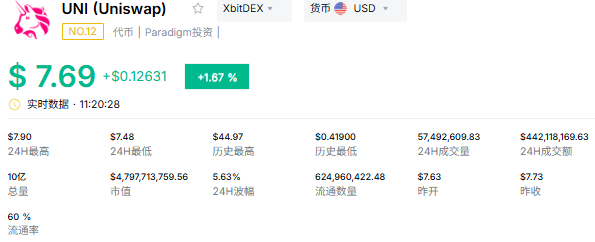
Image: UNI Latest Quote
UNI-related latest data
Between July 27 and August 12, Uniswap protocol daily average revenue was approximately $244,000, about 2.4 times higher than the previous 17 days. In addition, Uniswap founder Hayden disclosed on September 8 that based on the burn rate of the past 7 days, UNI's annualized burn has exceeded $250 million, rising to approximately $263 million. As of the end of August, UNI's cumulative burn has exceeded 110 million tokens, about 10% of total supply.
Lido (LDO)
Key point: Automatic buyback launched
Lido's NEST automatic buyback mechanism officially launched in August 2026. It sets a threshold for Lido's staking revenue: after annualized revenue exceeds $40 million, half of the excess is used to automatically buy LDO. The maximum is $50,000 per day and $10 million per year. We backtested this rule: if applied to 2024 to 2025, total reward revenue in those two years would be about $94.18 million, which would result in cumulative LDO buybacks of about $7.09 million.
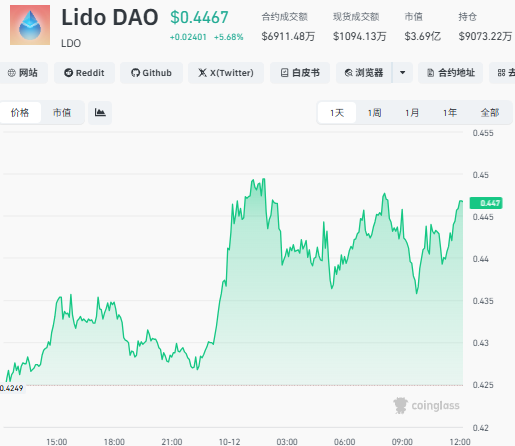
Image: LDO Latest Quote
LDO Buyback Model Comparison
But in our view, there is a key problem here: the LDO bought back is not burned; it all goes into the DAO treasury. From a holder's perspective, the total token supply has not changed; it has just moved from the market to the DAO. The deflationary effect is almost zero.
Lido's total revenue in 2025 was about $40.5 million, down 23% year-over-year. Against this backdrop, launching a buyback plan with an annual cap of only $10 million looks small compared to Hyperliquid's annual buyback of about $100 million and Uniswap's about $40 million.Aave (AAVE)
Key point: 200,000 buyback tokens waiting for a burn order
Aave's buyback scale is notable. Since April 2025, the DAO has invested approximately $42 million to buy more than 205,000 AAVE, about 1.28% of the 16 million total supply. In 2026 so far, Aave's revenue is $80.48 million, with net income of $25.33 million, providing a solid funding base for buybacks.
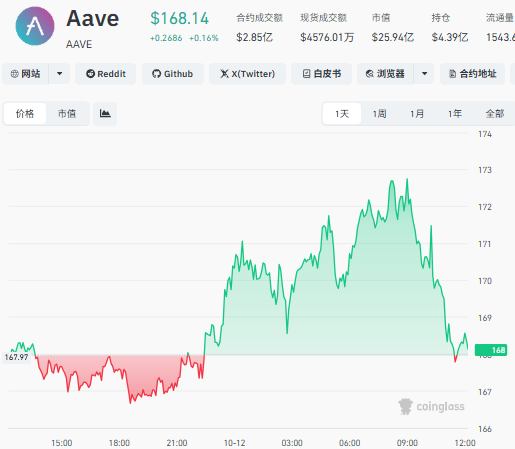
Image: AAVE Latest Quote
AAVE Contradiction
Where did these bought-back AAVE tokens go? The answer is: into the ecosystem reserve, not burned at all. Although these tokens have temporarily left market circulation, the DAO can take them out again at any time, for example to issue staking incentives, provide grants, or pay service providers. So from your perspective, the total token supply has not changed; it has just moved from the market to the DAO. The deflationary effect is almost zero. In our view, AAVE's burn narrative remains in the "discussion stage." From your holdings perspective, you need to separate expected premium from actual execution.
MakerDAO/Sky (MKR)
Key point: The textbook case of on-chain deflation
In the field of buyback and burn, MakerDAO is a well-deserved "veteran." CryptoQuant data shows that MKR's recent burn rate surged 460% week-over-week, with 111 MKR burned in a single day on July 10. Network transaction volume increased 24% from the 7-day baseline, and token velocity hit a 6-month high.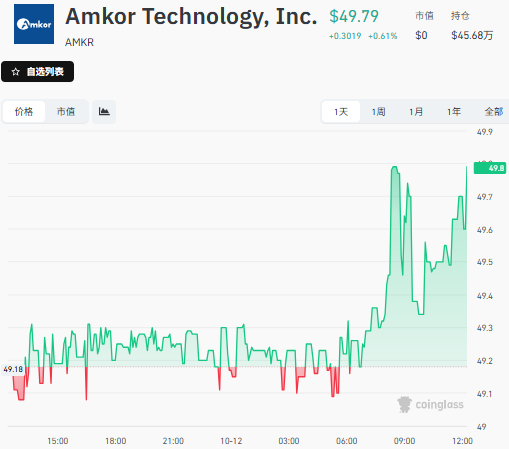
Image: MKR Latest Quote
While burn volume increased, MKR inflows and outflows on Binance were almost zero. At the current buyback rate, the protocol buys back about $15 million per month, equivalent to about 1% of circulating supply per month. MKR's model proves that native on-chain deflation combined with low exchange selling pressure can create structural price support.
Ethena (ENA)
Key point: Hard trigger conditions
Ethena proposed using about 95% of net revenue from its core product for ENA buyback and burn, but set hard trigger conditions: USDe supply must first reach $7.5 billion to activate. Initially, only 5% of protocol revenue is allocated to buybacks, gradually increasing to 20% as USDe grows to $20 billion. Meanwhile, remaining investor tokens will unlock in a concentrated event on October 5, replacing the monthly release mechanism, accelerating vesting rather than burning.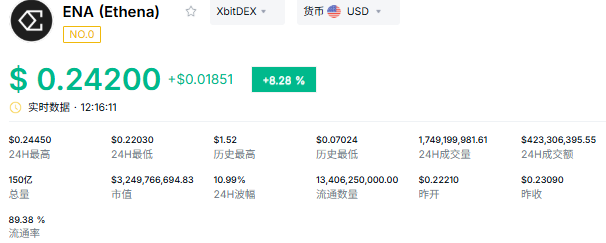
Image: ENA Latest Quote
In our view, ENA's buyback plan is elegantly designed, but it is currently in a "waiting for trigger" stage, and actual burning has not yet begun. Investors need to assess the time-gap risk between the unlock event and the start of buybacks.
Buyback and Burn Intensity Comparison: Whose Deflation Is the "Hardest"?
| Tier | Representative Coins | Burn Intensity | Reason |
|---|---|---|---|
| Hard Burn Tier | MKR, UNI | ★★★★★ | On-chain verifiable, the "hardest" deflation |
| Expectation-Driven Tier | AAVE, ENA | ★★★☆☆ | Trading on expectations, not facts |
| Mild Buyback Tier | LDO | ★★☆☆☆ | Signaling value outweighs actual deflation |
From the perspective of burn intensity, the top five DeFi coins can be divided into three tiers:
This table divides the top five DeFi coins into three tiers by burn intensity: MKR and UNI have the hardest real burns, AAVE and ENA are still waiting for implementation, and LDO is a milder "buy but don't burn" case. In one sentence: only on-chain verifiable deflation deserves long-term attention.
2026 DeFi Coin Buyback FAQ
Q1: In the 2026 DeFi coin buyback and burn wave, which project has the hardest deflationary intensity?
MKR and UNI have the hardest deflationary intensity. MKR's on-chain automatic burn has been running for years, with low exchange balances; UNI's annualized burn is about $89.1 million, about 4% of circulating supply. Both are backed by real revenue.
Q2: Will the price definitely rise after token buyback and burn?
Not necessarily. Buyback and burn only reduces supply; it does not guarantee a price increase. Price also depends on protocol revenue, market sentiment, and token unlock schedules. For example, although AAVE has bought back over 205,000 tokens, it has not yet burned them; LDO buybacks go into the treasury, so the deflationary effect is limited.
Q3: How did Uniswap's UNI burn perform in 2026?
UNI's burn intensity exceeded market expectations. According to Castle Labs, Uniswap has bought back and burned about $28.4 million worth of UNI so far this year, with Robinhood Chain contributing over 50% of the burn on many days. As of press time, UNI's latest quote is $7.69.
Q4: Why is Lido's LDO buyback called "buy but don't burn"?
Because LDO is not burned after buyback; it goes into the DAO treasury. This operation reduces circulating chips but does not permanently destroy them. The deflationary effect is weaker than UNI and MKR, and it is more of a market signal.
Conclusion: Burn Is Only the Starting Point, Business Is the Endpoint
The 2026 review of buyback and burn among the top five DeFi coins shows that MKR and UNI belong to the hard burn tier, AAVE and ENA are still in the expectation stage, and LDO is a mild buyback. Our view is: buyback and burn is not a price guarantee. What truly determines long-term value is protocol revenue, on-chain activity, and burn execution.
Disclaimer: Readers are strictly advised to comply with local laws and regulations. This article is compiled based on public market data for reference and educational purposes only, and does not constitute investment advice. Follow CoinMeta for the latest updates.