News from the IT community on October 13th: Tesla stated that the import quotas for electric vehicles manufactured in China have been exhausted, and as a result, they have suspended accepting new orders for the Model 3 Premium models in the Canadian market. It is expected that ordering will not resume until March 2027.

However, Drive Tesla Canada has found that data released by the Canadian government shows that there is still a large surplus of import quotas for electric vehicles manufactured in China across Canada. There is currently no clear explanation as to how many quotas Tesla has been allocated or why they decided to stop accepting orders ahead of schedule.
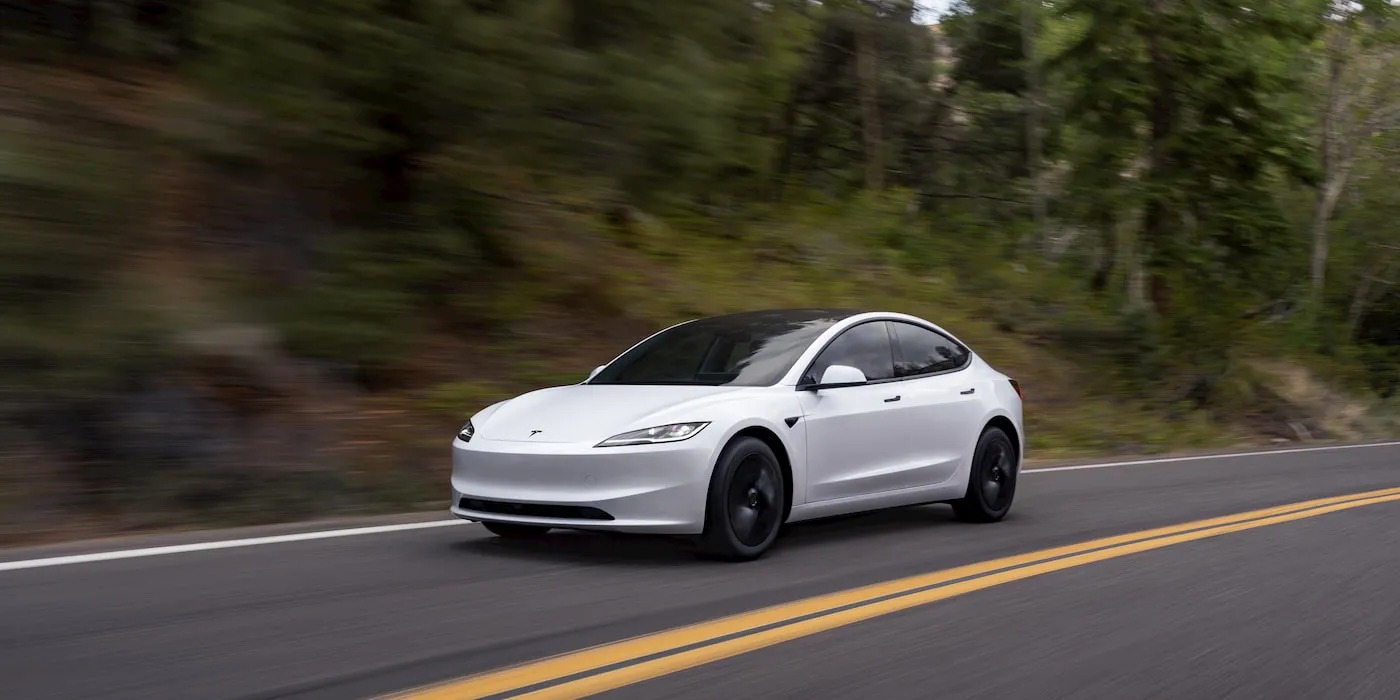
Currently, Tesla has removed the Model 3 Premium rear-wheel-drive and all-wheel-drive versions from its Canadian official website ordering page. Both models are produced at the Shanghai Gigafactory; the rear-wheel-drive version has a starting price of C$39,490 (Note from IT: current exchange rate is approximately CNY 186,000), while the all-wheel-drive version has a starting price of C$49,990 (current exchange rate is approximately CNY 235,000). In addition, Canadian consumers can still order the Model 3 Performance all-wheel-drive version, which costs up to C$74,990 (current exchange rate is approximately CNY 352,000).
In January 2026, the Canadian government announced adjustments to its import policy for electric vehicles manufactured in China, implementing a quota system of 49,000 units per year starting from March 1st. Within this quota, the relevant vehicles are subject to a most-favored-nation tariff rate of 6.1%, whereas the previous additional tariff rate was 100%. The annual quota is implemented in two phases, and any unused quotas from the first phase will be carried over to the second phase.
Data released by Canada's Department of Foreign Affairs, Trade and Development shows that as of October 9th, among the second-phase quotas that were initiated on September 1, 2026, only 328 cars have been imported from the original 33,397 quota slots, leaving 33,069 slots unused, which accounts for approximately 99% of those quotas for that phase. Since the implementation of the quota system on March 1, 2026, a total of 15,931 out of 49,000 annual quotas have been used nationwide.
According to the Canadian government's second phase of import notifications, quotas are in principle allocated on a first-come, first-served basis to eligible importers. The document does not specify a quota limit for individual automobile manufacturers. However, the Canadian government has stated that in order to ensure that eligible applicants can obtain quotas fairly, it may reserve some spots for automobile manufacturers in the future, including quotas for new companies entering the Canadian market. As of the time of publication of this report, the government has not announced any separate quota arrangements for Tesla.
Benefiting from the reduction in tariffs, Tesla moved the production of its Model three-wheel-drive version for the Canadian market from its Fremont factory in the United States to its Shanghai factory in China in May this year. As a result, the starting price was lowered to C$39,490, and a all-wheel-drive version was added in June. Following this temporary suspension of orders, consumers will not be able to place orders for these two Premium models through the official website for the time being.
Currently, Tesla has not made public the specific quantity of its import quotas, nor has it explained why it stopped accepting orders when Canadian government data shows that there are still a large number of quotas unused.
Related Reading:
- He Xiaopeng: Xpeng Motors is preparing to enter the US market when conditions permit; currently evaluating entering Canada
- Geely Brand, under Geely Automobile Group, announces its official entry into the Canadian market, and has already fully advanced the construction of its retail and service network there.
- Nissan considers exporting its joint-venture electric vehicles produced in China to Canada
- Did Piles Arrive Before Cars? BYD's Fast Charging Technology Begins to Layout the Canadian Market
- The first batch of Chinese electric vehicles arrives in Canada: Chery and Geely test vehicles have been transported to Toronto
- The Canadian electric vehicle market welcomes Chinese strength, with BYD, Geely, Chery, and others accelerating their layout.