The University of Tennessee deployed a new McNeilus Volterra ZFL electric garbage truck this week at its Knoxville campus, combining advanced battery-powered garbage collection technology with “Made in Tennessee.”
Campus waste and recycling routes are almost ideal application scenarios for electrification: frequent starts and stops, low-speed operation under heavy loads, high traffic of pedestrians and vehicles, and sensitivity to noise – that is, "people with hangovers" are very sensitive to noise.
Based on this, the University of Tennessee chose the “Made in Tennessee” McNeilus Volterra electric platform to reduce exhaust emissions and diesel fuel consumption. At the same time, taking advantage of the vehicle’s regenerative braking and quiet operation characteristics, it is particularly suitable for the collection routes that pass by dormitories, libraries, and teaching buildings in the early morning.
McNeilus Truck and Manufacturing President Lee Dreas stated: "The University of Tennessee is an ideal case study that demonstrates how electric vehicles designed specifically for waste and recycling collection can be integrated into high-demand real-world operations." McNeilus Volterra The electric waste and recycling collection platform was designed from scratch with the aim of providing customers with the performance, reliability, and driving experience they expect from their collection vehicles, while also offering the advantages of an electric platform. We are particularly proud to see a vehicle manufactured by our team in Tennessee put into use at the Knoxville campus of the University of Tennessee."
The head of facilities services at the University of Tennessee Knoxville campus, Brad Moats, said, "It's special to see a truck made by hardworking Tennesseans being put into use at the University of Tennessee. McNeilus Volterra It gives us the opportunity to support the regional manufacturing industry and bring advanced electric vehicle technology directly into our daily campus operations. We are delighted to put this truck into use, to measure its performance under real conditions, and to use the experience we gain to guide the development of our future fleet."
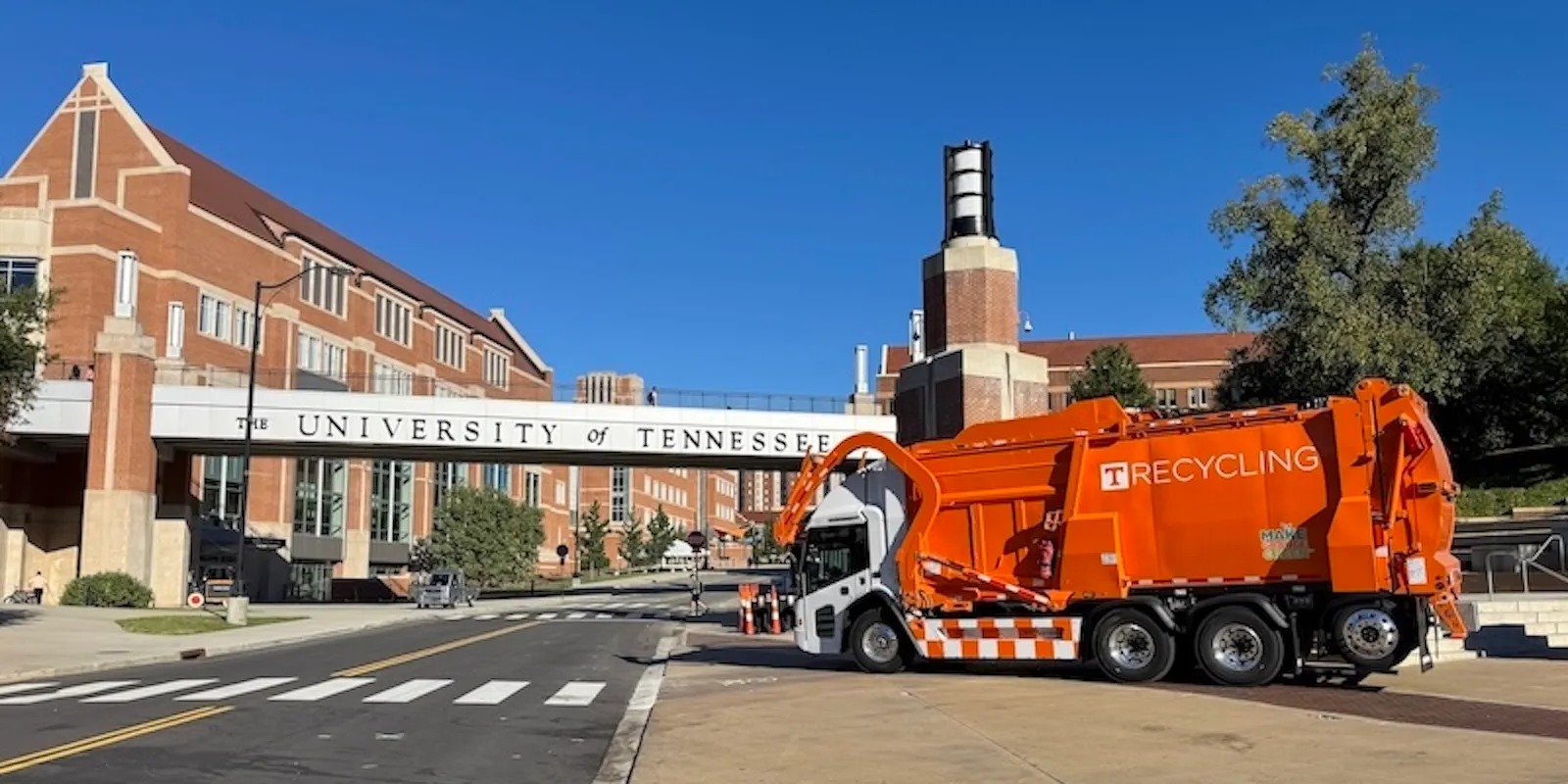
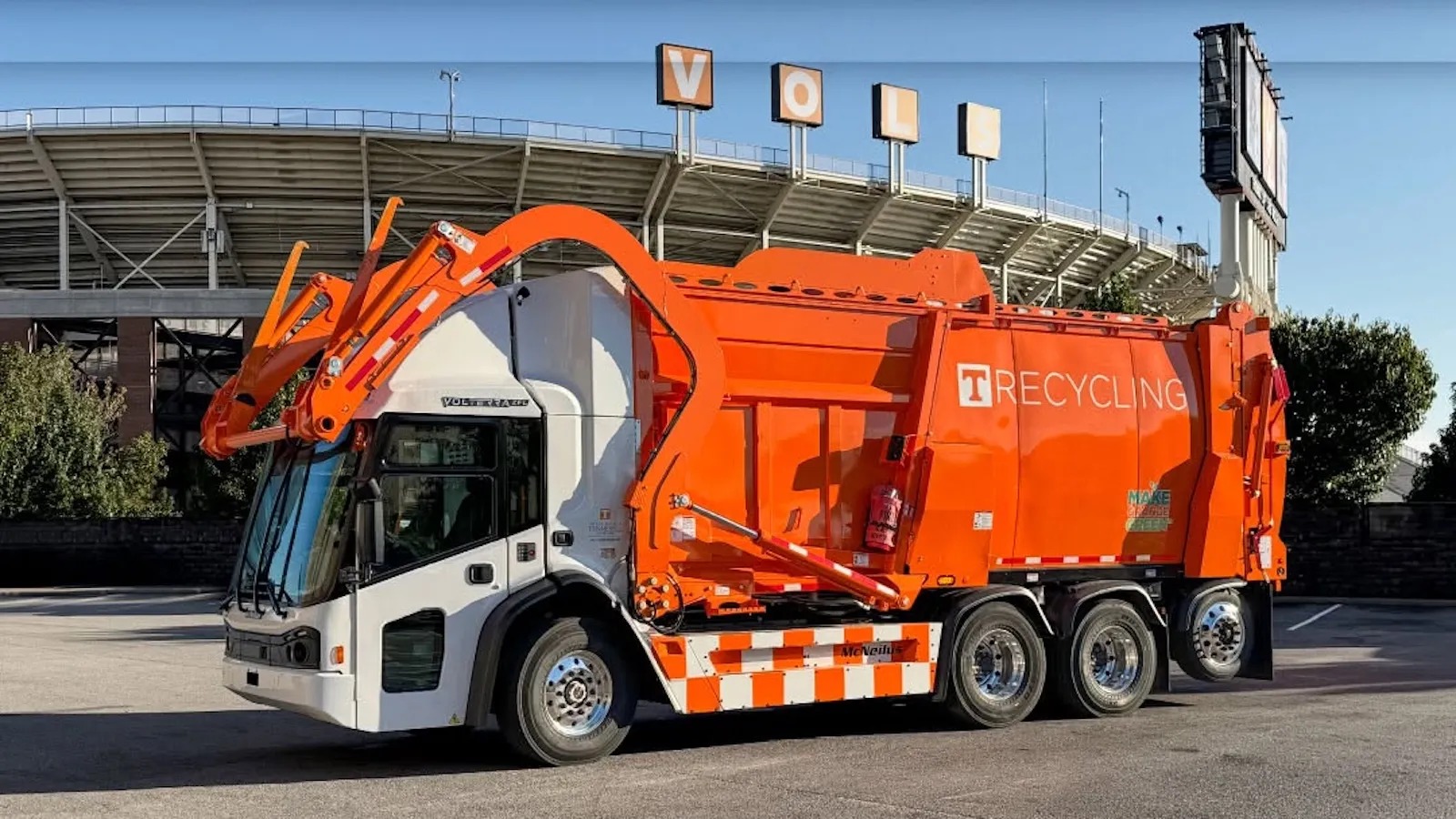
This truck itself is an Class 8 electric garbage truck, equipped with a 499 kWh battery pack, and can also be optioned with a 665 kWh battery pack. It outputs power through a high-torque electric drive axle. McNeilus indicates that Volterra ZFL is designed to complete a full day's operations on a single charge, and the public specifications of this platform's basic configuration show that its route capacity within a 10-hour shift can reach up to 110 miles, which is sufficient to meet the daily recycling needs of the Knoxville campus.
Source | Image: McNeilus Garbage Trucks.
If you're considering installing solar energy, it's best to get quotes from several installers. To ensure you find a reliable and competitively priced local solar installer, you can check EnergySage. This is a free service that helps you install solar more easily. There are hundreds of pre-screened solar installers competing on the platform, ensuring you get a high-quality solution and saving 20% to 30% compared to searching on your own. Additionally, using this service is free until you choose an installer and provide them with your phone number; you won't receive any sales calls thereafter.
You can easily compare personalized solar energy quotes online, and get neutral assistance from Energy Advisors throughout the process. Click here to start.
FTC: We use automated affiliate links that generate revenue. For more information.