

The big bet that Meta placed on AI now seems to be turning into a victory for Mark Zuckerberg.
It wasn't a foregone conclusion from the start. Even the CEO of Meta himself had his doubts. Over the past few years, the company has invested tens of billions of dollars in AI, but the results of such investments have not been proven to any great extent.
“Are you sure this will work?” he asked Alexandr Wang, the 29-year-old leader of AI, at the end of last year. Zuckerberg recently recalled this conversation in an episode of the podcast “Cheeky Pint”.
These high-risk AI bets – which one analyst once compared to throwing spaghetti against a wall – as well as the accompanying large-scale layoffs and reorganizations, are now beginning to pay off. Meta has managed to launch products on the new AI assistant Muse ahead of its competitors and has finally released a cutting-edge AI model. Although Muse is still burning money due to high computing costs, analysts are excited about its potential for monetization.
Zuckerberg himself is also in a high-profile moment. In a recent podcast interview, he and Wang drank Guinness beer while highly praising the AI capabilities of Meta.
"You never know what kind of reception a product will get once it's launched," said the CEO. "There are always those cases where a product becomes an instant hit, and this time is one of them, right? It was met with extremely enthusiastic welcome from the very beginning."
The real question is, how much longer can this positive atmosphere last? Meta is still investing huge amounts of money in AI, but there has yet to be any clear financial return. Some people remain skeptical.
Aptus Capital Advisors Portfolio Manager David Wagner said to Business Insider: "The bill is quite large."
"He won the narrative, but he hasn't yet proven the reward."
Zuckerberg is no stranger to the public opinion arena. He has presented himself in various roles: a genius geek in a hoodie, a fit and accomplished “family man,” and a man with an unhidden masculine presence, as well as a ally of Trump.
Zuckerberg also testified in court, becoming involved in a landmark lawsuit. The lawsuit alleged that platforms under Meta harmed the mental health of young people. (Meta was found to be at fault and has now filed an appeal.) This is also one of three major lawsuits this year, putting the company in a defensive position regarding accusations that its technology poses safety risks to children.
In addition, there are some more typical “embarrassing moments” for Zuckerberg. For example, a picture of him sitting in the front row of a Prada fashion show has attracted attention on the internet.
At the same time, Meta also underwent one of the largest layoffs in its history. The company began to reduce its staff size in March, followed by a major round of layoffs in May, during which about 10% of the employees were laid off.
In addition, during a technical and product team reorganization that focused on AI, Meta also readjusted the positions of another 7,000 employees. Many engineers were demoted to the role of individual contributors. Later, Meta requested that some of the demoted employees return to management positions.
Meta Chief Technology Officer Andrew said during an internal teleconference in June that morale "may not be the worst it's been in 20 years, but it's probably close to it." Bosworth
Meta The Preparations for Resurrection
In this chaos, Zuckerberg laid the groundwork for a comeback. Top researchers from Wang and Meta moved their workstations closer to Zuckerberg.
Since last year, Zuckerberg and Wang have also engaged in a fierce battle for talent, offering salary packages worth hundreds of millions of dollars to poach top researchers.
Zuckerberg grants greater power to his key deputies, including the former GitHub CEO Nat Friedman, allowing them to boldly advance any ideas they have, which also includes his own favorite projects – the AI assistants. All of this is in line with Zuckerberg's long-standing approach: embracing small teams and constantly reorganizing them until something truly works – as he famously said, to act quickly and break established rules.
This method worked.
The highly anticipated Meta AI proxy for Muse has become a huge hit. Just one week after its launch, it topped the app store rankings, and since then, its downloads in North America have exceeded 10 million times. A person familiar with the matter said that the team was shocked to have managed to launch before OpenAI. OpenAI's competitor, Dots, was not launched until three weeks later.
Meta has also invested unprecedented computing power and talent to develop a series of cutting-edge AI models, named Muse Wonder, in order to catch up with the products of giants such as OpenAI and Anthropic.
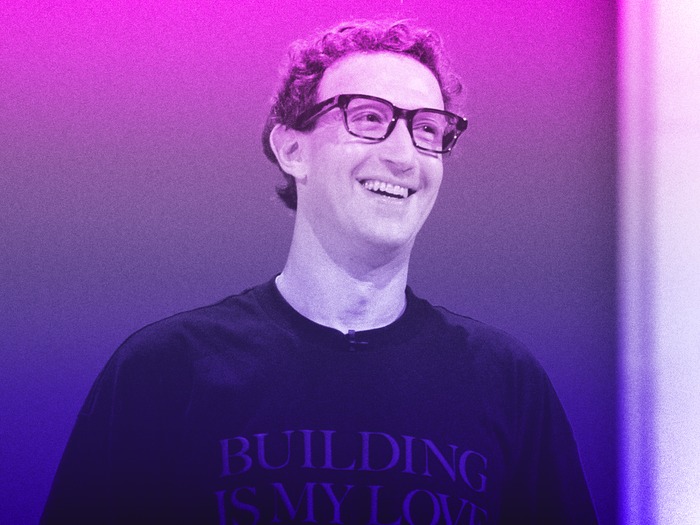
At the third-quarter financial report conference of Meta, Zuckerberg expressed optimism, believing that the company's investments in AI and hardware could soon turn into a "cash cow," as people will shop through Muse and purchase more virtual reality glasses driven by the company's increasingly enhanced AI capabilities.

At the same time, Meta believes that Zuckerberg is more crucial to the company's long-term prospects than ever before.
Meta disclosed in a document submitted on Wednesday that in September, several important members of the board of directors suddenly left the dinner table while dining with Zuckerberg because he informed them that he intended to sell his property in Palo Alto in order to comply with the proposed billionaire tax in California.
Four days later, a special committee came up with a plan: if the tax is ultimately passed, Zuckerberg would be provided with $20 billion in “immediate liquidity” to pay the taxes, while not weakening his control over Meta. Meta also formulated plans to ensure that a new round of billions of dollars in AI financing would not dilute Zuckerberg's control.
Victories on a personal level were also accompanied by the gradual subsiding of other troubles for him. Meta reached a settlement with a major lawsuit filed by attorneys general from various states, Washington D.C., and U.S. territories. As part of the settlement, the company pledged to make adjustments to its app, such as setting daily usage limits and pausing notifications at night. This agreement, which was part of a settlement reached in August, also allowed Meta to publicly criticize competitors like YouTube and TikTok.
Meta once stated in a blog post: "All platforms should take the same measures to empower parents and support teenagers, because we know that when teenagers are restricted on one app, they will simply move on to another."
However, significant issues remain unresolved. On the day after Meta announced strong financial results and Muse reported user growth, the company's stock price fell by 7% as investors digested the scale of the company's future spending commitments, which amount to hundreds of billions of dollars.
And legal troubles continue. This week, a jury in New Mexico also ordered Meta to pay as much as $25 billion in damages due to the Cambridge Analytica scandal, and Meta plans to appeal this decision.
Whether Zuckerberg's strategy is sustainable or not, the change in company culture is very evident – and it seems that at least before the next round of chaos erupts, it has proven that the skeptics were wrong.
Analyst Jesse Cohen said in a report: “Meta has become cool again. This is the ‘Muse effect.’”
Mark Zuckerberg
Meta
Leadership
More
Big Tech
AI
Stocks
Jump to
Main content
Search
Account
Jump to top of page