Turo will soon allow American tenants to specifically search for Tesla vehicles that have "Full Self - Driving ( Supervised )" enabled, and to verify the FSD status of each vehicle through direct integration with Tesla. This feature will be launched on October 28th.
For Tesla, this is a new way to allow people who don't own a Tesla to come into contact with FSD. It also brings new sources of subscriptions for FSD, and these subscriptions are now included in the performance metrics of Elon Musk's compensation package.
How does the FSD rental of Turo work?
The car owner binds their Tesla account to Turo. The platform obtains the FSD status of the vehicle through Tesla's API. Vehicles that meet the criteria will display FSD as 'Enabled', and tenants can also filter by this condition.
Eligible American car owners can also get a one-month free trial of FSD ( Supervised ). After that, there will be a regular monthly subscription fee of $99 from Tesla. Car owners hope to recoup this cost through the daily rental price. It is not specified whether there will be a premium charged for vehicles with FSD in Turo.
Turo, the Chief Executive Officer, stated that this is a "industry-first integration with Tesla" and noted that "most travelers have limited access to driving assistance technologies, but the demand is clear."
The term "industry-first" is somewhat broad. Tesla has been renting its own vehicles in Southern California since last year, which include the FSD feature; we noticed hints of this plan as early as 2023. The new development is that there are now more verified FSD vehicles on third-party platforms, with broader coverage of cities.
Why does Tesla hope that more people will use FSD?
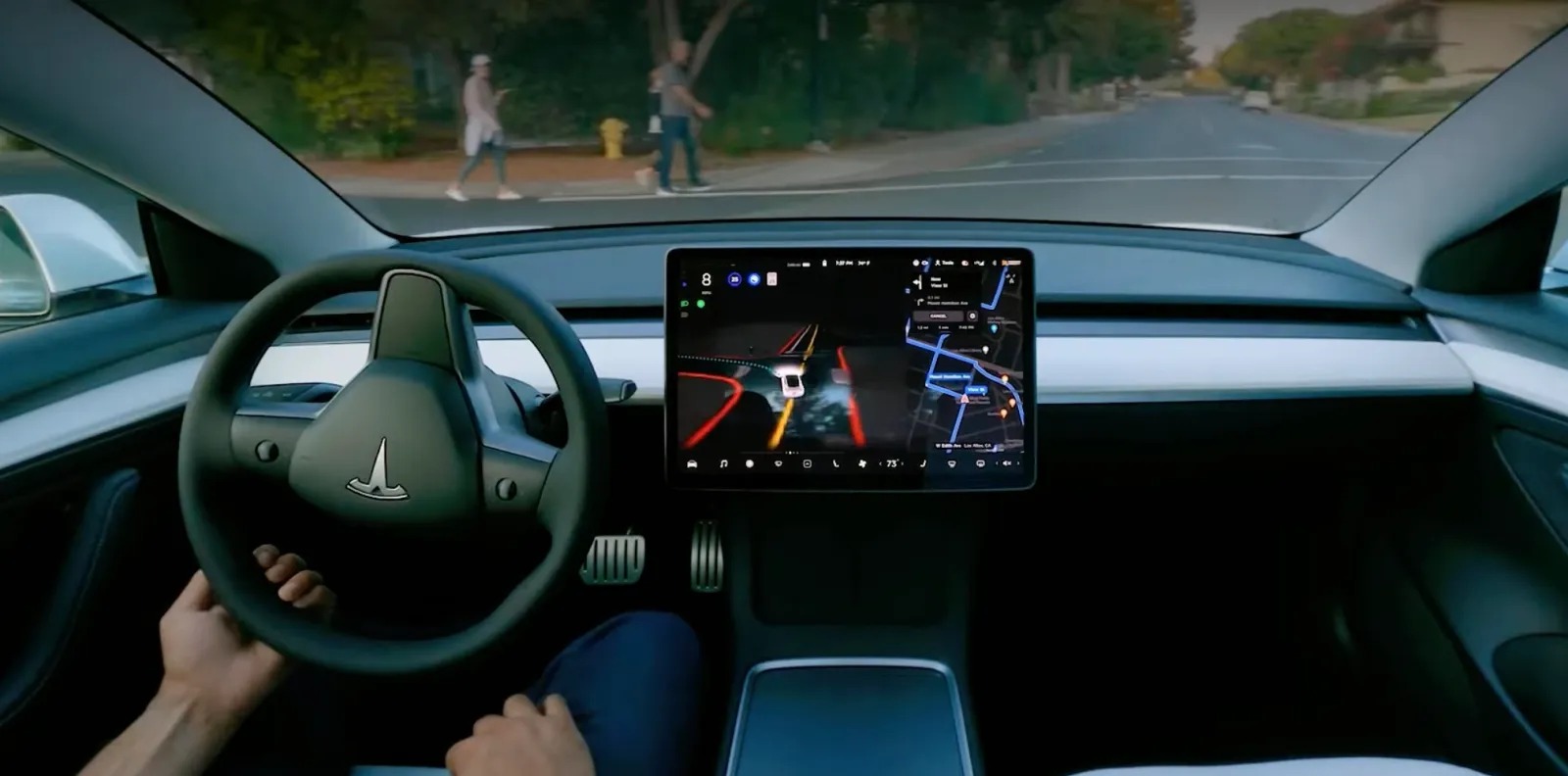
In February, Tesla changed FSD to a subscription-only model, and since then has been actively promoting user trials, including offering a one-year free subscription for orders of the new Model 3 and Model Y.
There is a reason for this urgency. Tesla disclosed in the third quarter that it had 1.74 million "active FSD subscriptions," and the company began to disclose this metric because it is used in Musk's 2025 CEO performance incentive plan. One of the milestones for this incentive is 10 million subscriptions. At the pace of the previous quarter, Tesla would approximately need another 8 years to reach this goal.
Free trials are not included in this figure, but paid subscriptions are. Therefore, every Turo car owner who continues to pay after the first month contributes to this statistic, and every tenant who is satisfied after the weekend experience may become a subscribed user in the future.
Supervision Issues
The press release for Turo makes extensive use of the terms "autonomous driving" and "driverless." It cites its own research indicating that 55% of Americans are interested in "driverless technology" while traveling, and this proportion rises to 71% among Generation Z; among those who are interested, more than one-fifth would be willing to spend 7 hours or longer in an autonomous vehicle.
However, FSD ( Supervised ) is not driverless. It is a level-two driving assistance system, and the person behind the steering wheel always bears responsibility. Even in the same press release, Haddad refers to it as “driving assistance technology.”
The tenant will get into a car that they have probably never driven before, and use a system that they have probably never used before either. The safety measures outlined in Turo merely suggest that users check Tesla's FSD documents and safety guidelines before picking up the car, and that's all.
Just two weeks ago, we saw the consequences of overconfidence: A driver told California Highway Patrol officers that he fell asleep while using FSD, and subsequently his Tesla collided with a patrol car in a closed lane area in Fairfield, California, resulting in serious injuries to two officers.
It is also not specified in Turo who will be responsible in the event of an accident when the tenant activates FSD: the tenant, the car owner, or the coverage plan of Turo.
Views of Electrek
This is essentially the “Tesla Network,” only it’s a supervised version. Since 2016, Elon Musk has stated that Tesla owners will be able to connect their vehicles to “Tesla Network” to provide transportation services for others and earn income.
This vision has been postponed for many years, and the best solution they can achieve at present is to combine Turo and FSD.
Popular comments on Indy
A few days ago, while I was driving on the highway, I caught a glimpse with the corner of my eye of a Tesla slowly overtaking me. I looked closer through the window and saw that a woman was sending text messages with both hands; she was hunched over completely, not paying any attention to the road at all. That car was clearly either in autonomous mode or she was so engrossed in her phone that she wasn’t paying any attention to driving.
I realized the irony in it: I was also staring at someone who wasn’t focused, and I myself wasn’t focused either. But what I ultimately concluded was that I’m not sure any system can protect those who choose to ignore their own basic safety (or the safety of others).
I let her pass by and maintained my own speed. I definitely don’t want to drive in front of a Tesla.
For Tesla, this should help with the popularization of FSD. Using FSD during weekend road trips is far more like a real test drive than driving around the neighborhood for 15 minutes with a Tesla consultant, and Turo has also gained a feature that no car rental company possesses.
However, although I don't want to dampen your spirits, I am indeed concerned about the issue of carelessness. Turo is promoting "autonomous driving" to travelers, while Tesla still refers to this product as " Full Self - Driving " in the United States, although it has abandoned this name in Europe after pressure from German regulatory authorities. Placing a tourist who has never used FSD in such a context, some might mistake them for a driver. That is precisely why you might encounter drivers falling asleep on the highway in the end.
At the very least, Turo should require tenants to complete a brief in-app tutorial before using FSD, and to clarify who is responsible in case of any issues. Tesla, which charges a subscription fee, should have the same requirement as well.
If spending a weekend in a rented Tesla convinces you to buy an electric car, then charging your electric vehicle with home solar power can bring the fuel costs down close to zero. With electricity prices rising by nearly 10% last year and expected to continue to increase, installing solar panels is one of the best ways to counter these rising costs. Moreover, through leasing and the PPA program, you can start with no down payment and immediately start saving money. If you want to find the best option, take a look at EnergySage. This is a free service, and hundreds of selected installers will compete for your business, so you can save 20% to 30% compared to searching on your own. There will be no sales calls before you choose an installer. Click here to get a free quote.
FTC: We use automated affiliate links that can generate income. For more information.