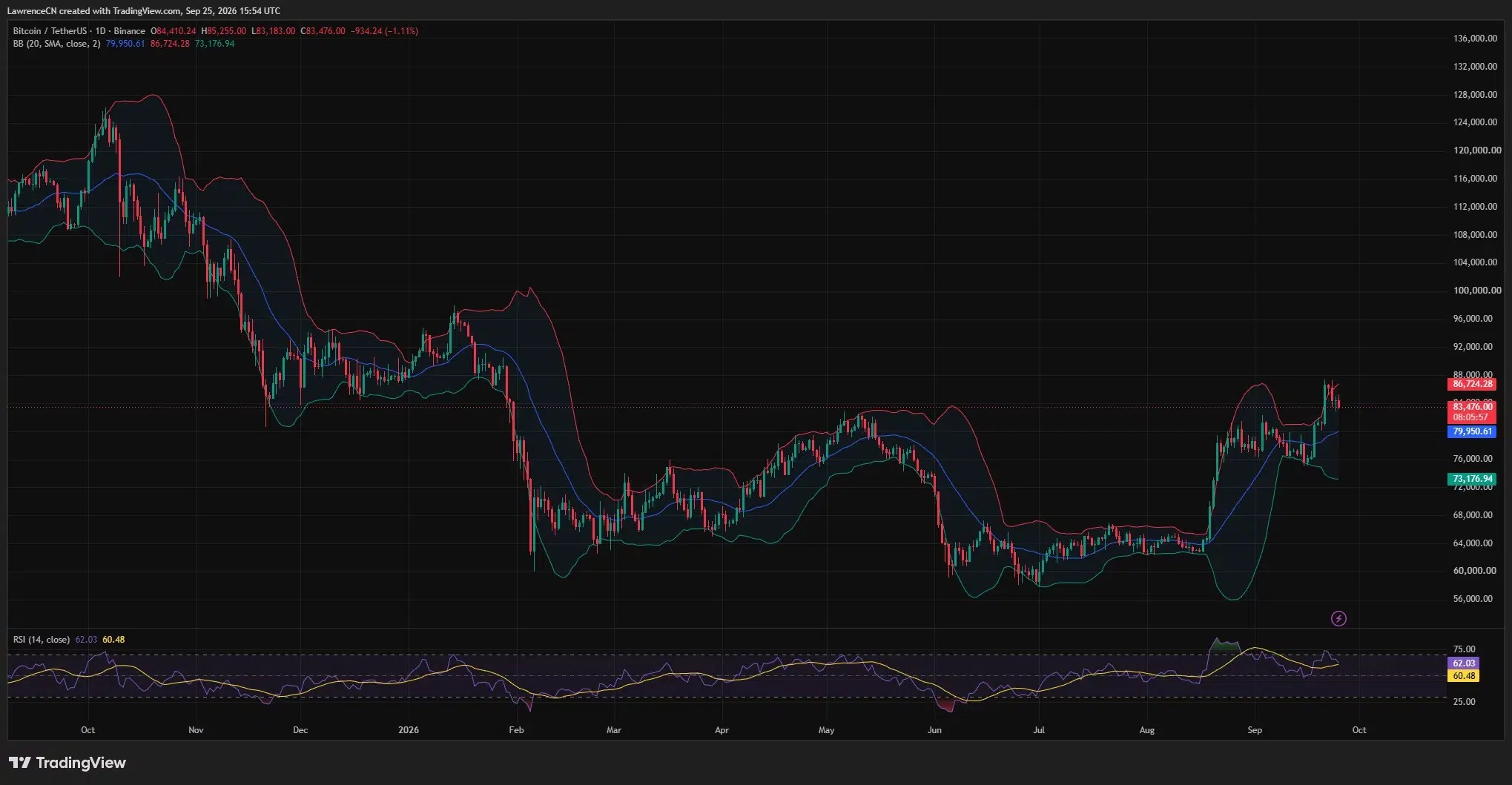
Bitcoin ETF saw a outflow of $643.2 million, marking the largest single-day withdrawal since June.
U.S. spot Bitcoin ETF recorded a net outflow of $643.2 million on October 30, the largest single-day withdrawal of funds since June. This reversed the previous four consecutive trading days of net inflows, turning the overall trend into a net outflow.
- BlackRock’s IBIT led the decline on Friday with outflows of $233.7 million, followed by Fidelity and ARK 21Shares.
- From October 26th to 30th, Bitcoin ETF experienced a total net outflow of $202.4 million, despite recording net inflows for four consecutive trading days prior to that.
- Ethereum funds saw an outflow of $155.7 million on Friday, bringing the total outflow for October to approximately $1.61 billion.
- Despite the latest round of selling, the cumulative net inflow into Bitcoin in the United States ETF remains above $57 billion.
According to Farside Investors data, Fidelity's FBTC saw outflows of $201 million on the last trading day of October, while ARK's 21Shares had outflows of $129.5 million. Grayscale's GBTC recorded outflows of $53.3 million, and investors also withdrew $25.7 million from Bitwise's BITB.
BlackRock, Fidelity, and ARK 21Shares together saw a net outflow of $564.2 million, accounting for approximately 87.7% of the day's total net outflows. The remaining seven Bitcoin products in the table did not record any positive inflows.
Bitcoin ETF outflows erase all buying orders for the week
Before the reversal on Friday, these funds accumulated a total of $440.8 million from October 26 to 29, as previously reported by crypto.news. The daily inflows started at $110.3 million on Monday, increased to $176 million on Tuesday, reached $137.3 million on Wednesday, and then slowed down to $17.2 million on Thursday.
On Friday, the outflows exceeded the total inflows of the previous four days by $202.4 million, turning what was originally a positive situation into a loss. The week before that, from October 19th to 23rd, the net inflows were $301.2 million.
However, BlackRock still recorded a positive value over the latest five trading day periods. IBIT absorbed $410.6 million in the first four trading days; therefore, after the redemption on Friday, there was still a net inflow of $176.9 million for the week.
Fidelity, on the other hand, showed the opposite trend. It recorded an inflow of $35 million in the early part of this week, but saw outflows of $201 million on Friday, resulting in a net outflow of $166 million for the entire week. ARKB had no capital flows in the first four trading days, so the outflow on Friday constituted its entire weekly loss.
The latest one-day outflow was slightly higher than the $635.6 million on October 22nd. Farside Historical charts show that there was an even larger outflow of $691.7 million on June 25th.
Despite BlackRock still achieving a net inflow on a monthly basis, the overall performance in October was negative.
Adding up the data of Farside rounded daily, Bitcoin ETF had a net outflow of 515.9 million US dollars in October. Before the last trading day, the month still maintained a net inflow of 127.3 million US dollars.
During the same period, IBIT attracted $932.1 million, while the remaining Bitcoin funds saw a total outflow of about $1.45 billion. Therefore, the redemptions on Friday weakened BlackRock's inflows for that month, but they did not completely erase them.
Divergences among issuers were evident before the latest round of selling. Another statistic shows that within 30 calendar days ending October 26, Bitcoin ETF saw outflows of $254.7 million, while IBIT had inflows of $961.9 million during the same period. Fidelity experienced outflows of $725 million within that earlier time frame.
Data from Farside shows that since its listing in January 2024, the cumulative net inflow of Bitcoin in the US ETF reached $57.048 billion. The cumulative inflow for IBIT was $66.31 billion, while the cumulative net outflow for GBTC was $28.049 billion.
Ethereum ETF saw $431.4 million outflows over five trading days
The Ethereum data table of Farside shows that $155.7 million flowed out on Friday, bringing the total daily outflow of Bitcoin and Ethereum to $798.9 million.
BlackRock’s ETHA saw outflows of $76.6 million, followed by Vanguard’s Ethereum Mini Trust with outflows of $34.1 million, and its ETHE product with outflows of $21.5 million. BlackRock’s ETHB had outflows of $19.5 million, Fidelity’s FETH had outflows of $3.3 million, and Morgan Stanley’s MSSE had outflows of $700,000.
Ethereum funds recorded negative values on each trading day from October 26th to 30th. The total outflow for the entire week was 431.4 million US dollars, compared to 220.7 million US dollars in the previous five trading days.
Throughout October, the rounded daily net outflow totaled 1.6072 billion US dollars. The selling pressure at the beginning of the month continued, with an outflow of 320.1 million US dollars occurring from October 12th to 16th.
Bitcoin falls below the ETF holding cost calculated by Glassnode.
CoinGecko data shows that on October 31st, Bitcoin was traded at around $77,364, with a 24-hour low of $76,337.84.
In a report dated October 28th, Glassnode estimated that the average purchase price of Bitcoin held by US spot ETF was $81,500. The institution also set the average cost basis for active investors, which is what they refer to as their “True Market Mean” indicator, at $77,900.
The Frederik Theissen of Glassnode indicates that before the outflow on Friday, the trading performance of ETF was sluggish. Since May, the average daily trading volume has been around 1.3 billion US dollars, and it dropped to 700 million US dollars on October 23rd, making it one of the least active trading days in its dataset this year.