

If you're considering purchasing Apple's first foldable screen iPhone, then you may have to wait a while before getting your hands on it.
At the financial report conference call on Monday, Apple's Chief Operating Officer Sabih Khan told investors that the company is unable to predict when the supply of the new iPhone Duo will be able to keep up with demand.
"We are very excited about the initial response to iPhone and Duo. For now, the supply of iPhone and Duo is limited," Khan said in response to a question from a JPMorgan analyst.
"The progress of increasing production capacity is going smoothly, and we are working hard to deliver this revolutionary new product to our customers as soon as possible," Khan added, "but it's really difficult to predict when supply and demand will reach equilibrium at present."
This Duo was released on October 23rd, with pre-orders starting on October 16th. The starting price of this foldable phone is $1,999, and when unfolded, it resembles a book with a screen size of 7.6 inches. Customers who placed orders online quickly faced a long wait; not long after pre-orders began, the estimated delivery time was postponed to late January 2027.

The shortage is not limited to Apple's latest smartphones.
"For the December quarter, we expect that Mac and iPad will also face supply constraints, mainly due to memory issues, as demand has exceeded our expectations," said Khan.
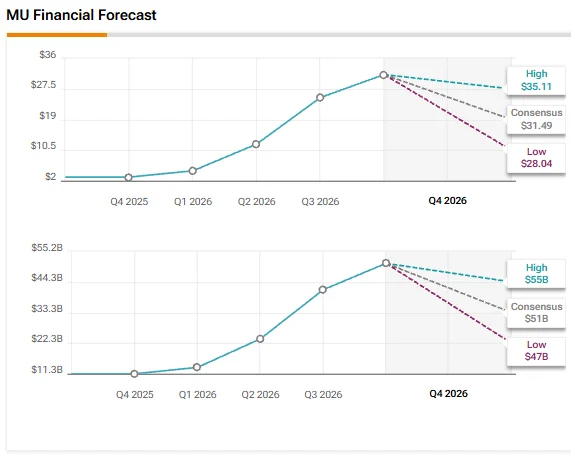
Apple is competing with tech giants that are investing substantial funds in AI data centers for memory supply. Business Insider previously reported that Samsung, SK Hynix, and Micron all supply chips for consumer electronics devices and AI infrastructure. As manufacturers shift their production capacity to the booming AI market, device manufacturers are facing tighter supply and higher costs.
These costs have begun to weigh on Apple. Chief Financial Officer Kevan Parekh stated during the earnings call that, excluding tariff refunds, both the company's gross margin and product gross margin would decline by about 1 percentage point quarter-on-quarter, with the main reason being the increase in memory costs.
Despite these supply shortages, Apple's overall performance this quarter was still strong. The company reported revenue of $114.5 billion, exceeding Wall Street's expectations, of which iPhone sales reached $57.58 billion.