CVS Health is preparing to split its healthcare business into two listed companies, separating its nearly 9,000 retail pharmacies from its insurance and pharmacy benefits management services. Reports indicate that the reorganization plan aims to be completed by the beginning of 2028 and will reverse the expansion efforts of CVS over the past years, which has turned the latter into one of the largest healthcare conglomerates in the United States.
This split was first reported by the Financial Times on November 4th.
After the split, CVS Pharmacy will form two listed companies.
According to the plan mentioned in the report, CVS will establish two independently operated businesses. The first one is CVS Pharmacy, which will manage approximately 9,000 retail pharmacies, as well as its mail-order pharmacy service, MinuteClinic outpatient clinics, and Health100 digital health platform.
The second company will retain the name CVS Health, which includes the health insurance company Aetna, pharmacy benefits management organizations CVS Caremark, Oak Street Health, Signify Health, as well as the specialty pharmaceutical business.
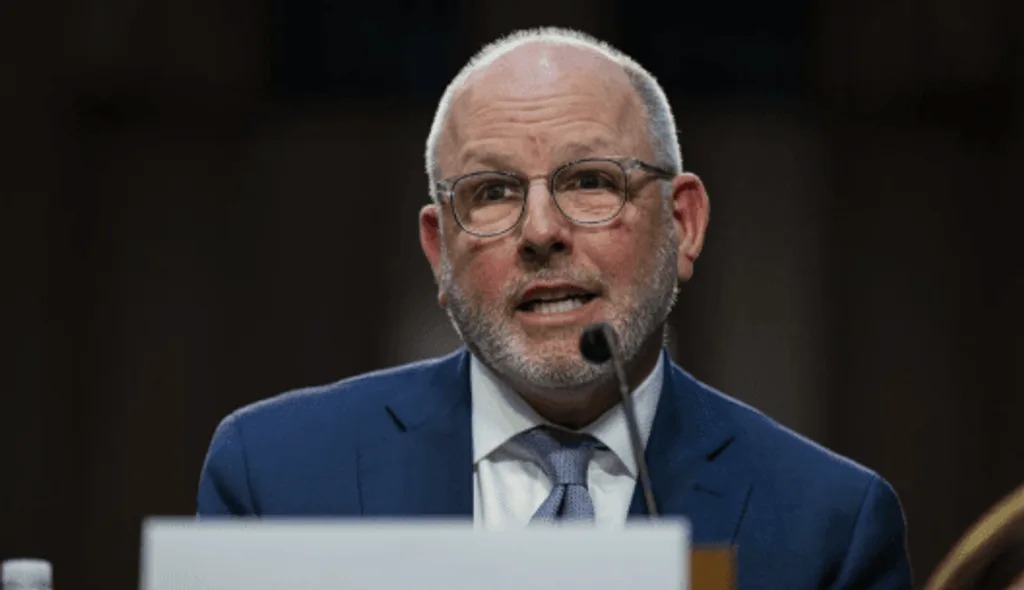
CEO David Joyner
This proposed split represents a major reversal from CVS's acquisition of Aetna for approximately $78 billion in 2018. The initial intention of that transaction was to integrate insurance, prescription services, and retail healthcare under the same organization.
Although the potential completion date was set for early 2028, the transaction structure and timing may still change.
CVS Health Why is it necessary to split it?
At the time of this reorganization, healthcare companies that simultaneously control pharmacies, insurance companies, and pharmacy benefits management organizations are facing increasing regulatory scrutiny. Legislators are concerned that this business model may give large integrated healthcare enterprises too much influence over the pricing and competition of prescription drugs.
At the same time, multiple business departments of CVS are also facing financial pressures. Aetna has been troubled by rising medical costs, while its retail pharmacy business is facing competition from online prescription services and a decline in customer footfall at physical stores.
However, Joyner clearly stated that regulatory pressure was not the reason behind this decision. He believes that an independent management team can operate the business more effectively.
After the split plan was announced, the stock price of CVS rose.
After the initial report was published, the stock price of CVS rose by about 3.3% during the regular trading hours on Tuesday and continued to climb in after-hours trading.
If the split allows both businesses to develop independent growth strategies and achieve valuations that are more in line with their respective operations, investors may benefit. However, analysts warn that splitting CVS could eliminate existing operational efficiencies and lead to additional expenses at the corporate level.
Investors are currently awaiting CVS to release its third-quarter financial report on November 4th.
Danielle Walgenbach
Danielle is a journalist who covers cryptocurrency and financial markets, with over four years of reporting experience. She is adept at breaking down complex financial and economic topics into clear, well-researched reports.