

Washington, November 20 (Reuters) / PRNewswire / — Danaher Corporation ( NYSE : DHR ) today announced a strategic partnership with Microsoft to support the development of intelligent scientific instruments and an interoperable agent-based ecosystem. This ecosystem will connect Danaher's internal technologies while remaining open to a broader laboratory ecosystem, helping scientists to move more quickly from scientific questions to experimental evidence.
The cooperation between the two parties aims to combine Danaher's expertise in science, workflows, and instrumentation with Microsoft’s AI technology to make experiment execution smoother and insights more readily available, thereby transforming discoveries into benefits for humanity.
The focus of this collaboration is to accelerate the development of a generic proxy platform for instrument control and insight generation. This platform is built on Microsoft technology: it utilizes Microsoft Azure to provide secure and compliant cloud infrastructure, and is driven by Microsoft Foundry to operate AI proxies, which are used to interpret results and guide instrument control. The goal is to achieve reuse and interoperability between different technologies, enabling specialized products to be built on a shared foundation, while still being open to proxies and digital solutions in multi-supplier laboratories.
While both parties continue to develop this platform, the first batch of commercial applications will be launched this year for Danaher's customers, including MetaXpress Acquire AI Assistant. This is software designed for Molecular Devices's high-content cell imaging systems, aimed at providing product support. Danaher's next generation of agent-based instruments that utilize this platform are scheduled to be launched in 2027.
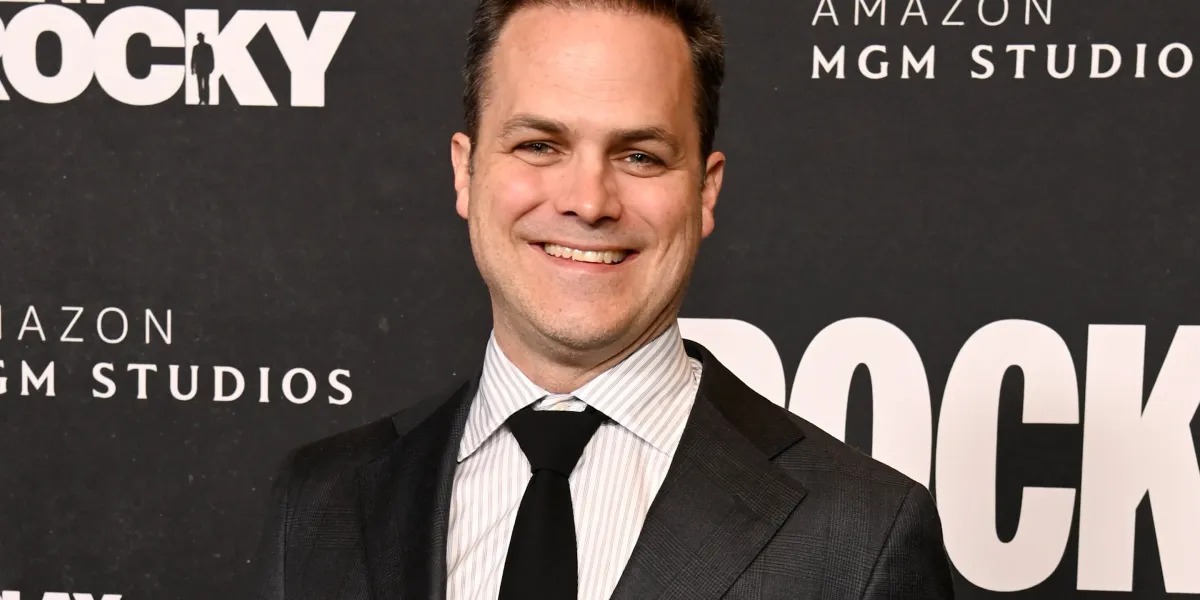
“Danaher’s businesses bring profound scientific and instrumental expertise to our customers every day,” stated Julie Sawyer Montgomery, President and CEO of Danaher. “After collaborating with Microsoft, we are establishing a common foundation that allows our instruments and laboratories to work together in a coordinated manner, like an interconnected Danaher network. Through context and learning, this foundation can continuously provide information for the next experiment and optimal analysis. This collaboration is an important step towards making laboratories not only interconnected but also intelligent.”
As part of the collaboration, the design goal of these intelligent, proxy instruments is to support scientists in completing four key activities:
- Transform scientific intentions into experimental plans, instrument settings, and methods.
- Control of instrument hardware within established security boundaries and under user supervision, while also providing guidance for execution and troubleshooting.
- Real-time interpretation of results and identification of quality issues
- Recommend corrective actions and next steps for experiments after review by scientists
AI Auxiliary instruments are designed to simplify complex scientific workflows. In preliminary internal tests, a novice scientist used AI assistance to conduct experiments on a Leica microscope, reducing the required time by up to 83% and the number of steps by up to 68%. At the same time, the experiments still produced high-quality data, and the completion time was comparable to that of experts.
"Danaher's scientific expertise, combined with Microsoft's AI platform, is aimed at providing scientists with more choices and control, as well as allowing them to devote more time to discovery," said Deb Cupp, Microsoft's Executive Vice President of Worldwide Enterprises and Chief Revenue Officer. "This collaboration is in line with our goal of helping to transform AI into a real-world impact."
This collaboration aims to advance Danaher's broader AI and autonomous science strategy by connecting the intelligence of instruments with data, laboratory workflows, and the physical execution of experiments. Intelligent instruments are just the first step. As instruments and laboratory systems become more interconnected and interoperable, Danaher believes that experimental results can help scientists determine what to do next, supporting increasingly interconnected and autonomous workflows under scientific supervision, thereby driving discoveries.
Forward-looking Statements and Other Information
The statements in this press release are not strictly historical facts. Any statements regarding events or developments that we believe may occur or are expected to occur in the future are considered “forward-looking” statements as defined by the U.S. Federal Securities Laws. There are numerous factors that could lead to significant differences between actual results, developments, and business decisions and those implied or described in such forward-looking statements. Therefore, reliance on any such forward-looking statements should not be excessive.These factors include, but are not limited to: the impact of tariffs and related measures implemented by the United States and other countries; the impact of our debt obligations (including debts incurred for the acquisition of Masimo Corporation) on operations and liquidity; the deterioration or instability of the global economy, the markets we serve, and financial markets; uncertainties related to the development, deployment, and use of artificial intelligence in our business and products; the impact of global public health crises; uncertainties related to national laws or policies, including those intended to protect or promote domestic interests and/or to address foreign competition; our ability to successfully identify and complete appropriate acquisitions and strategic investments; our ability to integrate acquired businesses and achieve expected growth, synergies, and other benefits; contingent liabilities and other risks associated with acquisitions, investments, strategic relationships, and divestitures (in each case including risks related to the acquisition of Masimo), including tax and other contingent liabilities related to past and future IPO, splits, or spin-offs; the contraction or growth rate and cyclical nature of the markets we serve; competition; our ability to develop and successfully market new products and technologies and expand into new markets; the possibility of improper behavior by employees, agents, or business partners; our compliance with applicable laws and regulations (including those related to off-label marketing and other regulations in the medical devices and healthcare industry); the results of clinical trials and market perception; our ability to effectively respond to cost cuts and other changes in the healthcare industry; the risk of security vulnerabilities or other interruptions in information technology systems, or violations of data privacy laws; risks related to impairment of goodwill and other intangible assets; exchange rates; tax audits and changes in tax rates and income tax liabilities; changes in tax laws applicable to multinational corporations; litigation, regulatory proceedings, and other contingent liabilities, including intellectual property and environmental, health, and safety matters; and the U.S. government's rights over our production capacity in states of national emergency.Or rights to intellectual property/production capacity developed using government funds; risks related to product, service, or software defects, product liability, and recalls; risks associated with manufacturing operations; the impact of climate change, legal or regulatory measures to address climate change, and other sustainability issues, as well as our ability to meet regulatory requirements related to climate change and other sustainability issues or expectations of stakeholders; risks related to fluctuations in the cost and availability of supplies (including commodities) we use and the labor force required for operations; our relationships with channel partners and their performance; uncertainties related to third-party cooperation arrangements; the impact of reduced regulation on demand for our products and services; labor issues and our ability to recruit, retain, and motivate outstanding employees; economic, political, geopolitical, legal, compliance, social, and business factors in the United States and outside of the United States (including elections, regulatory and policy changes or uncertainties, government shutdowns, and the impact of military conflicts such as those in the Middle East); disruptions and other effects caused by human and natural disasters; inflation, and the impact of the exclusive court clauses in our charter. For more information on factors that could cause significant differences between actual results and these forward-looking statements, please refer to our SEC documents, including the 2025 annual report Form 10-K and the 2026 third quarter Form 10-Q quarterly report. These forward-looking statements are as of the date of this press release, and except as required by applicable law, the company assumes no obligation to update or revise any forward-looking statements due to new information, future events, developments, or other reasons.
About Danaher
Danaher is a global leader in life sciences, diagnostics, and biotechnology innovation, committed to harnessing the power of science and technology to improve human health. Through an interconnected ecosystem composed of industry-leading businesses, the company collaborates closely with its customers to accelerate the discovery, development, and delivery of life-changing therapies, addressing many of the most complex scientific challenges. With the support of Danaher Business System and its 60,000 employees worldwide, the company strives for continuous improvement, operational excellence, and "innovation at the speed of life." For more information, please visit www.danaher.com.