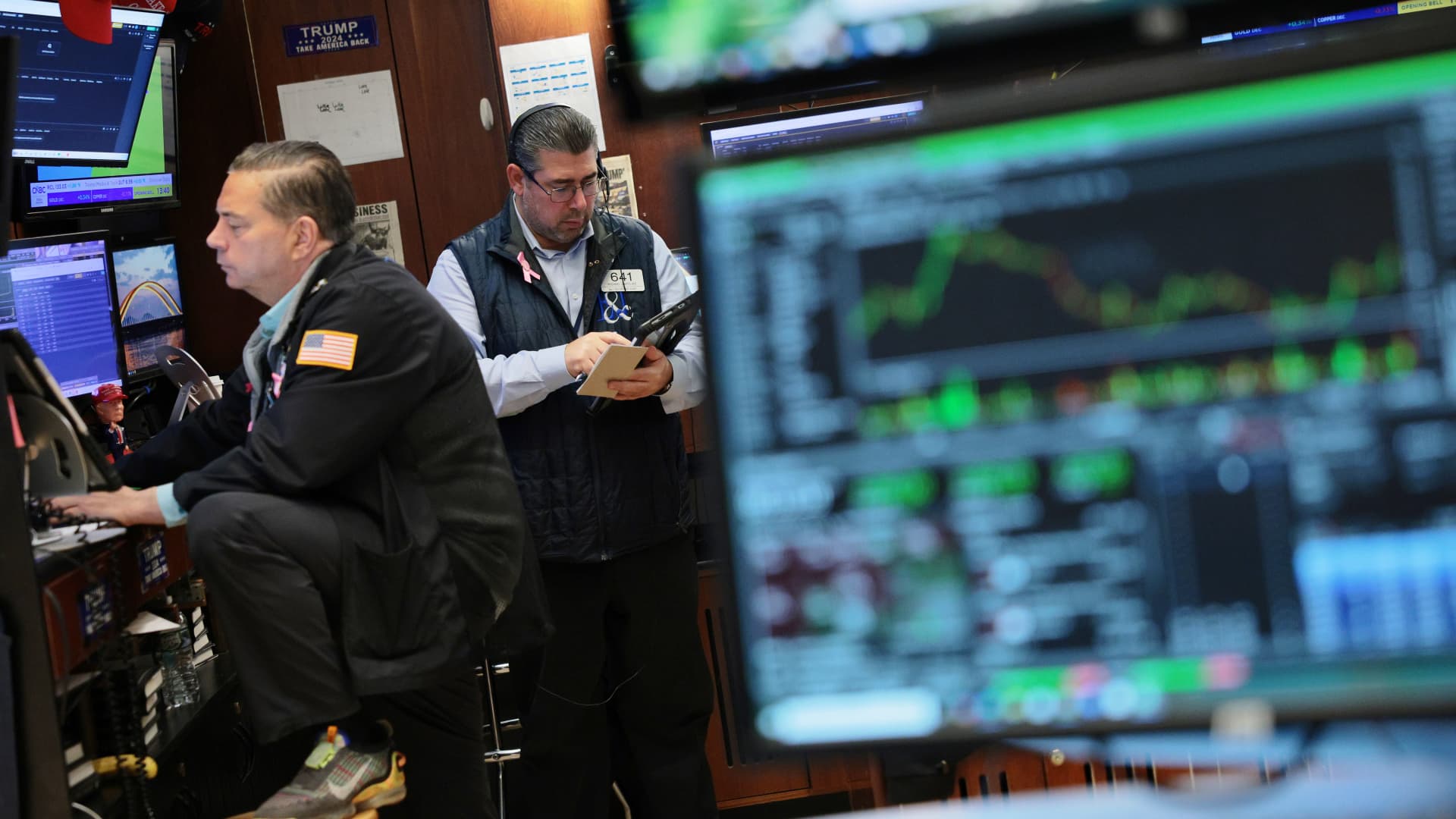














U.S. Treasury yields rose in the early trading on Monday, partially reversing the price trend from last weekend. Meanwhile, U.S. stock futures indicate a strong rebound on Wall Street is expected, and investors are also awaiting a speech by John Williams from the Federal Reserve of New York.
The yield on 10-year U.S. Treasury bonds – a key benchmark for mortgage loans, student loans, and credit card debt – rose by 4 basis points to 4.959%.
The yield on 2-year U.S. Treasury bonds, which are most sensitive to the Federal Reserve's short-term interest rate decisions, rose by 7 basis points to 4.689%. The yield on 30-year U.S. Treasury bonds, which usually respond most noticeably to geopolitical developments, rose by 3 basis points to 5.335%.
One basis point is equal to 0.01%, and the yield rate moves in the opposite direction to the price trend.
Recent economic data, as well as the hawkish remarks from Federal Reserve policymakers, have strengthened market expectations for further interest rate hikes. New York Fed Chair John Williams is scheduled to speak later on Monday.
According to CME Group’s FedWatch tool, traders currently estimate a 96% probability that the Federal Reserve will raise the federal funds rate by 25 basis points in December, up from about 92% last Friday.
The correction value of GDP to be announced on Wednesday is expected to confirm that the U.S. economy grew by 3.4% in the third quarter, according to the predictions of Trading Economics. In contrast, the growth rate in the second quarter was 2.2%.
The U.S. Core Personal Consumption Expenditures Price Index ( Core PCE ) for October, which measures potential inflation, will also be released on Wednesday. Analysts expect this indicator to rise by 0.3% month-on-month, remaining the same as in September.
Calculated on an annual basis, the core PCE inflation rate in September accelerated from 3% in August to 3.1%, reaching the highest level since May. This has intensified market concerns about further increases in energy costs putting pressure on inflation, and has fueled expectations of interest rate hikes in order to bring inflation back down to the Federal Reserve's target of 2%.