South Korea plans to lift the token issuance ban that has been in place for nearly a decade
Decrypt
23m ago
Ai Focus
The Financial Services Commission of South Korea has proposed a bill to end the token issuance ban that has been in place since 2017, allowing local projects to issue and sell tokens to the public for the first time in nearly a decade. The proposal also sets civil, financial, and criminal liabilities for false disclosures, and includes broader regulatory reforms such as rules for Korean won-stabilized coins and limits on the shareholding of exchanges.
Helpful
No.Help

South Korea is proposing to end a nine-year ban on initial coin offerings (ICOs), with the aim of bringing crypto financing back to the domestic market, creating jobs, and bringing token sales under a regulated framework.

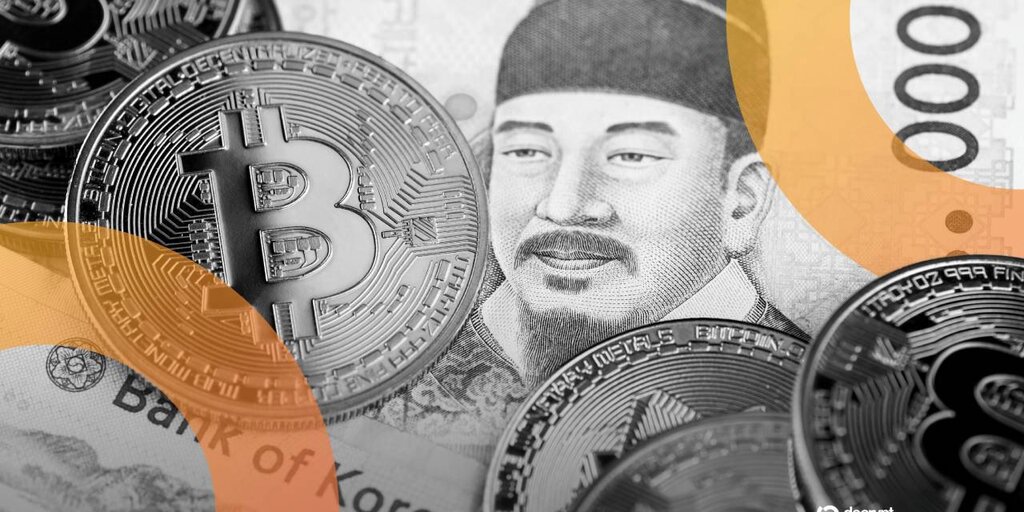
The Financial Services Commission of South Korea ( FSC ) announced on Tuesday a draft bill titled "Digital Asset Industry Innovation and User Protection Act," aiming to overturn the ban implemented in September 2017. At that time, the regulatory authorities prohibited token issuance due to concerns regarding fraud, speculation, and investor losses.

If the bill passes, local projects will be able to issue and sell tokens to the public for the first time in nearly a decade.

According to this proposal, any issuer must submit a "Digital Asset White Paper" to FSC before selling tokens. The white paper must explain the project details, how the raised funds will be used, how many tokens will be issued, and the associated risks. If the disclosed information is false or omitted, the issuer and its senior management will face civil compensation, financial penalties, and possible criminal prosecution; this liability mechanism is modeled after the information disclosure rules for stock issuance.

The conclusion reached by the regulatory authorities is that this ban has not actually been effective. To a large extent, it has forced Korean projects to establish entities overseas and conduct token sales through these entities. Game developers Wemade and Netmarble are among the more well-known companies that have chosen this overseas approach. FSC stated that their goal is to bring such activities, as well as the resulting investments and jobs, back to Korea.

The reversal of the token issuance ban is just part of this comprehensive reform. The same bill will also limit stablecoins denominated in Korean won to be issued only by consortia that hold a majority stake in commercial banks; set a maximum shareholding limit of 20% for any single major shareholder in crypto exchanges, which can be increased to 34% under certain conditions; extend market manipulation rules to transactions between cryptocurrencies; and divide the market into several regulated vertical sectors, covering exchanges, trading, brokerage, custody, and asset management.

This shift is in line with the broader global trend towards regulated token financing, as the United States and other countries are establishing frameworks that provide a clearer legal foundation for crypto issuers. For South Korea, this also marks a significant change. South Korea is one of the most active retail crypto markets in the world and has long been characterized by both enthusiastic trading and strict regulations.

However, this proposal is currently still just a draft. It will next be submitted to the National Assembly, and the relevant changes will only take effect after approval by the legislators. Therefore, the specific timeline and the final form of the rules are still to be determined.

Tip
$0
Like
0
Save
0
Views 11
HQYC reminds readers to view blockchain rationally, stay aware of risks, and beware of virtual token issuance and speculation. All content on this site represents market information or related viewpoints only and does not constitute any form of investment advice. If you find sensitive content, please click“Report”,and we will handle it promptly。
Submit
Comment 0
Hot
Latest
No comments yet. Be the first!
Related
Microsoft's stock price drops 7% in a month; global disruptions trigger “Code Red”
After a global service disruption in November, Microsoft launched an internal "_Code Red_" plan. Affected by this incident and the broader sell-off in tech stocks, the stock price of MSFT fell to around $493, a decrease of about 7.5% from the closing price on October 26, and at one point broke below the psychological barrier of $500.
Coinpaper
·2026-11-25 03:28:01
1
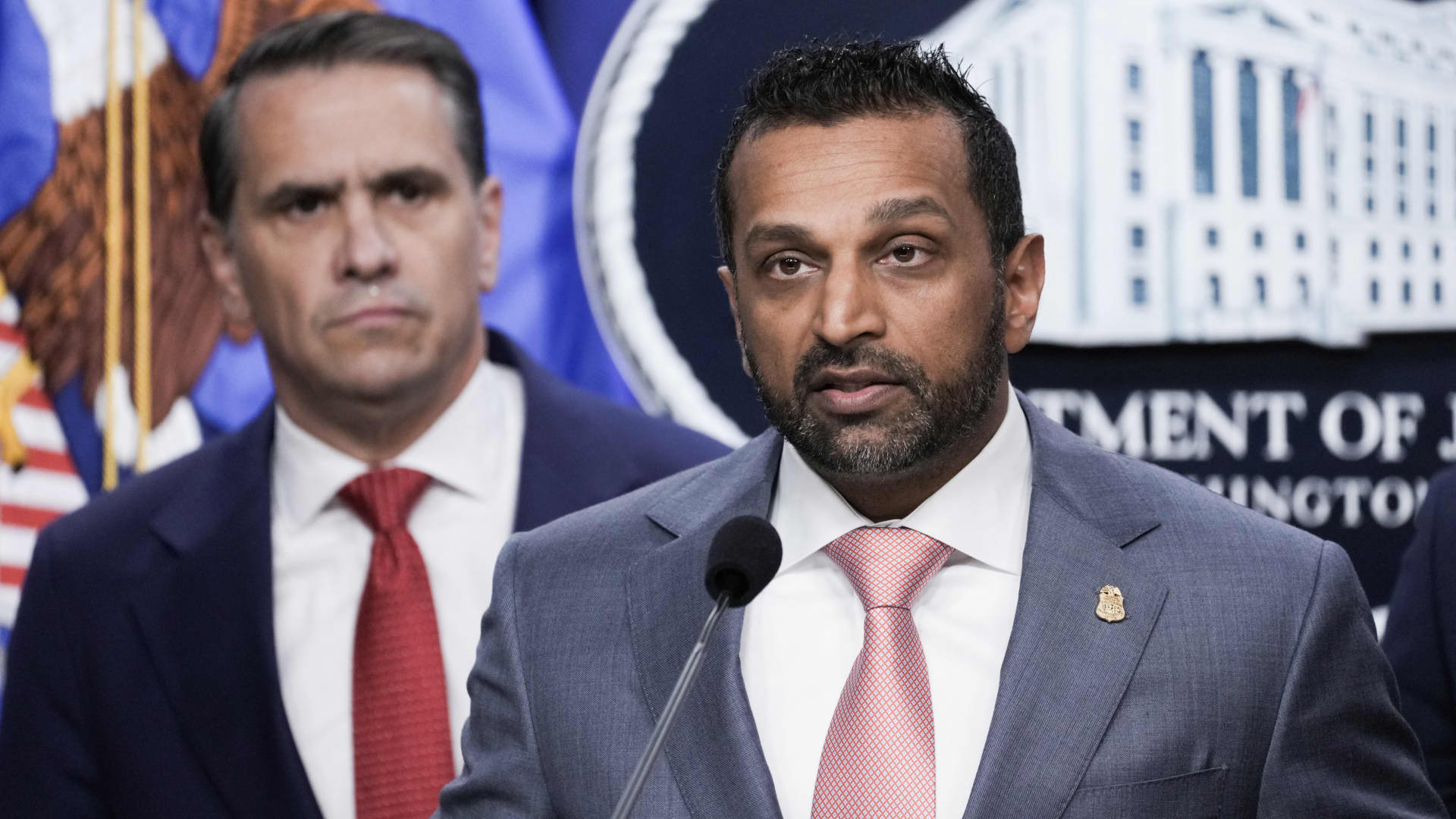
Branch and Director FBI Pat avoided answering questions regarding the investigation into Jensen Huang.
U.S. Attorney General Todd Blanche and Director of the FBI Bureau Kash Patel avoided answering questions regarding the conclusions of the investigation into NVIDIA CEO Jensen Huang on Tuesday. Previously, Trump claimed that he had communicated with multiple people before pushing for NVIDIA's board of directors to reinstate Huang as CEO, and stated that the investigation indicated that Huang "had not done anything wrong." NVIDIA stated that after receiving opinions from senior U.S. government officials, the board was convinced that Huang's reinstatement would not pose a national security risk.
CNBC
·2026-11-25 03:25:05
4
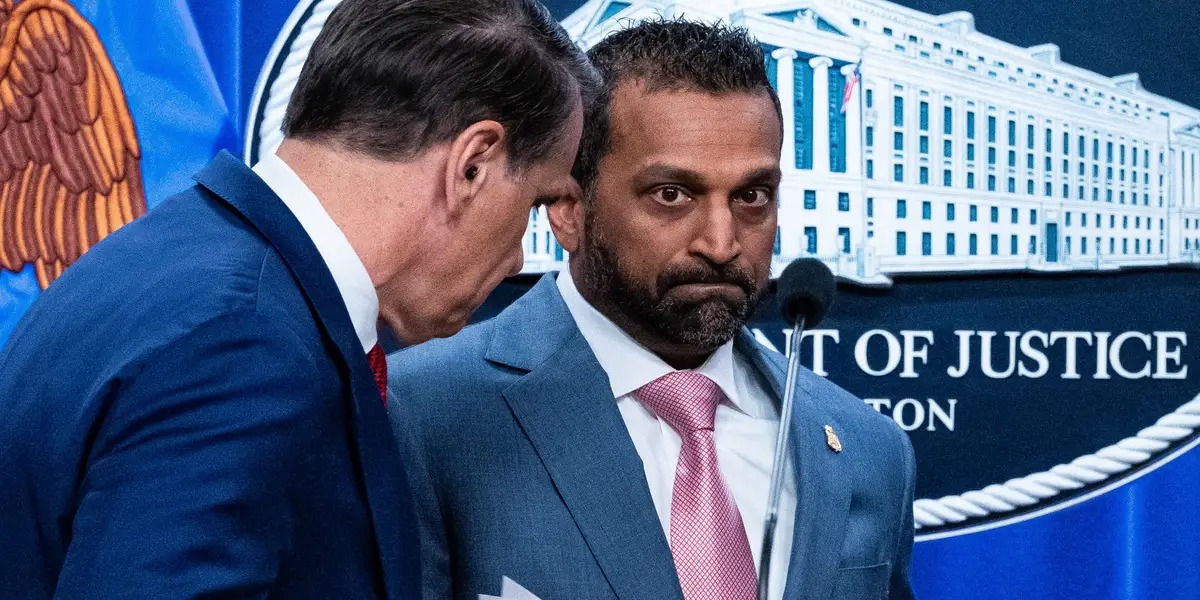
Justice Department's Blanch on the Jensen Huang investigation: NVIDIA is a law-abiding company
U.S. Attorney General Todd Branche stated at a press conference that he would not discuss the investigation targeting NVIDIA CEO Jensen Huang, and referred to NVIDIA as "a law-abiding company." FBI Director Kash Patel also refused to respond to questions regarding communication with Jensen Huang. Previously, Trump claimed that the government's investigation had cleared Jensen Huang of any allegations of misconduct.
Businessinsider
·2026-11-25 03:15:57
2
What does Microsoft’s “Code Red” mean to users of Outlook and Teams?
Reuters, citing an internal memo, reported that after service disruptions on November 12th and 13th, Microsoft launched an "Code Red" initiative to reorganize its methods for preventing and handling major service failures. This approximately 24-hour outage affected 365 services including Exchange Online, Outlook, Teams, Copilot, and other Microsoft services. Microsoft stated that the issue stemmed from an undiscovered scalability flaw in Windows introduced in July, and it was not related to cyberattacks or AI proxies.
Coinpedia
·2026-11-25 03:08:37
9
Solana Treasury Company Increases Holdings by 1.1 Weeks in a Row, Now Holding 2.62 Million SOL
DeFi Development Corp claims that its Solana treasury has increased to approximately 2.62 million SOL and equivalent assets, representing the 11th consecutive week of growth. In the SEC document dated November 23, the company disclosed that from November 16 to 20, it added about 5,180 SOL and equivalent assets. It also mentioned that Solana recently underwent network upgrades, including the retirement of the mainnet beta name, a consensus upgrade of Alpenglow, and the deployment of Firedancer.
Coinpaper
·2026-11-25 03:08:25
11
View More