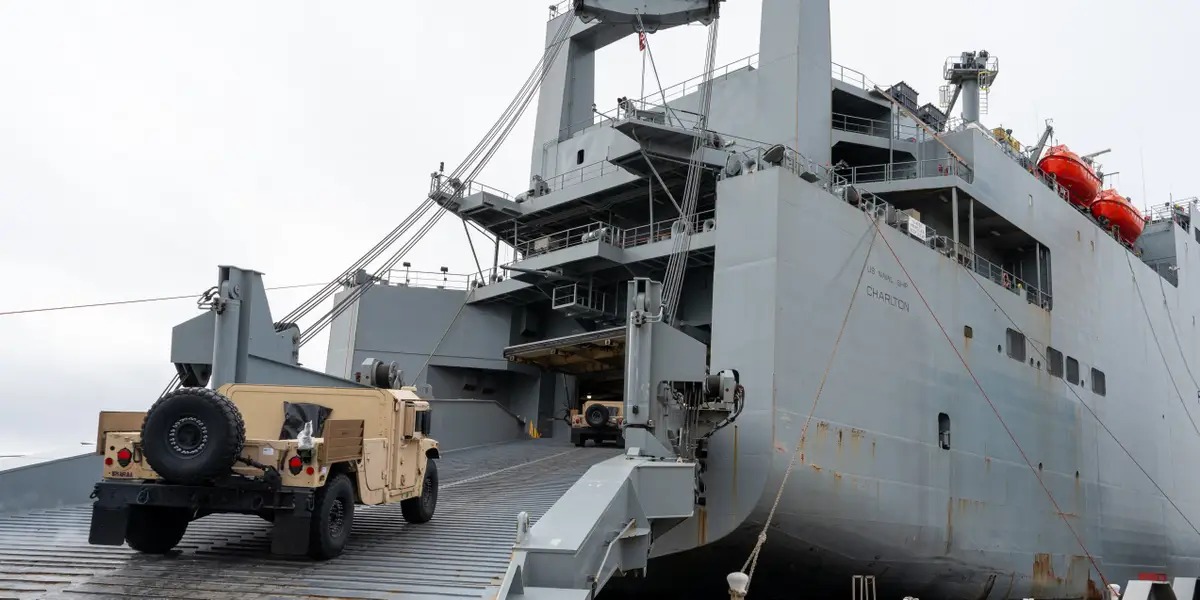


The U.S. Army tested whether it could still maintain communication with relevant troops after simulated attacks on U.S. ports and the normal networks were cut off, in order to practice how to deploy troops overseas in the event of attacks on critical infrastructure within the country.
During a recent homeland defense exercise held in Fort Justus, Virginia ( Fort Eustis ), the 597th Transportation Brigade of the Army used alternative communication methods to establish contact with troops from South Carolina and Texas. According to an Army press release, the exercise simulated both physical and cyber attacks, causing military and commercial networks to go offline and resulting in "catastrophic communication disruptions" at key deployment hubs.
Soldiers must restore access to a critical system that is used to track military supplies transported by air and sea. Losing this connectivity could make it more difficult to track equipment, ensure that it arrives at the correct ports and ships, and to transport troops overseas as planned.
The Army stated in a press release that the exercise was successful, but did not provide more details about the system's ability to withstand stress, nor did it clarify whether there were any persistent challenges.
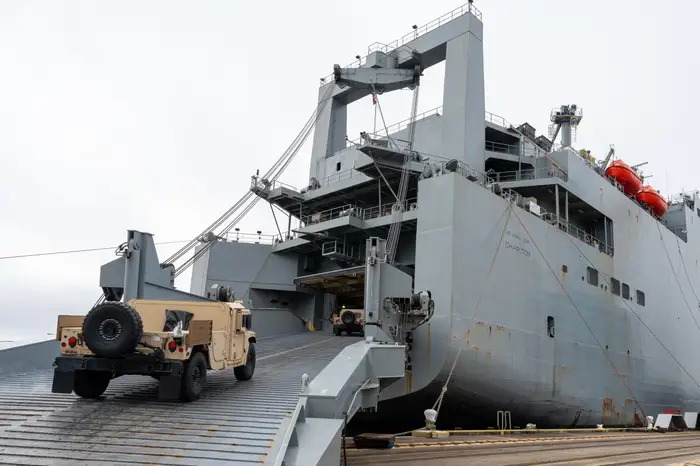
In March, General Randall Reid ( Randall Reed ), the Commander of the US Transportation Command, told members of Congress that over 85% of the United States' combat forces are stationed on American soil. This makes it crucial for the military to be able to rapidly deploy troops and equipment in the event of major conflicts or national emergencies.
Reid wrote in his testimony: “A mobile force that loses connectivity threatens the ability of joint forces to win.” He called for the establishment of communication systems that can withstand interference and cyberattacks.
Threats are not limited to military networks. Potential adversaries may also target the civilian infrastructure that the U.S. military relies on. Some American military experts have described the current threat landscape as the "end of the era of strategic sanctuary."
In February 2024, US cybersecurity and intelligence agencies warned that hackers affiliated with Volt Typhoon, which is linked to China, had infiltrated critical infrastructure, including transportation and communication networks, and were prepared to cause destruction during major crises or conflicts. Recently, there was also a power outage in the refrigeration system of a military canteen, which is believed to be related to a malicious attack.