Key Points
- Neuralink has obtained the approval of FDA to initiate the key research of LINK.
- More than 30 participants have already undergone brain implants.
- Clinical trials bring Neuralink one step closer to potential commercialization.
Elon Musk's neurotechnology company Neuralink has received approval from the US Food and Drug Administration ( FDA ) to initiate its LINK key research ( LINK Pivotal Study ), which marks an important milestone in the development of implantable brain-computer interfaces ( BCI ).
According to the official announcement released on November 25th by Neuralink, this study will evaluate the performance of this technology in patients with severe paralysis caused by amyotrophic lateral sclerosis (ALS).
Meanwhile, as this regulatory progress unfolds, Musk continues to expand his technological footprint across multiple industries, including artificial intelligence, robotics, and a potential merger between Tesla and SpaceX worth 3.5 trillion dollars.
Neuralink is closer to commercial brain implantation
LINK This research represents a further advancement based on earlier studies, which involved participants from the United States, Canada, and the United Kingdom.
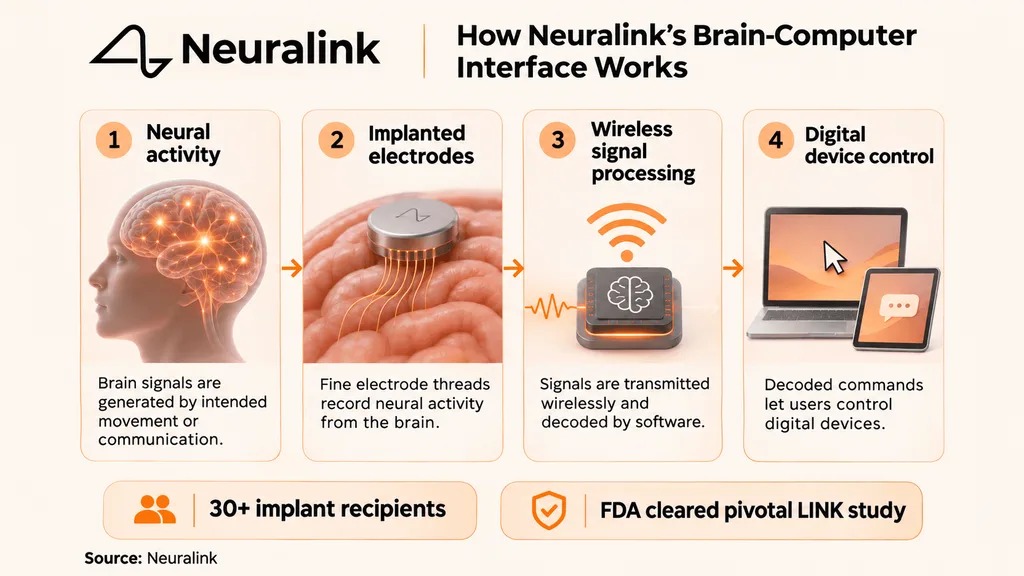
Neuralink Previous studies have involved over 30 implant recipients, accumulating thousands of hours of actual usage experience.
This new trial will investigate whether participants are able to operate electronic devices independently, as well as whether the system remains safe and reliable over a longer period of time.
Unlike preliminary feasibility studies, key clinical trials are typically aimed at generating evidence that can support subsequent commercial authorization applications.
How does Elon Musk's Neuralink brain chip work?
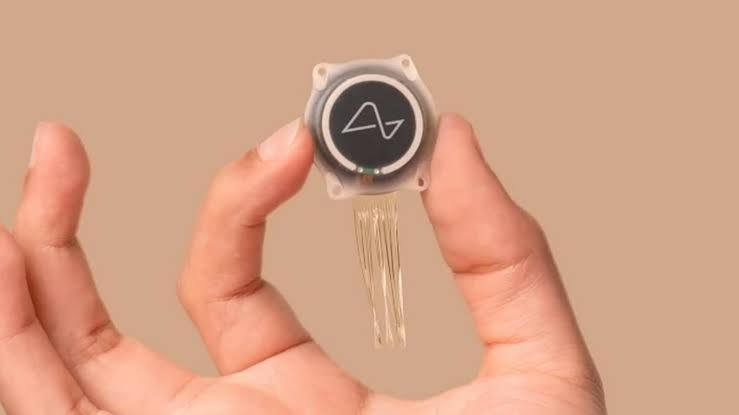
According to the company's technical documents, the system includes rechargeable batteries, a custom low-power processor, as well as a specialized surgical robot responsible for implanting electrode wires.
This technology holds the promise of enabling people with severe physical disabilities to use computers and communication tools without the need for traditional physical control devices.
This development echoes Musk's broader interests in integrating intelligent software with physical systems, ranging from autonomous vehicles to robotaxi and advanced computing infrastructure.
However, the regulatory and engineering challenges faced by implantable medical devices are quite different from those of traditional consumer technology.
Neuralink Will it become Musk's next major business?
As Musk expands the commercial footprint of his other tech businesses, the progress of Neuralink is also advancing, including SpaceX's artificial intelligence business as well as its growing satellite connectivity business.
Unlike the rapid deployment of artificial intelligence software or Starlink services, commercial neurotechnology requires extensive clinical validation, specialized medical infrastructure, and long-term monitoring of patients.
As brain-computer interfaces move from experimental applications to broader use, cybersecurity, neural data privacy, and device durability may also become increasingly important. These challenges add another dimension to Musk's broader discussions regarding AI security and technical regulation.
Author: Maya Bennett
Maya Bennett is a financial journalist with experience reporting on cryptocurrencies, stocks, and broader market trends. Her areas of focus include Bitcoin, major digital assets, the stock market, monetary policy, as well as economic developments that influence investor sentiment. She is adept at transforming rapidly changing market news into clear and concise reports.