Market Overview
At 21:30 on Wednesday before the market opened, inflation data was released. The annual rate of the U.S. core PCE price index for October was 3.3%, the highest level since November 2023, with market expectations of a slight increase from 3.2% the previous month. The monthly rate of the U.S. core PCE price index for October was 0.3%, remaining unchanged from the previous month, in line with market expectations. The number of people claiming unemployment benefits as of the beginning of the week of November 21 was 189,000, compared to an expected 200,000, and the previous figure was revised from 203,000 to 202,000.
After the data was released, the declines in the three major stock index futures widened. As of press time, the Dow Jones futures fell by more than 1%, the Nasdaq futures fell by more than 3%, and the S&P 500 index futures fell by more than 2%.
(The following is the market condition before the release of PCE data)
International oil prices strengthened, with WTI crude oil futures rising by 0.3% to $2.30 per barrel, and Brent crude oil futures rising by 0.2% to $88.96 per barrel.

Funds are flowing into U.S. Treasuries, causing yields to fall across the board; the yield for 10-year U.S. Treasuries is around 4.85%.
Gold fell 1.25% to $3,546.3 per ounce, silver dropped 2.45% and briefly fell below the $40 mark; Bitcoin was trading at around $58,700.
$Semiconductors ($LIST2015.US) lead the gains so far, but have seen a collective slump. AMD, Arm, and application materials have fallen by over 6%. Lamina Research and Micron Technology have dropped by nearly 6%, while NVIDIA has fallen by 5%. ASML, Intel, and TSMC have fallen by over 4%.
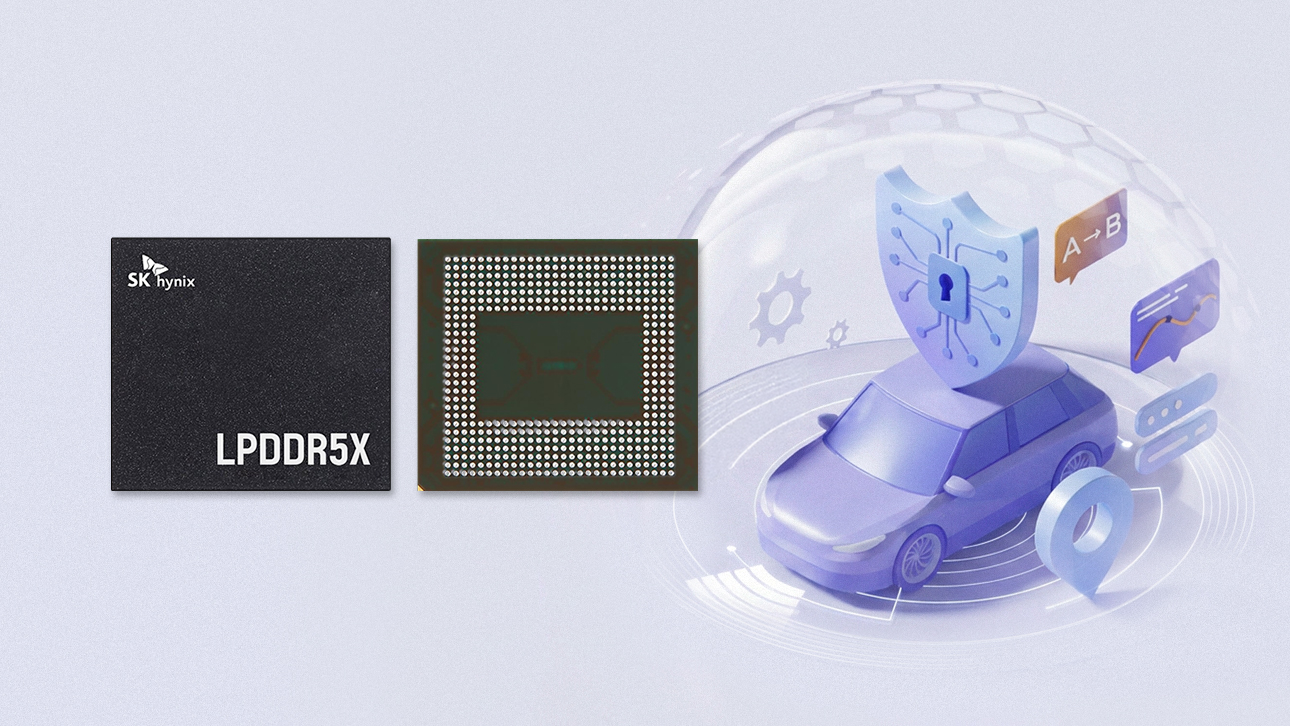
$Storage Concept ($LIST23925.US)$ tumbles with increased trading volume today; Sandisk and Micron Technology fell by over 6%, Western Data, SK Hynix, Seagate Technology, and Transcend Technology fell by over 5%, while Micron Technology of the US fell by nearly 5%.
$Optical Communications ( LIST23979.US )$ is collectively weakening at the current time. Astera Labs, Credo Technology, AXT Inc, Applied Optoelectronics have fallen by more than 6%, Ciena, Lumentum, and Micron Technology have fallen by nearly 6%, Corning has fallen by 5%, and Coherent has fallen by more than 4%.
$ IDC concept ( LIST2521.US )$ and AI computing power servers saw a general decline before the market opened. CoreWeave, NEBIUS fell by over 7%; Dell Technologies fell nearly 7% after its earnings report. IREN Ltd, HPE, Applied Digital, TeraWulf, Core Scientific all fell by over 5%. Oracle, Hut, and Supermicro fell by over 4%.
$ AI application software stocks ($ LIST23492.US ) are generally declining at the current time. Workday has tumbled nearly 8% after earnings, Autodesk ($ MongoDB ) has fallen 5%, while CrowdStrike, Palantir, Palo Alto Networks, Datadog, Zscaler have all fallen more than 4%, and Snowflake has fallen nearly 4%.
Individual Stock News
NVIDIA Jensen Huang Apologizes to Employees for the First Time After Return; Stock Price Loses Some of Its Rebound Gain
According to Reuters and Bloomberg, Jensen Huang, the CEO of $NVIDIA ($NVDA.US), apologized to employees at his first meeting with all staff after returning to his position. He acknowledged violating some of the company's codes of conduct and stated that he would improve his behavior and management style. Sources familiar with the matter also said that Jensen Huang denied that his reinstatement was a result of Trump exerting pressure on the board of directors, stating that the board made its decision after evaluating the facts. NVIDIA had previously officially announced the restoration of Jensen Huang's roles as president, CEO, and director, which took effect immediately. After a significant rebound on the previous trading day, NVIDIA closed down 5.86% on Tuesday and continued to face pressure before trading on Wednesday. In addition to the stability of the management, the company's scrutiny regarding the flow of advanced chips and export restrictions remains an important background for the subsequent developments of this governance incident.
Dell AI server revenue grows by 291%, with backlogs rising to $132.3 billion
Dell Technologies ($DELL.US) announced its financial results for the third quarter of fiscal year 2027, with revenue increasing by 103% to $54.9 billion year-on-year, and adjusted earnings per share rising by 265% to $9.45. Among this, AI optimized server sales reached $22 billion, a year-on-year increase of 291%. The company received new AI orders worth $60.2 billion during the quarter, and the backlog of AI orders at the end of the period rose to $132.3 billion. The company has raised its full-year revenue forecast to $202 billion and added authorization for $25 billion in stock repurchases. Chief Operating Officer Jeff Clarke stated that the company will conduct strict reviews of customer quality as well as their capabilities in obtaining funds, land, and electricity. Currently, over 7,500 customers have deployed Dell AI factories. The financial report also shows that revenue from customer solutions involving personal computers only increased by 3%, while operating profit decreased by 6%; infrastructure business has become the main source of growth and profit.
On the fourth trading day of its listing, Anthropic fell below its issue price, wiping out all of its gains from the first day.
According to MarketWatch and Reuters, the stock price of $Anthropic (ANT.US)$ fell to 75.61 dollars on Tuesday, ultimately closing down about 6.5% at 81.91 dollars, below the initial issue price of 83 dollars. The company went public on November 19th with its first transaction price at 111.50 dollars, and within just four trading days, it had already lost all of the gains made at the time of its initial public offering. The closing price on Tuesday was approximately 26.5% lower than the first transaction price at the opening. This decline occurred at a time when tech stocks were under pressure again, with NVIDIA and several other AI infrastructure companies also experiencing declines during the same period. As the developer of Claude, Anthropic has become an important reference for the valuation of large model companies in the public market since its listing, and its stock price movements are also closely watched by investors in the AI industry chain. This fall below the issue price further highlights that there are still significant fluctuations in the prices of new stocks after they go public.
HP accounts for nearly 60% of shipments with AI PC; facing both pressure on storage costs and declining profits
$HP ( HPQ.US )$ announced revenue of $16 billion for the fourth quarter of fiscal year 2026, a year-on-year increase of 9.3%, and adjusted earnings per share of $0.83, a year-on-year decrease of 10.8%. Interim CEO Bruce Broussard stated that AI PC now accounts for nearly 60% of personal computer shipments, and the company is taking measures to address the pressures of memory and storage costs. Personal systems business revenue increased by 14% year-on-year, with an operating margin of 3%, while printing business revenue decreased by 1%. HP expects adjusted earnings per share to range from $3.15 to $3.45 for fiscal year 2027, with free cash flow of $2.9 to $3.1 billion, and has raised the quarterly dividend to $0.31 per share. Notably, the adjusted earnings per share for this quarter include a $0.15 benefit from tariff refunds, which is higher than the previously estimated $0.08, and this is also an important factor in understanding this earnings performance.
Wal-Mart integrates with Muse for shopping, Amazon negotiates to lift the blockade
According to an official announcement released by Walmart, the company officially integrated its self-built "Agent-specific Gateway" ( Walmart Agent Gateway ) with the Muse AI agents under Meta ahead of the "Black Friday" shopping season. This integration allows consumers to request AI to search for products, create shopping carts, and complete payments within preset limits and authorized amounts. At the same time, it strictly prohibits external agents from accessing bank card information or complete shopping records. Additionally, according to a report by Fortune magazine citing informed sources, Amazon, which has been blocking AI shopping crawlers since September, is currently in negotiations with Meta regarding allowing Muse to access the Amazon shopping website. The main disagreement between the two parties lies in how to handle product search results and ad distribution. The agreement still requires final approval from the CEOs of both companies. As of press time, Walmart's stock price is slightly up, while Amazon's stock price has fallen by more than 3%.
UBS cuts Micron's target price in half, worried that storage demand has peaked
An analyst from BNP Paribas in France, Karl Ackerman, released a report in which they downgraded the rating of Micron Technology ($MU.US)$ from "outperforming the market" to "neutral", and cut the target price from $1,700 to $775. The report warns that delays in US data center approvals, a reduction in the NVIDIA Vera Rubin Ultra architecture's HBM capacity, and the release of new wafer production capacity will move the supply-demand balance point for DRAM and NAND from mid-2028 to mid-2027. As a result, their profit forecast for Micron in 2028 is about 45% lower than the market consensus. On the same day, market research firm TrendForce TrendForce reported that demand for consumer-grade DRAM is weakening, and the spot price of mainstream DDR4 fell by 1.6% week-on-week. Coupled with cloud providers cutting back on some purchases, this has led to a downward revision of the expected increase in the contract price for next year. As of press time, shares of SanDisk and Micron Technology were down more than 6%, while Western Data, SK Hynix, and Seagate Technologies were down more than 5%.
Tonight, PCE and GDP will make their appearances in the datasets, with the market focusing on whether inflation will continue to pick up.
At 21:30 Beijing time tonight, the United States will release the October Personal Consumption Expenditures Price Index and the third-quarter GDP revision figures, which will serve as an important macroeconomic catalyst before the holiday. The market expects that the overall PCE year-on-year growth rate will rise from 3.6% to 3.8%, and the core PCE year-on-year growth rate will rise from 3.1% to 3.2%. According to pre-market reports by Reuters, interest rate futures indicated a 97% probability of a 25-basis-point interest rate hike in December and a 63% probability of a further hike in January next year. Against the backdrop of already relatively tight policy expectations, tonight's data will further test the sustainability of inflationary rebound and influence investors' judgments regarding subsequent interest rate hikes and their duration. The U.S. markets are closed on Thursday for Thanksgiving, and the concentrated release of important data makes market pricing before the holiday even more scrutinized.
U.S. consumer confidence has rebounded significantly, and the economy's resilience provides support for tightening expectations.
The World Federation of Large Enterprises announced that the U.S. consumer confidence index rose to 103.3 in November, a significant increase of 11.4 points from 91.9 in October. The current situation index, which reflects the current business and employment conditions, rose by 13.7 points to 132.8, while the expectations index, which reflects future income, business, and employment prospects, rose by 9.9 points to 83.6. This survey covered the period from November 1st to 17th and indicated that consumers' evaluations of the current environment and future prospects have improved simultaneously. Strong confidence data coexists with market concerns about a rebound in inflation. According to Reuters, these results reinforce investors' bets that the Federal Reserve will continue to raise interest rates. The personal income and consumer spending data to be released next will provide further evidence to determine whether this improvement in confidence can be translated into actual demand.
Goldman Sachs says market sentiment has dropped to its lowest level since April last year, with historical data showing contrarian signals
Goldman Sachs' latest report indicates that the firm's "Sentiment and Positioning Indicator" has dropped to its 36th percentile in history, the lowest level since April 2025, reflecting increased volatility and a weakening risk appetite among investors. Strategists Christian Mueller - Glissmann noted that historically, when this indicator is between the 30th and 40th percentiles, the average returns of the S&P 500 index over subsequent periods tend to be higher than normal, and the performance after it falls below the 30th percentile is even more pronounced. Meanwhile, the implied positions in options on technology and semiconductor stocks are near five-year lows, and the ratio of bearish to bullish options has also risen significantly. However, hedge funds still exhibit a trend of increasing overall leverage and decreasing net exposure. The report reflects potential opportunities based on historical statistics, but it is not yet possible to determine the bottom of the current market cycle based on these findings.
Ganglak warns of a US debt crisis, gold approaching bottom
DoubleLine CEO Goulak warned in a recent public interview that after the U.S. federal debt exceeded $40 trillion, its annual growth rate has risen to $3 trillion. In fiscal year 2027, the deficit ratio is expected to reach GDP's 9%. The gap in the social security fund, combined with the compounding effects of high interest rates, could lead to an earlier outbreak of the U.S. debt crisis between 2029 and 2030. By then, the only options left will be debt restructuring and inflationary measures such as printing money. As for commodities, JPMorgan Chase stated in its 2027/28 metal outlook report that due to U.S. destocking and increased production in Indonesia, copper and aluminum prices are expected to fall to $11,000 per ton and $2,500 per ton respectively; however, gold, after a correction of over 30%, is near its bottom and is expected to begin to recover in the second quarter of 2027, with a target price of $4,500 per ounce by the end of the year. As of press time, gold futures have fallen by more than 1%, and silver futures have fallen by more than 2%.
US Stock Macro Calendar Reminder
(The following times are Beijing time)
21:30 US October Core PCE Price Index, US Third Quarter Real GDP, and the number of people receiving unemployment benefits as of the beginning of the week of November 21
23:00 Annualized total new home sales in the United States for October, US crude oil inventories as of the week ending November 20 EIA
Edit / rocky

Risk and Disclaimer Notice