

The MiCA encrypted registry of ESMA will be migrated to a searchable web platform, which will be equipped with automatic checking functions and a white paper archive, around the middle of 2027.
Key Points
- National regulatory authorities will submit updates through a web interface.
- The white paper will be directly hosted on the platform, with a version history maintained.
- The launch time depends solely on the progress of technical development.
The MiCA encrypted registry of ESMA will eliminate the need for email submissions.
ESMA indicates that the planned platform will replace the current manual submission method based on email, transitioning to a structured web interface. Regulatory authorities in various countries will use this platform to provide and update records for the entities and white papers under their supervision.
According to ESMA, the timeline for this alternative system reflects the progress of technical development, rather than the end of the transitional arrangements outlined by MiCA or the result of ongoing regulatory reviews. The target date is around mid-2027, not a fixed launch date.
White Paper Archives and Automatic Verification
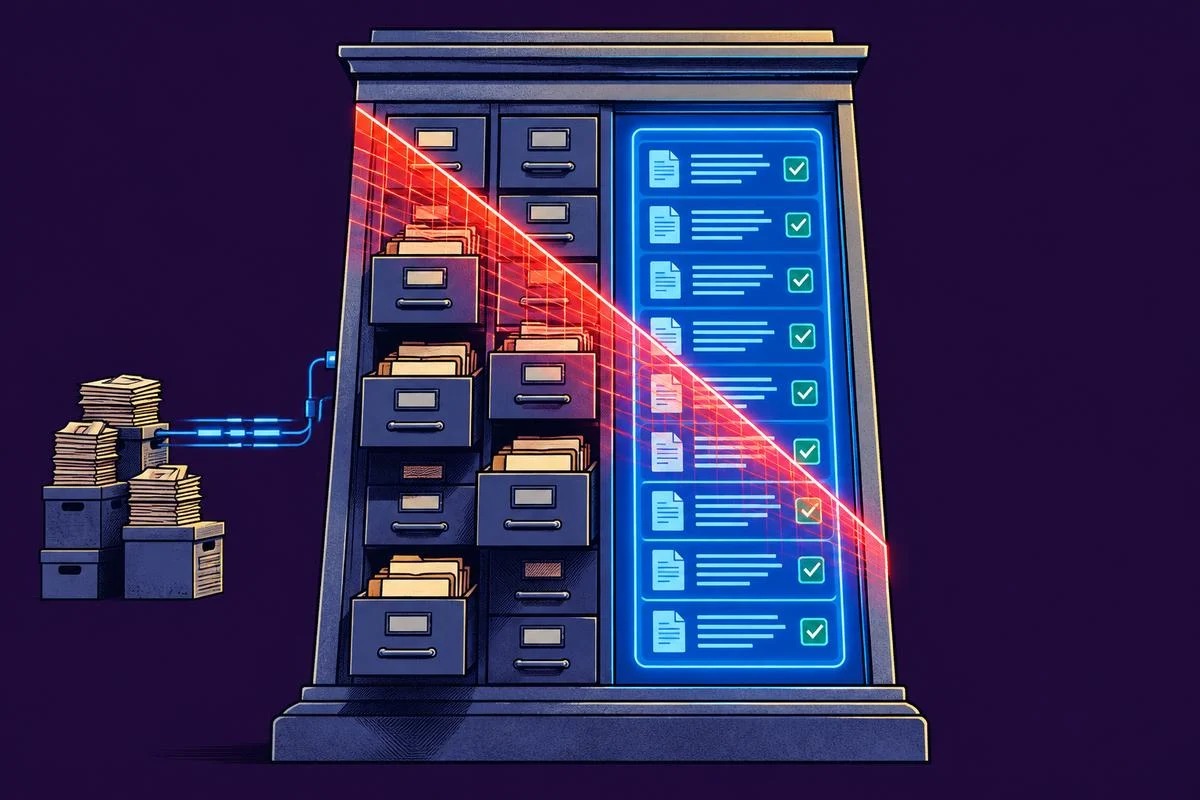
The new registry will directly host the whitepapers and maintain a version history for each document. The current temporary system relies on links to the files on the issuer's website.
The white paper contains information regarding crypto assets, their issuers, and related risks. Retaining archived versions will enable users to compare the disclosed content at different time points, rather than just viewing the files available under the current links provided by the issuers.
To verify the data, the platform will compare the records with a reference database, which includes the Global Legal Entity Identification Code Foundation (GLEIF) registration database. This is a database of global legal entity identification codes.
The white paper will also undergo technical checks under the ESMA standardized submission framework. These checks are aimed at identifying missing mandatory information and files that do not meet format requirements.
Users will be able to download registry data as CSV files, or obtain the data through the application programming interface ( API ).
MiCA Public Authorization Verification after the Transition Period Ends
The MiCA encryption registry of ESMA can be used as a public reference to verify whether an encryption company has been authorized by the European Union. The transition period for MiCA ended on July 1, 2026. Service providers that have not been authorized must gradually withdraw from their operations within the EU; otherwise, they will face enforcement actions, including fines of several million euros.
The registry covers authorized crypto asset service providers, whitepapers, token issuers, as well as entities that have been marked as non-compliant. As of November 2026, the registry lists over 400 authorized service providers, with Germany having the highest number of authorizations. These service providers include exchanges, brokers, and custodian institutions, which are required to obtain MiCA authorization in order to provide services to EU customers.
The category of issuers is relatively small in scale. The category of electronic currency tokens – which includes stablecoins pegged to a single official currency – contains 50 entries, involving approximately 25 different entities. The category of asset-backed tokens – which refer to tokens that are backed by a basket of assets or other targets besides a single currency – does not have any authorized issuers.