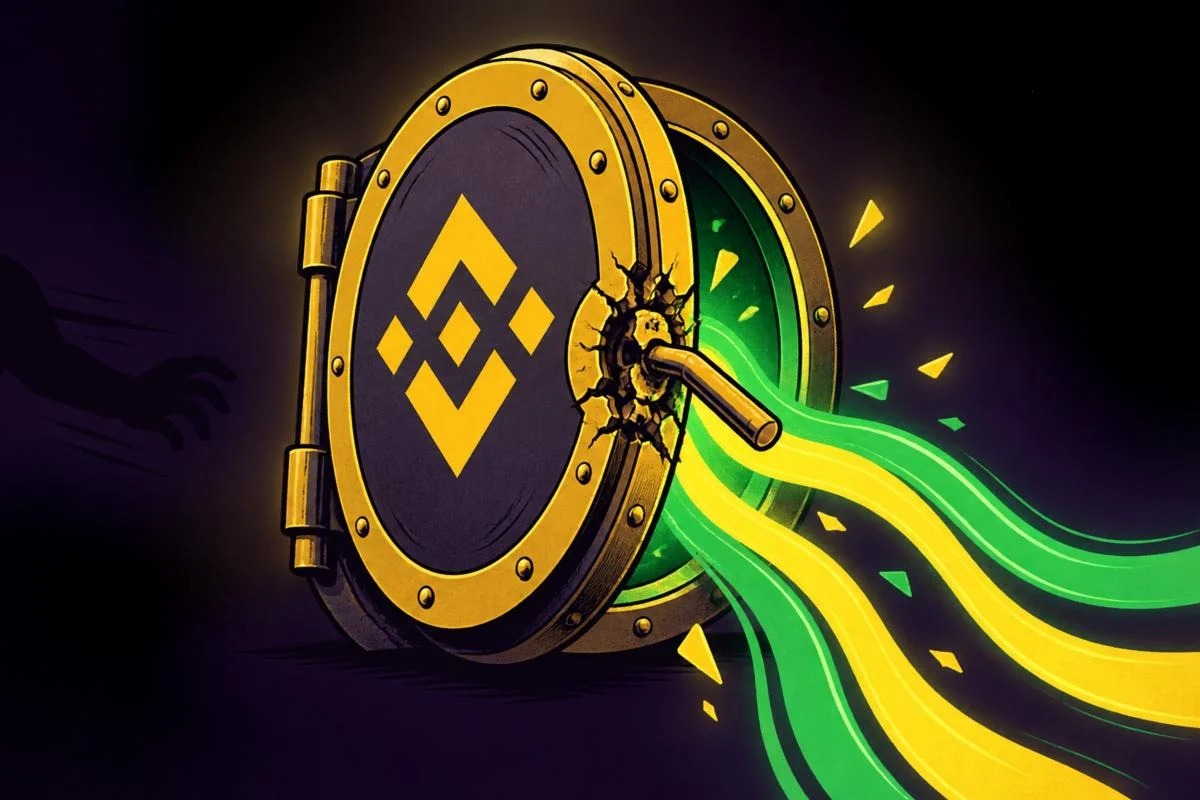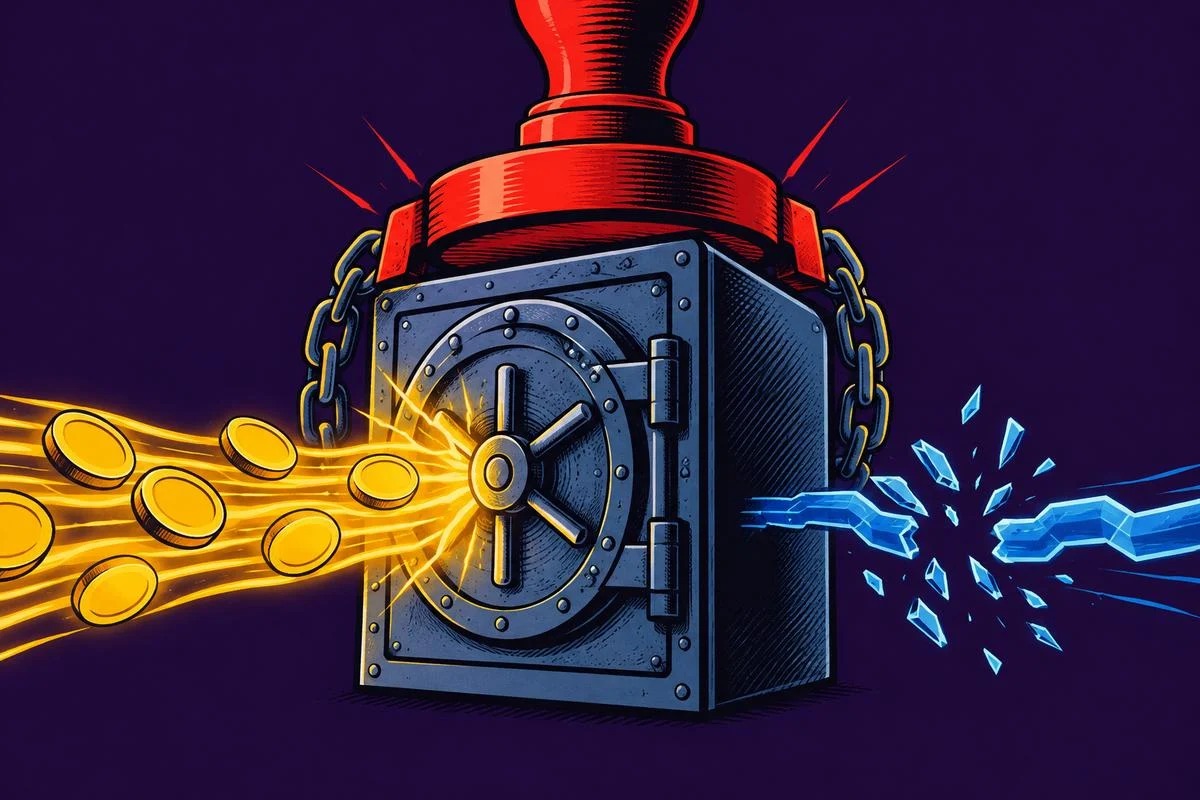


On November 26, 2026, Binance resumed withdrawals, nearly a month after the $6.3 billion theft that occurred on October 29. The exchange stated that all withdrawal restrictions related to the hacking incident had been lifted, although there are still a few networks that are temporarily suspended for maintenance or upgrades.
Binance claims that it has used its own funds to cover the affected assets; however, the stolen cryptocurrency assets continue to circulate.
Withdrawal restart will be carried out in phases.
On November 1, 2026, Binance began to resume withdrawals, with Bitcoin being the first asset to be restored. During the suspension period, deposits remained available at all times. The initial plan covered some assets across 15 networks, and before each asset and network was restarted, security and stability checks were conducted first.
Binance stated that within the first 9 and a half hours, customers withdrew $4.65 billion and deposited $1.01 billion, resulting in a net outflow of $3.64 billion. Subsequently, the volume of withdrawals declined after the initial surge.
Binance stated that as of the week of November 14th, another 87 networks were restored. The company mentioned that the remaining maintenance and upgrade pauses only affect a very small portion of normal withdrawal traffic and are not related to the recovery from the hacking incident. Customers can check the availability by asset and network on their network status page.
The company's funds replaced the stolen assets.
Binance stated that it has utilized a total of over $6.34 billion from the company's treasury, user protection fund, and futures insurance fund to cover the affected assets. The company purchased alternative tokens through market transactions and over-the-counter trading platforms.
The exchange stated that the funds contributed from its futures insurance fund come from sources with capital levels exceeding the requirements for risk management. Binance also pledged to rebuild its user protection fund to approximately $1 billion.
At midnight on November 12th, at UTC, a reserve snapshot recorded 198 types of tokens; Binance stated that the relevant cryptographic proofs were generated on November 14th to ensure that users had at least 1:1 asset support. Binance also promised to provide compensation for customers who held affected tokens that are no longer supported and have been processed through the delisting procedure.
Despite the freezing measures, the stolen funds are still in circulation.
On November 26th, Onchain Lens observed that another $35.52 million in Ethereum was transferred out of wallets related to this hacking incident, and estimated that the remaining unfrozen balance is around $1.9 billion.
U.S. authorities and private companies have collectively frozen over $2.7 billion in stolen crypto assets, and the U.S. Department of Justice has also obtained court approval to seize more than $1.2 billion.
Reports show that over $600 million in stolen assets were transferred through the cross-chain exchange THORChain; while Chainalysis and Elliptic estimate that nearly $342 million in profits may have been transferred via the coinjoin mixer, a tool used to combine multiple users' transactions.
FBI Attribution and the alleged intrusion point
FBI attributed this theft to North Korean hackers and confirmed the existence of the TraderTraitor organization on October 31, while also calling for the blocking of addresses related to the attack. Binance stated that the attackers obtained access through a fake job interview.