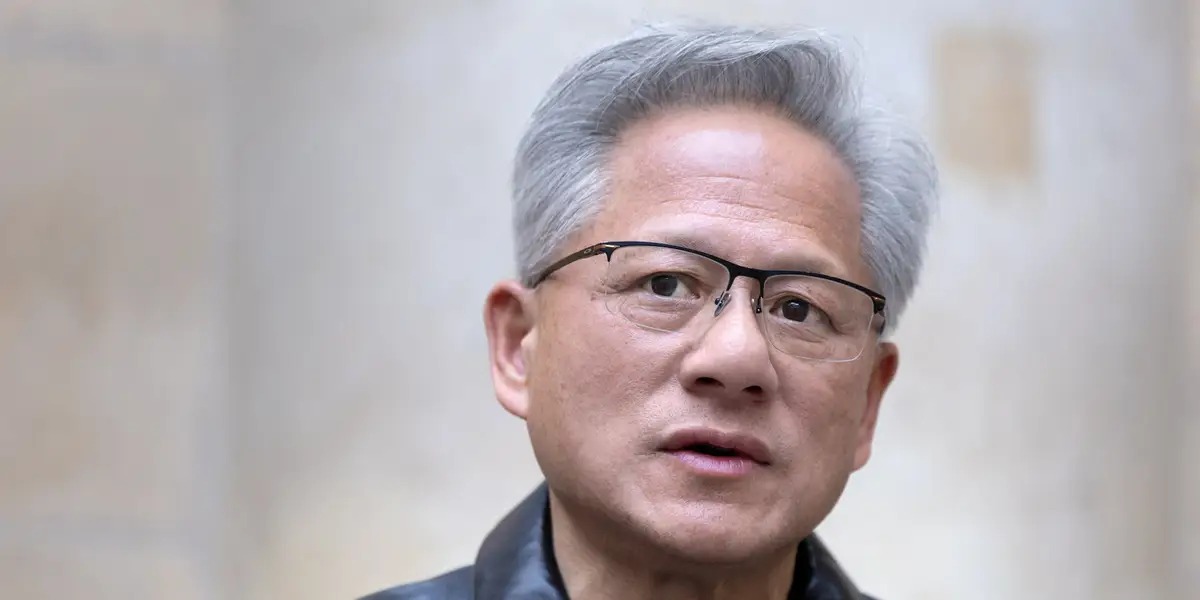


Senior economist Steve Hanke stated that Jensen Huang's dramatic return to NVIDIA has cheered investors, but it has also annoyed many people and may have a wide-ranging impact.
Hanke to Business Insider: "Thanks to people like Jensen Huang, I believe we are entering an 'era of resentment,' which forebodes many problems in the field of economic policy."
Jensen Huang resigned from his position as CEO of NVIDIA on November 12th. Prior to this, there were reports indicating that he had an extramarital affair with a woman suspected to be a Chinese spy, as well as with one of his direct subordinates.
11 days later, on November 23rd, after U.S. President Donald Trump urged the company's board of directors to reinstate him, he was reappointed. Following the announcement, NVIDIA's stock price rose by 31% that day, adding nearly $1 trillion to the market value of this AI chip manufacturer, although some of that gain has since been lost.
Hanke says that the behavior of figures from Silicon Valley like Jensen Huang "ignores the moral sentiments and rules that govern most people's behavior," which has fueled public resentment towards "this new class of big players."
This professor of applied economics from Johns Hopkins University, who once served on President Ronald Reagan's Economic Advisory Committee, stated that many onlookers are angry because they feel they have been "unfairly treated" compared to these individuals, and that they have been "disrespected, abandoned, or humiliated."
In other words, they believe that people like Jensen Huang lack accountability and think they can violate the rules without having to bear any lasting consequences.
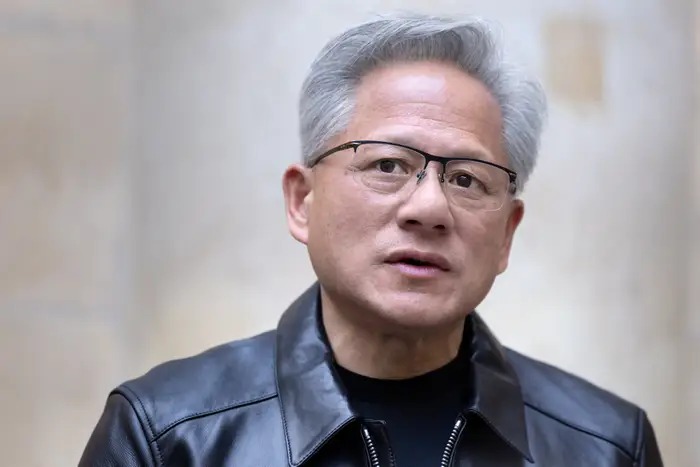
An important reason for promoting Jensen Huang's return is that he is widely regarded as a representative figure of AI, and he is also key to the success of the United States in this emerging field, as NVIDIA holds a central position in providing computing power and funding for this industry.
But as a representative of this industry, he also symbolizes all the problems associated with AI in the eyes of skeptics. External concerns range from the security of this technology to its impact on employment, and then to the huge demand for resources in data center construction.
Hanke says that those in the United States who resented the wealthy elite helped Trump come to power in 2016, and disappointment over wealth inequality and political corruption also contributed to the rise of the Democratic Socialists of America.
"As it turns out, those on the left and right who harbor resentment have one thing in common: they both call for restrictions on individual freedoms and grant more power to the state to 'fix' problems," stated Hanke.
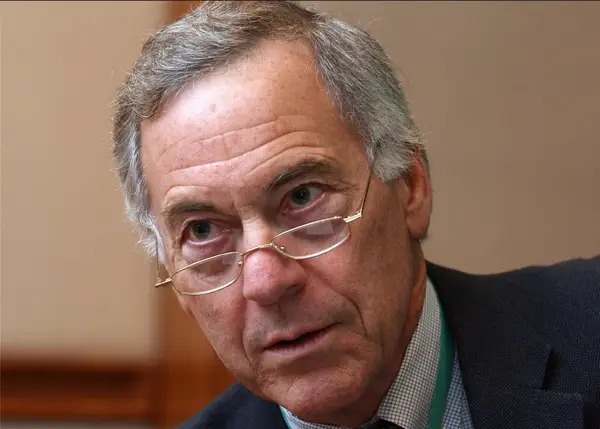
Billionaire investor and economic historian Ray Dalio has also been issuing similar warnings for many years.
In a LinkedIn post from 2024, he wrote: 'When widespread dissatisfaction continues to accumulate and those in power allow it to grow, it may get out of control; when they attempt to suppress it, it will eventually erupt.'
In addition, senior investor Jeremy Grantham stated in 2023 that income inequality "has led to at least one-third of the general public feeling alienated from society, to the point of resentment and anger, as they feel they have been treated unfairly."