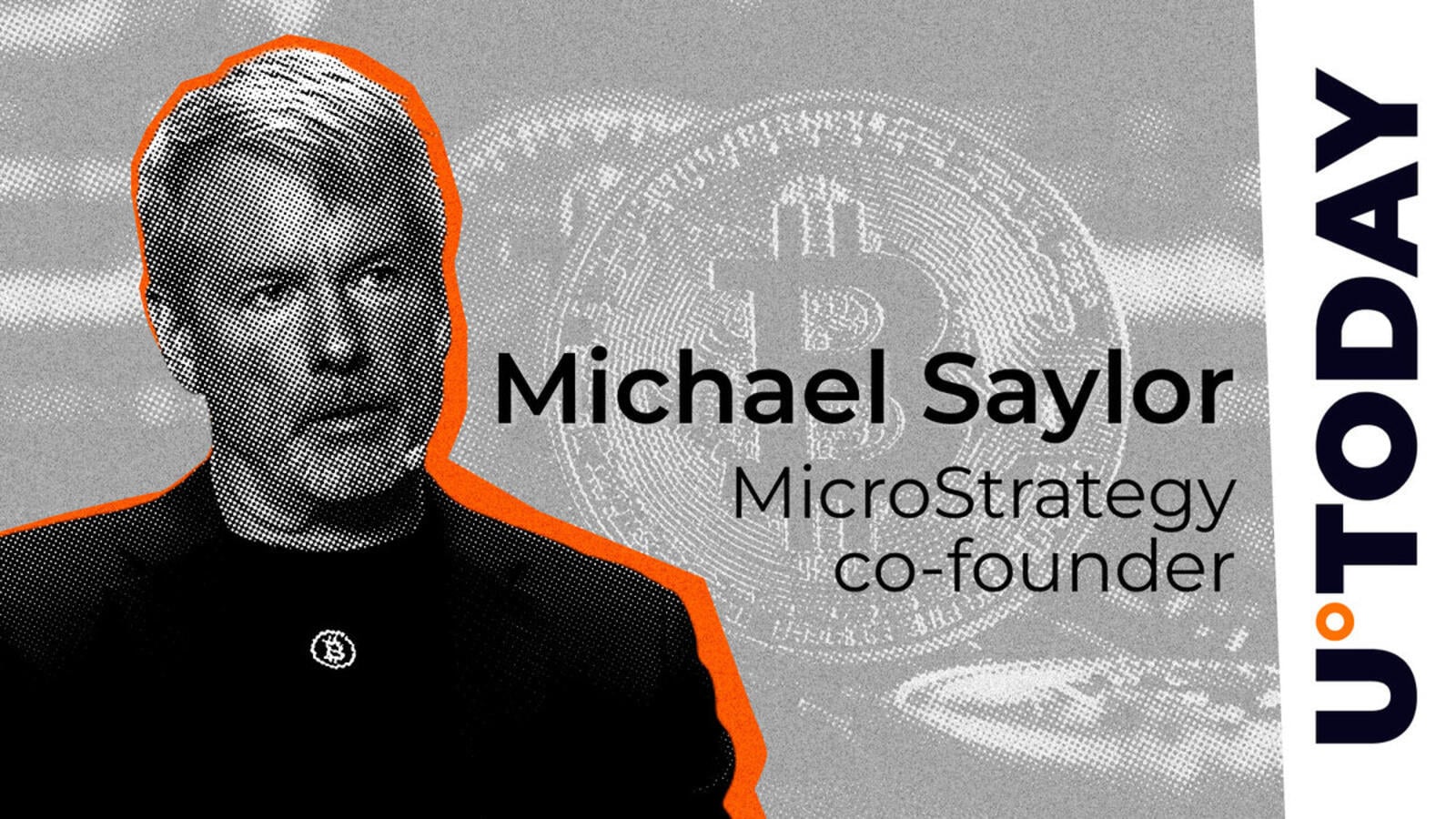


When American entrepreneur Jeffrey Tucker ( Jeffrey Tucker ) told Bitcoin supporters to stop fantasizing that Bitcoin would become the most valuable asset in the world, co-founder Michael Saylor ( Michael Saylor ) of Strategy responded by using a paper currency backed by gold as an example.
“Give up, Bitcoin supporters. There is no currency that is not used for exchange,” Tucker wrote on X.
Tucker believes that this criticism is self-inflicted by Bitcoin supporters. The mistake they made was to assume that just by declaring Bitcoin to be a means of value storage, it would automatically become one. Tucker argues that things do not work that way. He also stated that there is nothing in the history of money that supports this view.
Bitcoin is competing for your savings.
In his response, Seller first gave an example of a bakery. Suppose someone buys bread from a bakery and pays with a banknote backed by gold. The baker can use this banknote to pay the miller, who in turn can use it to pay the farmer. All three transactions can be completed with the same banknote, while the gold remains in the vault at all times.
In the second part of his response, Saylor put forward a viewpoint that is not unfamiliar to anyone who receives a salary in US dollars.
It's true that you can use dollars to buy groceries. But you can still choose to save a portion of your wealth in stocks, gold, or real estate.
"Today, people pay in dollars and place their savings in gold, stocks, and real estate. Bitcoin is competing for these savings," Saylor writes.
The last point is not as grand as the claim that Tucker refuted.
Tucker talked about how Bitcoin will become the most valuable asset in the world.
What Seller proposed, however, is a simpler argument: where people choose to put their savings.
However, Saylor's analogy of gold also posed an interesting question for Tucker. In Saylor's example, gold is still related to buying bread because it provides support for the paper money that bakers are willing to accept.
But in the modern examples he cited, a person who chooses to store their wealth in stocks is not necessarily concerned about whether the bakeries near their home accept stock as payment.
For Tucker, the key lies in how customers pay for a loaf of bread. For Saylor, the key is in how the baker handles the money received after selling the bread.