Perhaps the person behind the conspiracy theory that "birds do not truly exist" was just a few years ahead of their time.
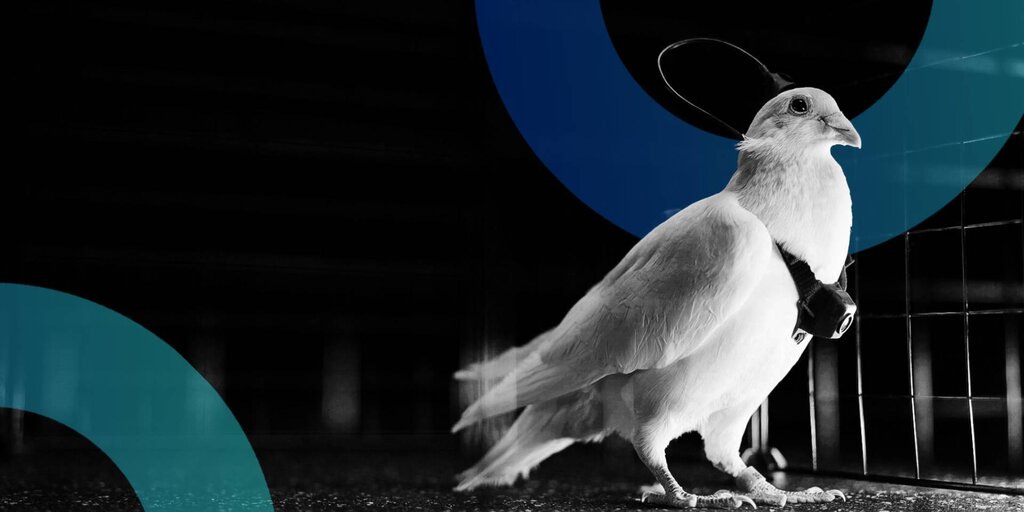
Russian neurotechnology company Neiry has begun accepting orders for aerial photography using live pigeons, which are equipped with brain implants. Forbes Russia reported on Wednesday that the company refers to them as "biological drones" and conducted their first outdoor flight test in November 2025.
According to Notebookcheck, this service is currently in the testing phase and is only available in Russia. The starting price is 300,000 rubles per square kilometer, which is approximately 3,800 US dollars.
In a previous announcement, Neiry described a system that involves surgically implanting electrodes, lightweight controllers, solar panels, and cameras. Electrical stimulation is used to prompt pigeons to turn in the desired direction, while allowing them to maintain their natural flying behavior.
Operators can remotely guide these birds, or upload pre-planned routes. Neiry indicates that the system has been tested in Russia and other countries of the Commonwealth of Independent States, and it is claimed that these pigeons can fly up to 400 kilometers (249 miles) without stopping in a single day.
Neiry Founder Alexander Panov stated in a previous announcement: 'Our current focus is on pigeons, but we may also use other species depending on the environment or payload.'
Neiry mentioned that their longest test lasted over 10 hours, during which the operator guided the bird from a distance of more than 62 miles away. The company also stated that they have completed over 100 flights outside of the laboratory and taken more than 1,000 photographs.
Dove to Machine
Neiry indicates that these birds can fly to areas where traditional drones are restricted. Their unremarkable appearance has also raised concerns regarding potential surveillance and espionage activities, BalkanWeb reported on Thursday.
The company is targeting infrastructure inspections and environmental monitoring, and it may also be used for search and rescue operations. Neiry mentioned that before handing over the images to customers, artificial intelligence is used to blur faces first. The company has also identified Brazil and India as potential markets.
In 2021, South Korean researchers published a study examining how electrical stimulation of the brain affects the flight trajectory of pigeons.
Neiry In the past, there have also been some unusual brain-computer interface experiments. Forbes Russia reported that the company collaborated with researchers to connect a mouse's brain to an artificial intelligence system in 2024, and in 2025, they announced plans to implant neural chips into cows to increase milk production.
Animal welfare remains an issue. Neiry states that they follow approved ethical protocols, but there is still a lack of independent evidence regarding the long-term effects of these implants on pigeons.
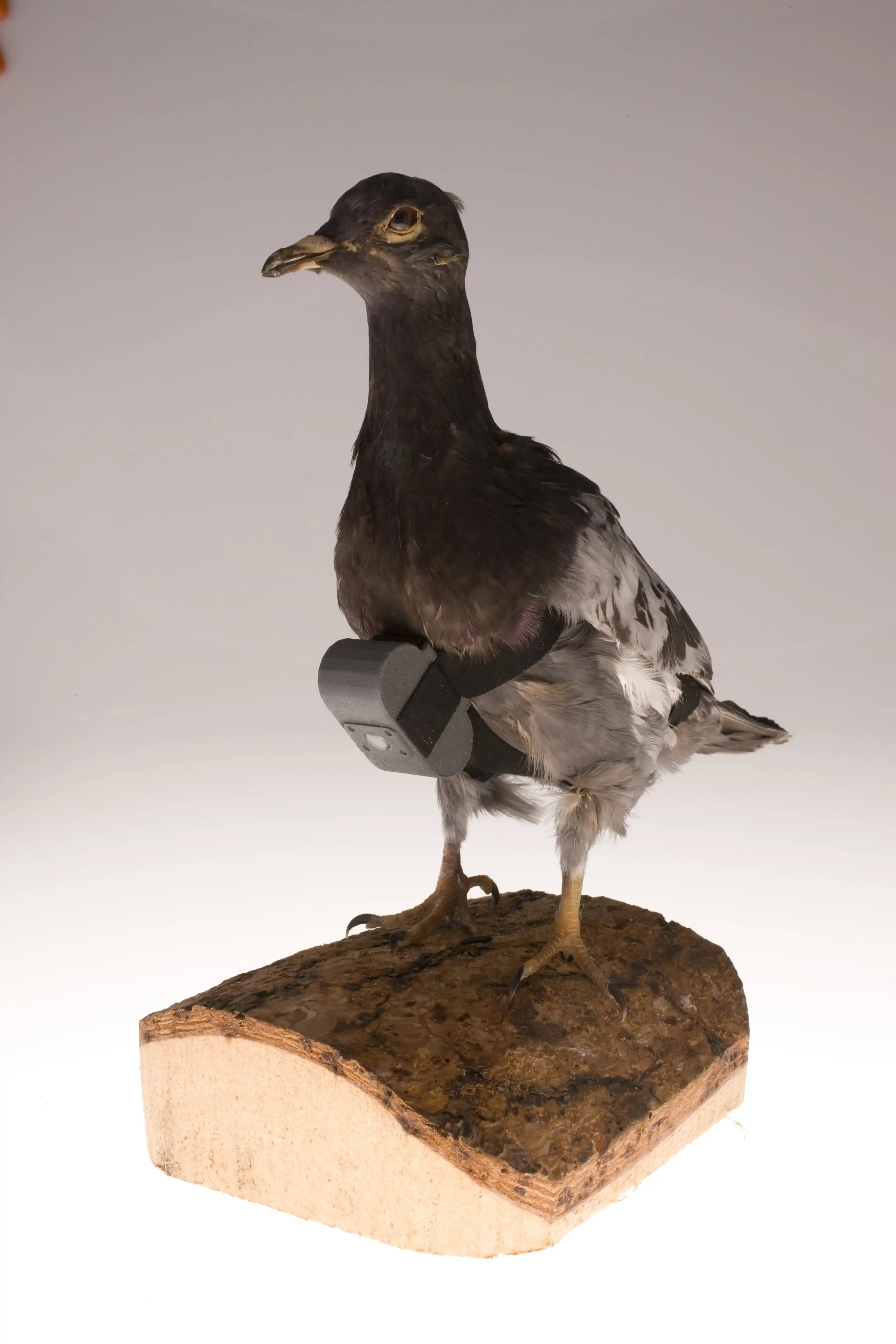
The company stated that researchers are striving to achieve a 100% survival rate for surgeries – this is merely a goal, not a proven result yet.