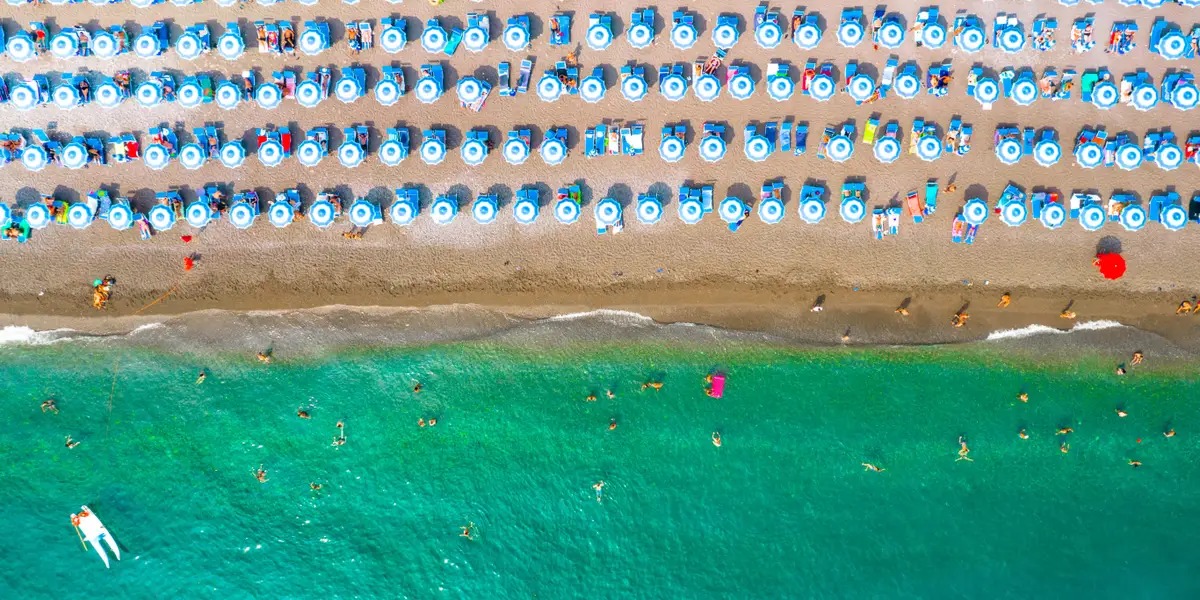


If you're already thinking about where to travel next year, you might as well also consider which places you might want to avoid.
The growth of international tourism has forced countries around the world to deal with the impacts of "over-tourism," which refers to the situation where the number of tourists exceeds a place's sustainable capacity. The effects can range from overcrowding and traffic congestion to pressures on infrastructure, the environment, and the lives of local residents, including increased living costs.
In order to help travelers become more aware of how they contribute to over-tourism, the established travel guide Fodor releases an annual “No List” that lists destinations that are suffering from its negative consequences.
“Fodor” represents: “This is not about boycotting. We’re not asking you to cancel your trips, to cross these destinations off your wish lists, or to never visit their beaches, temples, and cobblestone streets again. We just hope that you will think more carefully about when, how, and why you choose to go to these places.”
The following are 8 travel destinations for entering " No List " in 2027.
- Albania Riviera
- Amalfi Coast
The Amalfi Coast, located in southern Italy, has become a popular destination for tourists due to its picturesque towns scattered along the mountainous coastline.
In 2024, the local government of Amalfi stated that the town had nearly as many beds for tourists as for residents: there were 4,512 beds for tourists and 4,653 beds for residents.
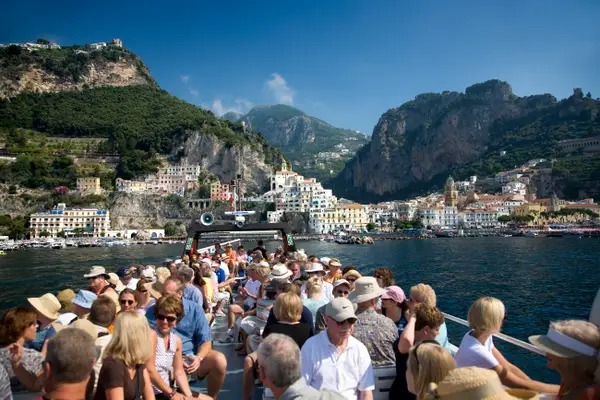
The congestion and traffic jams have reached a worrying level. During the peak tourist season, authorities will restrict vehicle access to the main coastal highways during rush hours. Among the vehicles subject to these restrictions, those with odd license plate numbers are not allowed to travel on odd-numbered days, and vice versa for those with even license plate numbers.
The infrastructure on which local residents depend, such as water supply, housing, and medical services, is also under pressure.
- Bali Island
For many years, Bali has been attracting tourists with its beaches, temples, surfing, and health and wellness resorts. Data from the Indonesian government shows that in 2025, the island attracted a record 6.9 million foreign tourists, an increase of nearly 10% compared to the previous year.
Bali has become one of the most evident examples of the impacts of over-tourism, with problems such as long queues and congestion, as well as pollution and pressure on natural resources being particularly prominent. The rice fields on the island have been replaced by hotels, and the tourism industry generates a large amount of waste, putting pressure on the freshwater supply.
Local groups held demonstrations this summer, calling for a pause in tourism development.
- Corsica
The French island of Corsica in the Mediterranean has become a popular destination due to its beaches, sailing boats, historic towns, and hiking trails, including an 112-mile-long GR20 mountain trail.
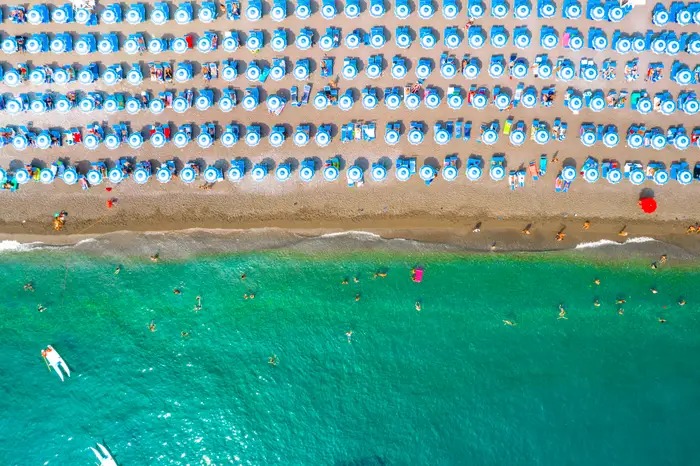
According to the local tourism agency, Corsica has a population of about 365,000 and receives nearly 3 million tourists each year. The main concerns regarding over-tourism are overcrowding and housing issues. Government data shows that nearly 37% of the island's housing stock is used as second homes or for occasional stays.
In addition, there is still unrest in the region as Corsican separatists hope to break away from France. In 2023, a separatist group destroyed more than a dozen vacation homes.
- Edinburgh
According to government data, Edinburgh had a population of about 532,000 in 2024, and that same year, it recorded 5.05 million overnight tourist visits.
Tourism has caused severe overcrowding in the old town areas and festival venues of this Scottish city, as well as increased pressure due to rising short-term rentals and living costs. This summer, Edinburgh officials imposed a 5% tourist tax on the first five nights of accommodation to support infrastructure, public services, and housing.
- Kyoto
According to city data, Kyoto is estimated to have received 12.7 million international tourists in 2025, an increase of about 17% compared to the previous year.
Crowding has become a major problem. The tourism industry consumes public resources and makes it difficult for local residents to live normally, including using public transportation. Residents are also affected by rising prices.
- Ngorongoro
Ngorongoro in Tanzania mainly attracts tourists due to its wildlife, and the Ngorongoro Conservation Area is home to some of Africa's "Big 5" animals: elephants, lions, leopards, buffaloes, and rhinos.
Tanzanian government data shows that the Ngorongoro Conservation Area received over 1.2 million visitors in 2024, an increase of 42.8% compared to the previous year.
Human Rights Watch stated that the Tanzanian government has been exerting pressure on the Maasai indigenous people within the Ngorongoro Conservation Area, demanding that they leave their ancestral lands. A report by the non-governmental organization in 2024 indicated that the government has a plan to relocate more than 82,000 people in order to use the land for conservation and tourism purposes. The report found that authorities have reduced access to basic services such as schools and medical centers, making life increasingly difficult for the residents and forcing many to leave.
The Tanzanian government denies forced relocation, stating that it is a "voluntary resettlement program" aimed at addressing "environmental degradation and the livelihood issues of local residents."
- Sedona
Sedona, located in northern Arizona, USA, attracts tourists with its red rock formations, art galleries, outdoor activities, and high-end wellness resorts.
Sedona has a population of less than 10,000 residents, but according to the city government, the town receives about 3 million tourists each year.
The tourism industry has brought about congestion and housing problems. The city stated that over 18% of the existing housing stock has been converted to short-term rentals, making it more difficult for the local workforce to find affordable housing.