Jimmy Song, a prominent
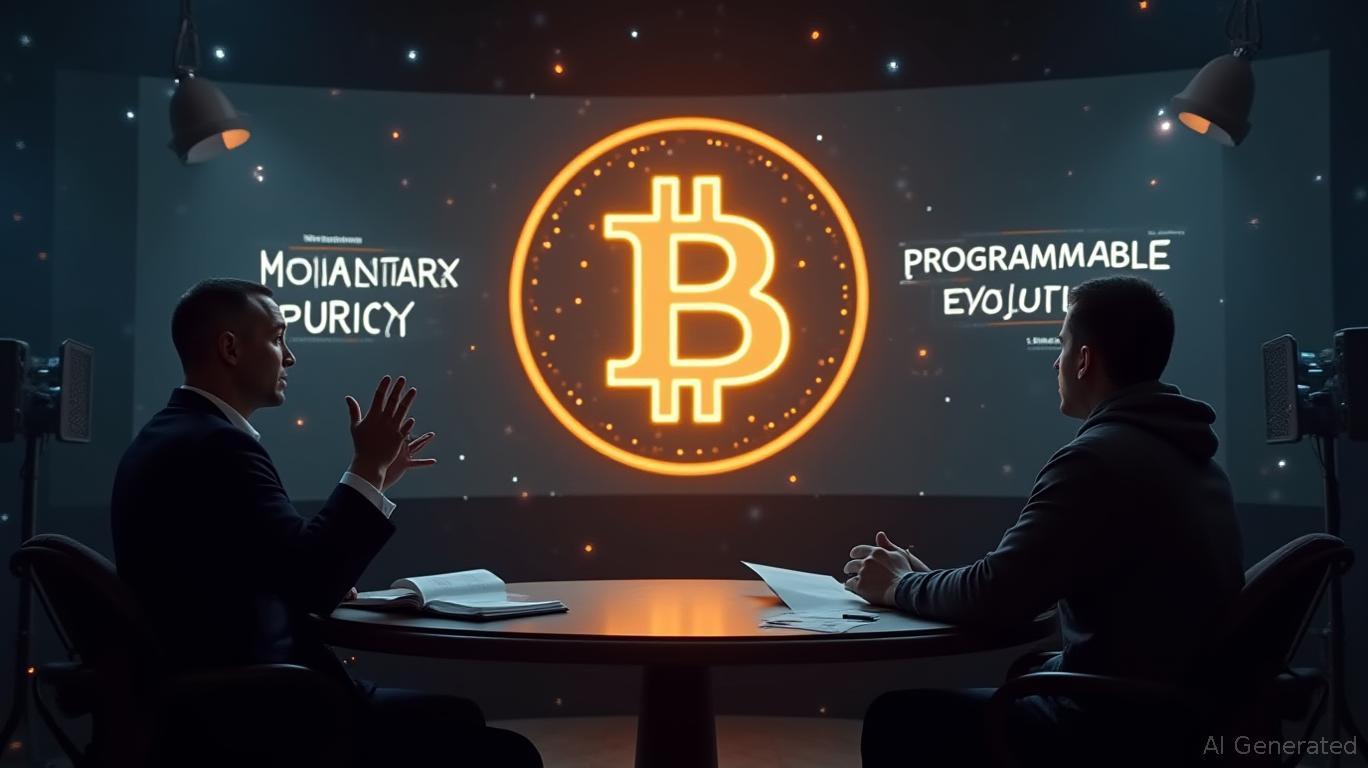
developer and advocate, has publicly criticized the Bitcoin Core development team for its decision to remove the 80-byte limit on the OP_RETURN opcode, a move that has reignited debates over Bitcoin’s core principles and future direction. The change, which will be included in Bitcoin Core 30, allows for larger data payloads to be embedded in transactions, a feature that critics argue deviates from Bitcoin’s original vision as a decentralized monetary system. Song’s criticism centers on the perceived risk that such modifications could open the door to non-monetary use cases, undermining Bitcoin’s identity as a censorship-resistant and minimalist digital currency.The OP_RETURN opcode, which permits the storage of arbitrary data in Bitcoin transactions, has long been a point of contention. While it was initially designed to facilitate unspendable data storage without bloating the UTXO set, the removal of the 80-byte limit has raised concerns about potential misuse, including the proliferation of spam transactions or the embedding of non-financial data. Proponents of the change, such as Bitcoin Core developer Peter Todd, argue that formalizing higher limits aligns with existing practices and could improve efficiency for applications like cross-chain bridges and sidechains. However, Song and others view this as a betrayal of Bitcoin’s foundational ethos, emphasizing that the network should remain focused solely on monetary utility.
The debate has deepened divisions within the Bitcoin community, mirroring past conflicts such as the 2017 block size wars. Critics, including developers like Willem S of Botanix Labs, warn that accommodating non-monetary use cases could erode Bitcoin’s decentralization by encouraging developers to prioritize technical convenience over ideological clarity. Meanwhile, supporters of the change highlight the practical benefits, such as enabling more efficient Layer 2 protocols and reducing workarounds that inadvertently strain the network. This ideological rift has also spurred a migration of users to alternative node implementations like Bitcoin Knots, which enforce stricter data limits to preserve Bitcoin’s decentralized integrity.
Historical precedents underscore the significance of this debate. The 2014 “OP_RETURN Wars” saw similar disputes over data storage limits, with services like Veriblock contributing to network congestion and higher fees. More recently, the rise of Ordinals and Inscriptions—protocols embedding images and text into the blockchain—has further intensified concerns about Bitcoin’s role as a monetary ledger. Jimmy Song’s critique reflects a broader fear that such innovations could dilute Bitcoin’s value proposition, particularly as they compete with Ethereum-based ecosystems for developer attention and use cases.
The implications of this decision extend beyond technical debates. By adjusting default settings in Bitcoin Core, the development team risks shaping user behavior and governance norms. Critics argue that prioritizing developer convenience over community consensus could undermine the network’s decentralized governance model. Conversely, advocates contend that maintaining rigid limitations stifles innovation and forces workarounds that are less efficient than formalized solutions. This tension highlights the ongoing struggle to balance Bitcoin’s original vision with evolving demands for programmability and scalability.
As the Bitcoin network prepares for the October release of Core 30, the debate underscores a critical question: Should Bitcoin remain a strictly monetary system, or should it evolve into a more flexible platform for decentralized applications? While the immediate impact of the OP_RETURN change remains uncertain, the controversy reflects a broader ideological battle that will shape Bitcoin’s trajectory in the coming years. For now, the community remains divided, with users and developers alike grappling with the trade-offs between innovation and the preservation of Bitcoin’s core principles.
Source: [1] https://beincrypto.com/peter-todds-bitcoin-op_return-limit-proposal-causes-rift-between-core-developers-and-community/ [2] https://www.coindesk.com/tech/2025/06/10/bitcoin-core-30-to-increase-op_return-data-limit-after-developer-debate-concludes [3] https://www.onesafe.io/blog/bitcoin-opreturn-debate-impact-on-decentralization [4] https://tradersunion.com/interesting-articles/bitcoin-s-op-return/