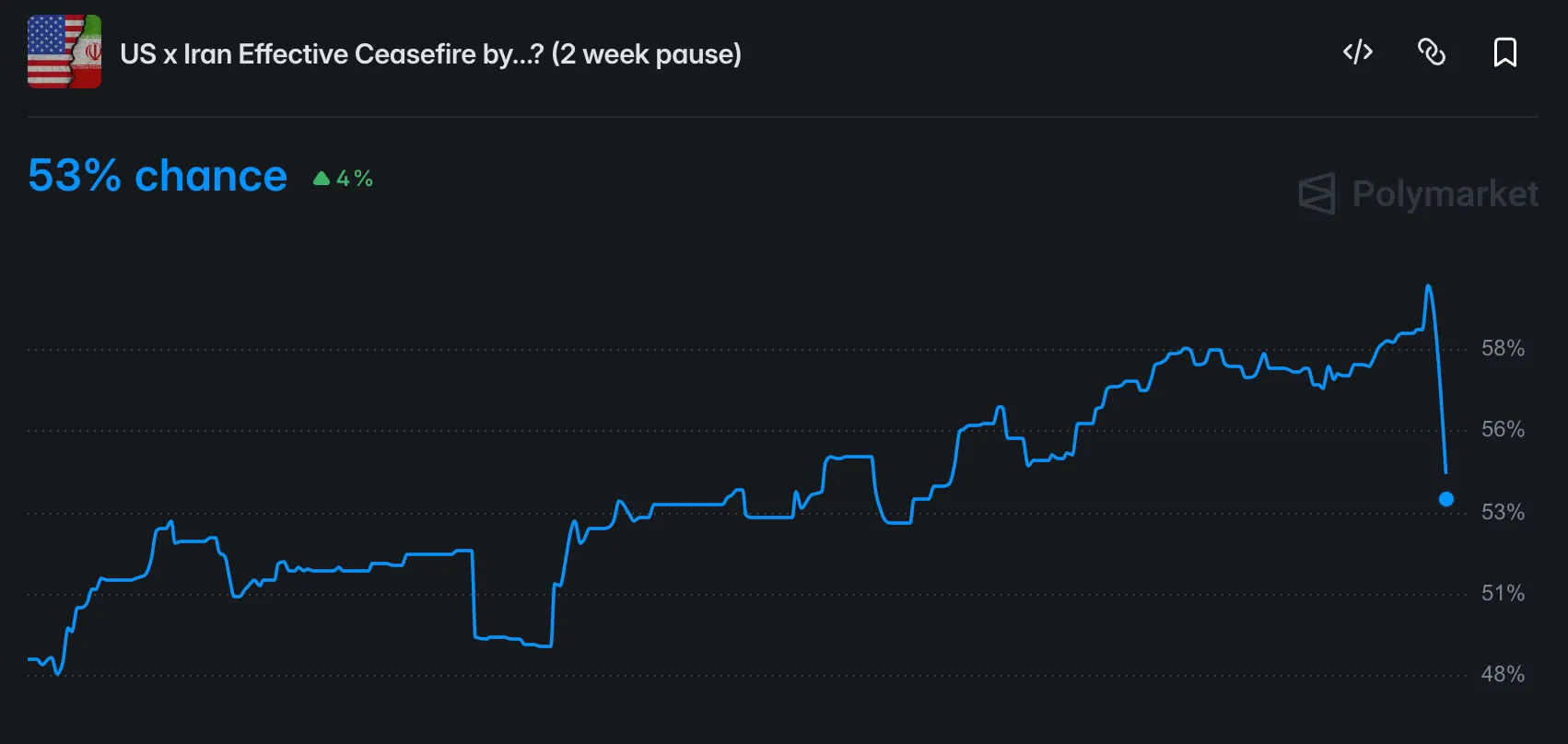


After Iran denied holding peace talks with Washington, market concerns about a renewed escalation of tensions in the Middle East quickly intensified. Driven by risk aversion, the total market capitalization of US stocks evaporated by approximately $1.05 trillion in a single day, with chip stocks leading the decline. Bitcoin also briefly fell below $64,400 during the session.
Trump says there's not much time left for negotiations.
Trump stated that the United States is still engaged in "very deep" contact with Iran, but diplomatic channels are dwindling. He added that if negotiations fail, the U.S. may resume aggressive military action. He also claimed that he suspended strikes last Friday because the mediators wanted to give negotiations another chance.
According to him, current contacts focus on reopening the Strait of Hormuz and resuming broader discussions on the nuclear issue. Oman continues to play a leading mediating role, with Qatar, Pakistan, Egypt, and U.S. officials Steve Witkoff and Jared Kushner also mentioned as participating in the communications.
Chip stocks led the decline, while oil prices remained high.
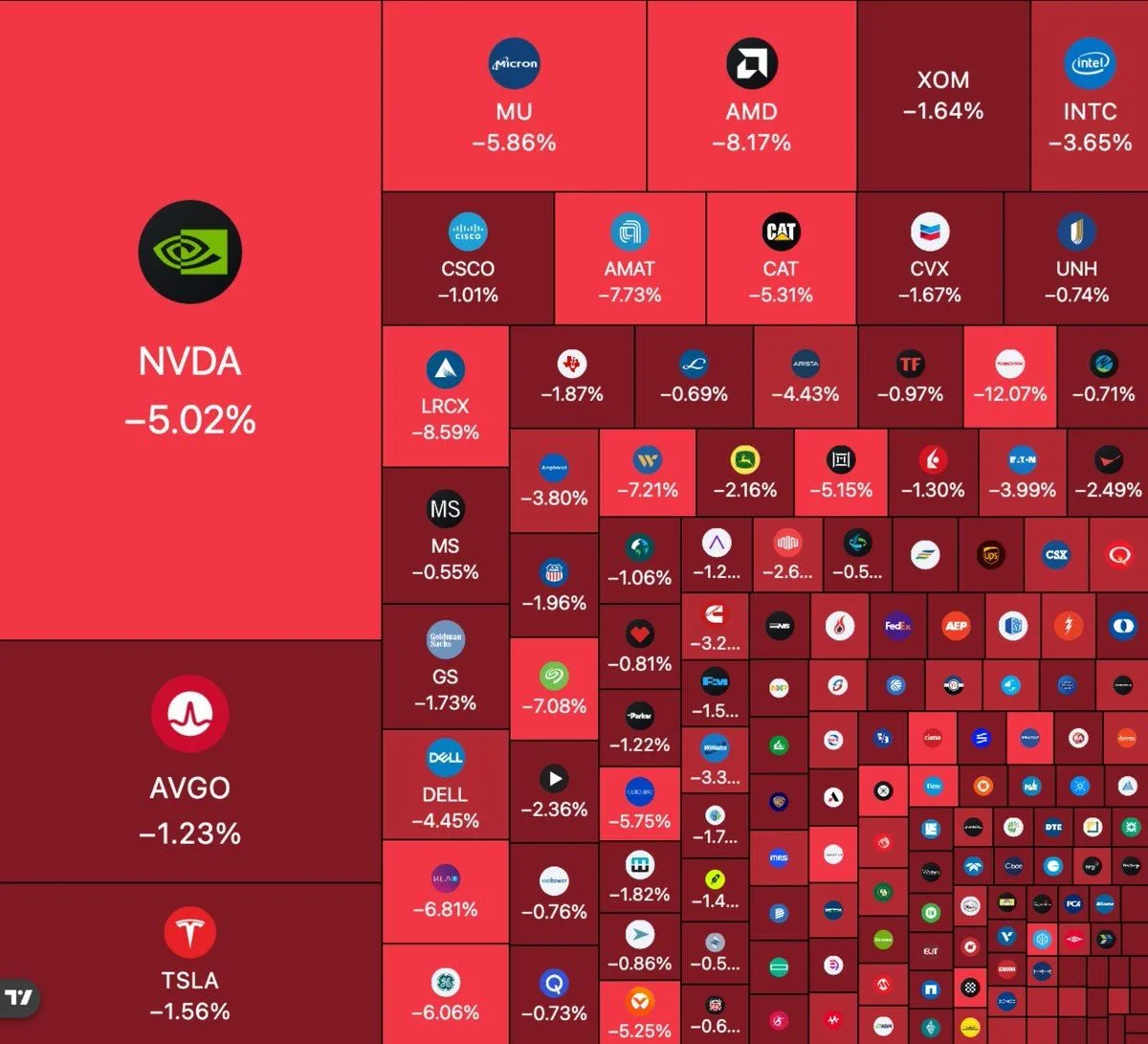
After Iran denied talks, investors began to re-prioritize the possibility of an escalation of military conflict. US stocks weakened overall, with growth sectors, which are more sensitive to risk appetite, experiencing more significant pressure, and semiconductor stocks being the main drag.
- AMD shares fell 7.60%.
- Micron Technology fell 5.02%.
- Nvidia shares fell 4.81%.
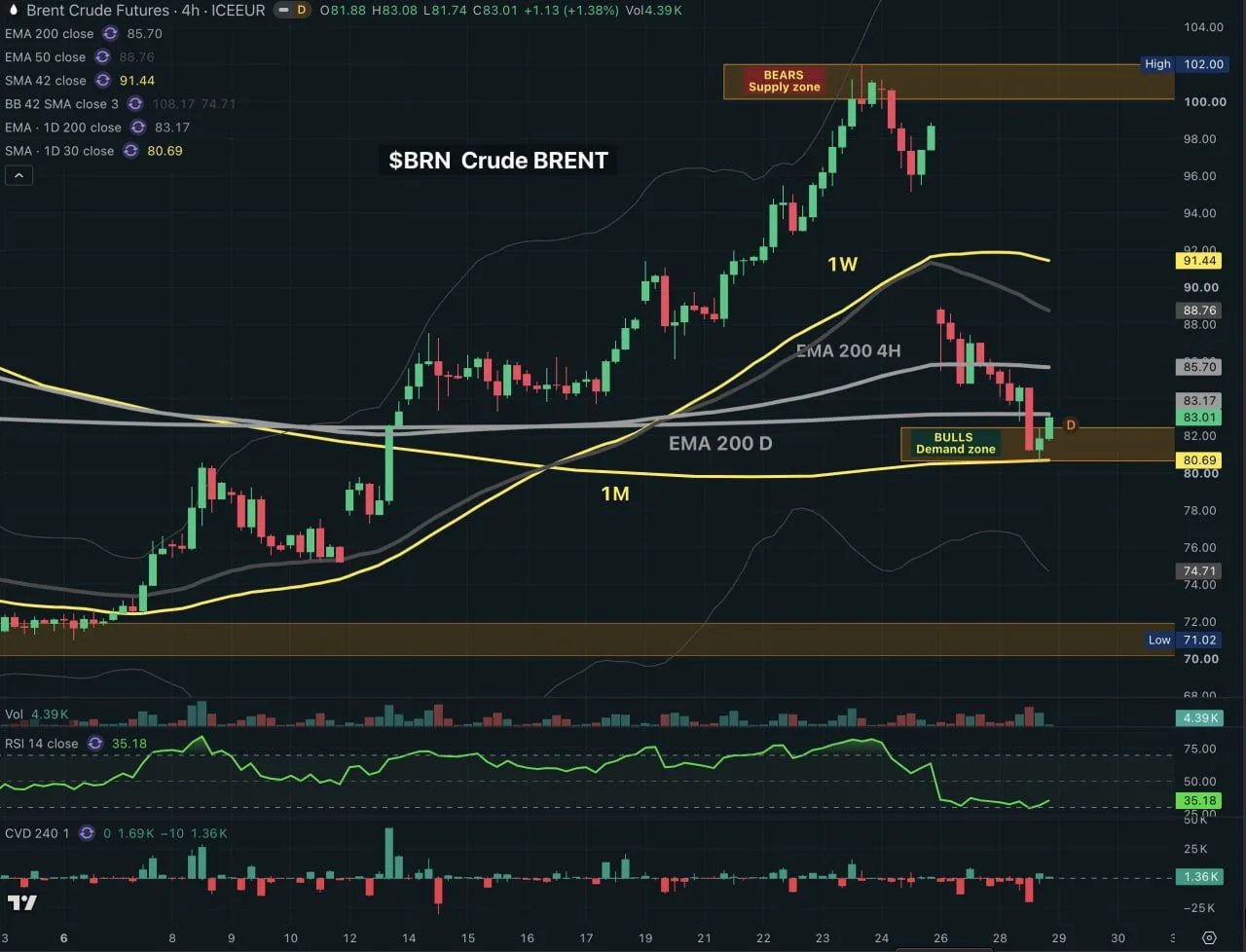
Large-cap stocks saw relatively smaller declines. Tesla fell 1.48%, Broadcom fell 0.54%, and Exxon Mobil fell 1.20%. Meanwhile, U.S. crude oil prices remained around $84 per barrel, indicating that the energy market is still reflecting supply risks from the Middle East.
Bitcoin rebounded after a brief dip
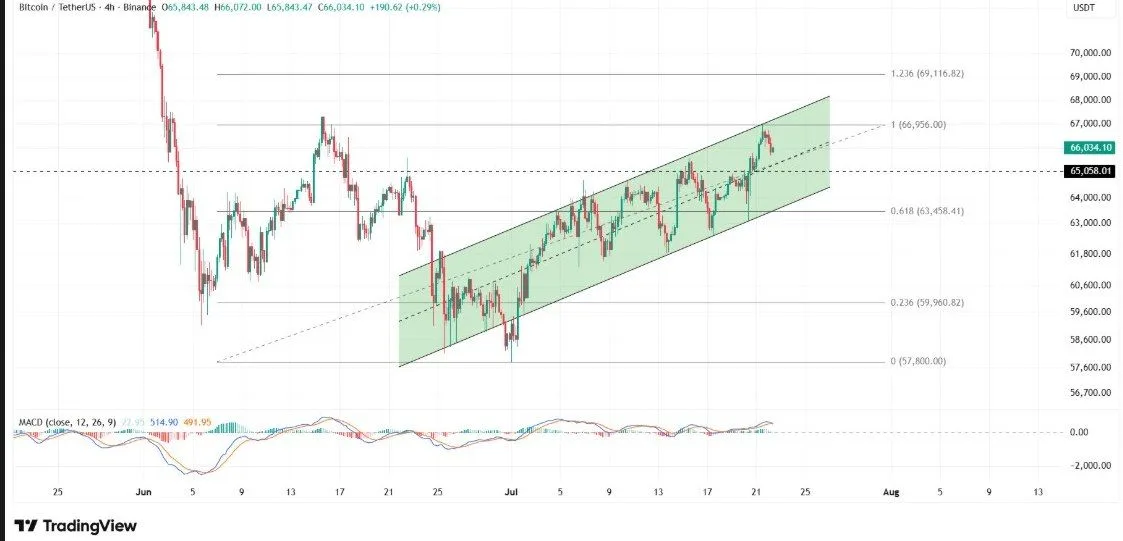
As risk assets generally came under pressure, the crypto market also experienced synchronized volatility. Bitcoin briefly fell below $64,400 before recovering some ground, returning to around $64,800 at the time of writing.
The article mentions that arrangements surrounding the Strait of Hormuz remain one of the core issues in current discussions. Regional options include Iran, Oman, and neighboring countries collecting service fees related to maritime security and environmental protection; another proposal is to incorporate these fees into a joint fund with the participation of the International Maritime Organization.
Trump also stated that the White House decided to postpone the strikes after advisors and the military submitted a new plan targeting Iran's southern coast and the area near the Strait of Hormuz. He called the pause "neither gained nor lost."
Additional information:Trump will meet with Israeli Prime Minister Netanyahu at the White House on Tuesday, and the issue of Iran is expected to be one of the key topics of discussion.