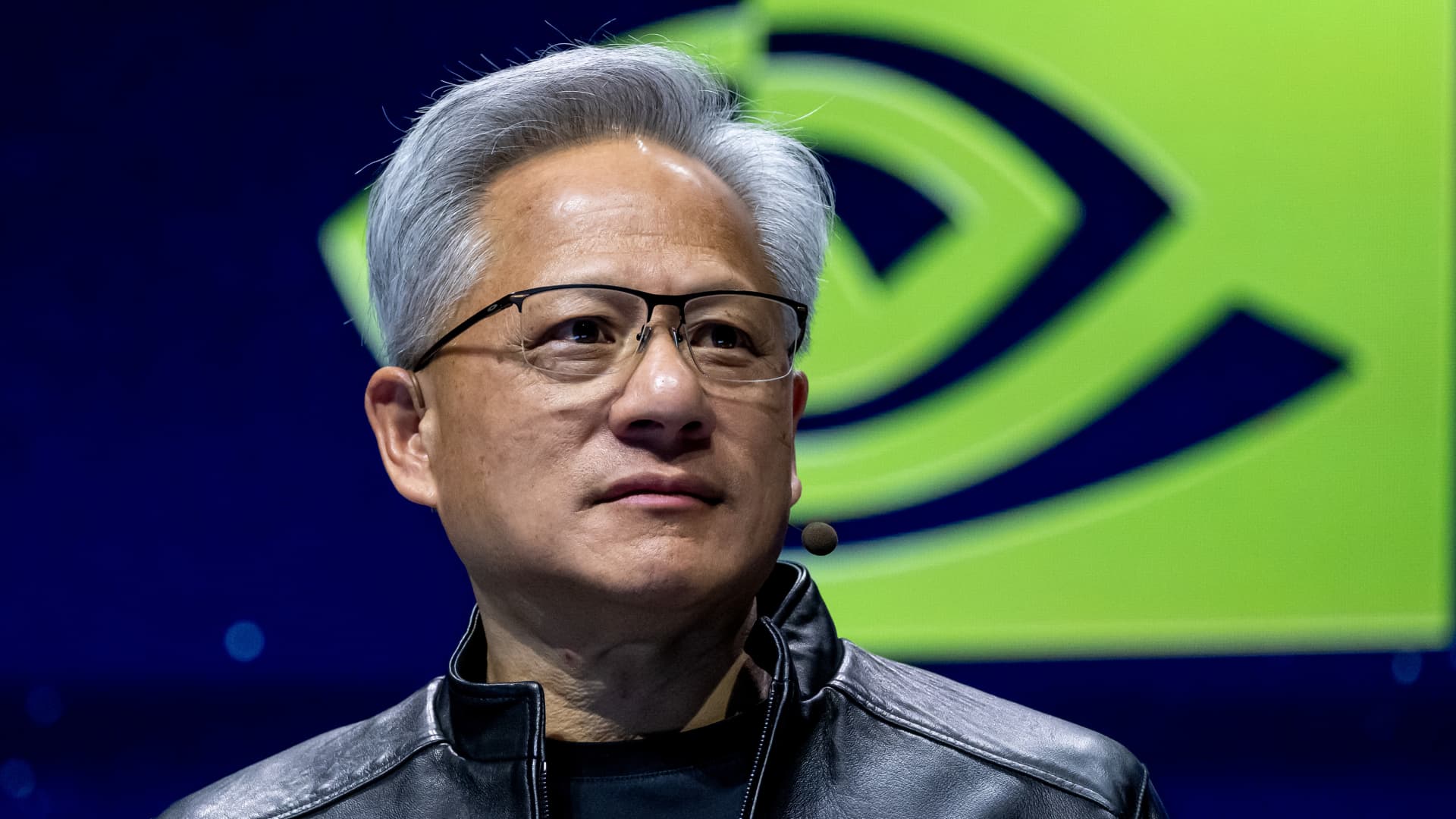


NVIDIA’s latest financial report showed strong performance, but the market reaction did not significantly spread to the entire chip sector. The company continues to benefit from the demand for AI computing power, however, investors remain cautious about the overall trend of the semiconductor sector. Their focus has shifted to valuation, the sustainability of demand, and whether more companies can keep up with the growth pace.
Strong financial reports did not drive the entire sector.
Looking at a single company, NVIDIA continues to achieve high growth, indicating that large technology companies' investment in AI infrastructure is still ongoing. However, the market has not directly extrapolated this result to the entire chip industry, and performance within the sector remains divergent.
This reflects that investors are distinguishing between the certainty of NVIDIA's own performance and whether other chip companies will be able to benefit in tandem. Against the backdrop of already crowded trading in AI, the fact that the leader performs better than expected is not sufficient in itself to automatically drive all related stocks upward.
The market has shifted to observing subsequent demand.
The broader chip stocks failed to form a clear breakthrough, which also indicates that the market still has reservations regarding several subsequent issues. These include whether companies will be able to maintain high levels of capital expenditure, whether the demand for AI will continue to spread to more supply chain companies, and whether current valuations have already reflected optimistic expectations.
During the financial reporting season, the focus is not only on revenue and profits but also on order visibility, customer spending plans, and management's outlook for the coming quarters. Without new positive signals, the momentum for the sector to continue to rise in the short term may be limited.
Beyond the leading players, there is still much that needs verification.
NVIDIA's performance once again demonstrates that AI remains one of the strongest growth drivers in the technology sector. However, for the broader chip stock market to strengthen collectively, the market needs to see more companies presenting similar performance and outlook guidance.
In other words, leading companies may be able to stabilize market sentiment, but they may not be sufficient on their own to rewrite the pricing patterns of the entire sector. Moving forward, funds are more likely to examine on a company-by-company basis whether the AI earnings are actually realized, rather than simply betting on a simultaneous rise across the entire semiconductor sector.