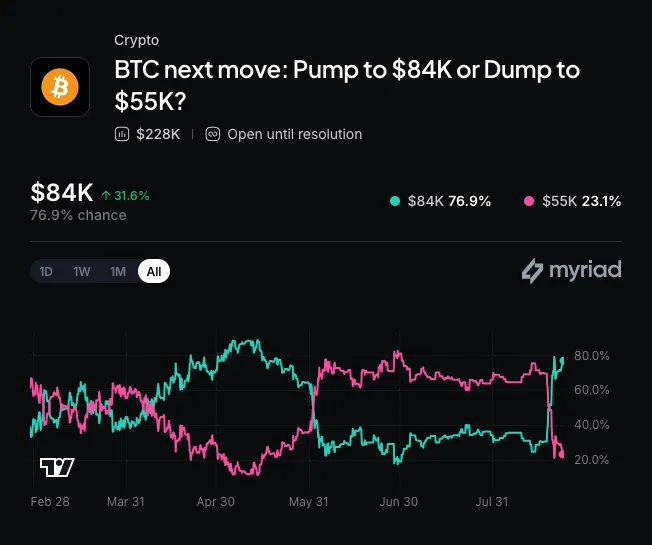


Speech by Federal Reserve Chairman Kevin Warsh at the Jackson Hole Conference reignited market expectations for further interest rate hikes. Influenced by this, Bitcoin fell below $80,000 after the speech, and traders simultaneously increased their bets on interest rate hikes in 2026.
Wash emphasizes that inflation has not reached the target
Wash placed inflation at the core of his speech. He stated that the Federal Reserve insists on using a 2% PCE inflation target, and currently, the 12-month PCE inflation rate is 3.7%, while the 6-month rate has risen to 4.1%, indicating that price pressures have not yet returned near the policy target.
He stated that although the data for PCE and CPI announced this summer were better than expected, they are not sufficient to prove that the potential inflation trend has significantly improved. Among the 199 categories of goods and services in the PCE basket, 54% of them have seen price increases of more than 3% over the past 12 months, which is still significantly higher than the long-term average before the pandemic.
Wash said that if inflation does not return to 2% quickly and clearly enough, the Federal Reserve still needs to take further action. Although he did not directly promise a rate hike at the next meeting, the market generally interpreted this statement as a hawkish signal.
Bets on interest rate hikes on the rise in the market
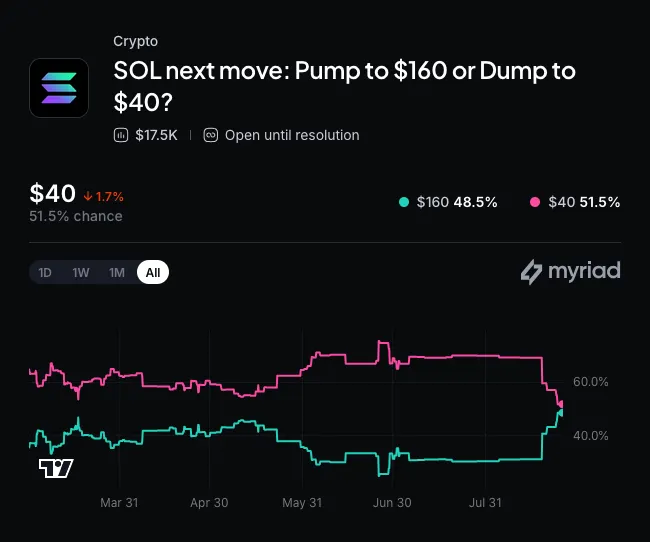
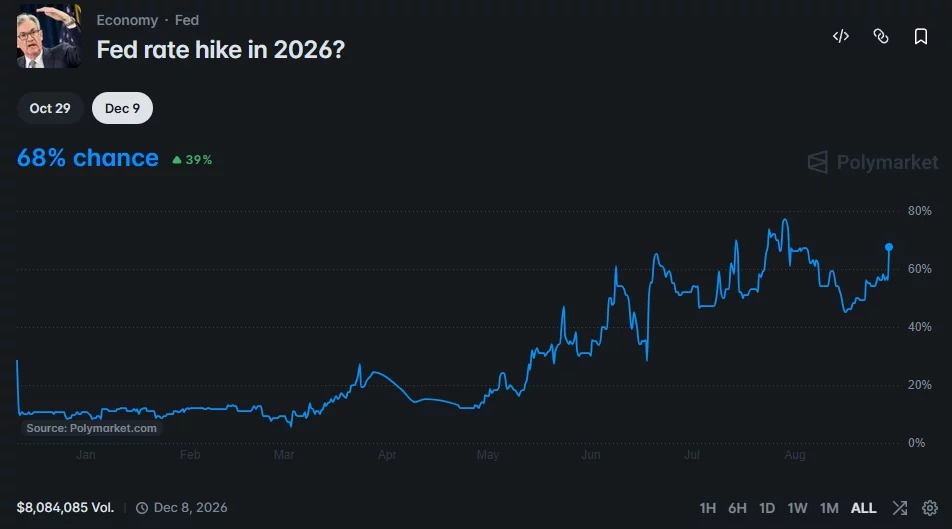
Research analyst Jake Kennis stated that Walsh's wording implies that further interest rate hikes are still an option if inflation continues to remain high. Polymarket Data shows that the market's probability judgment of at least one interest rate hike in 2026 has risen to 68%, up from less than 50% a week ago.
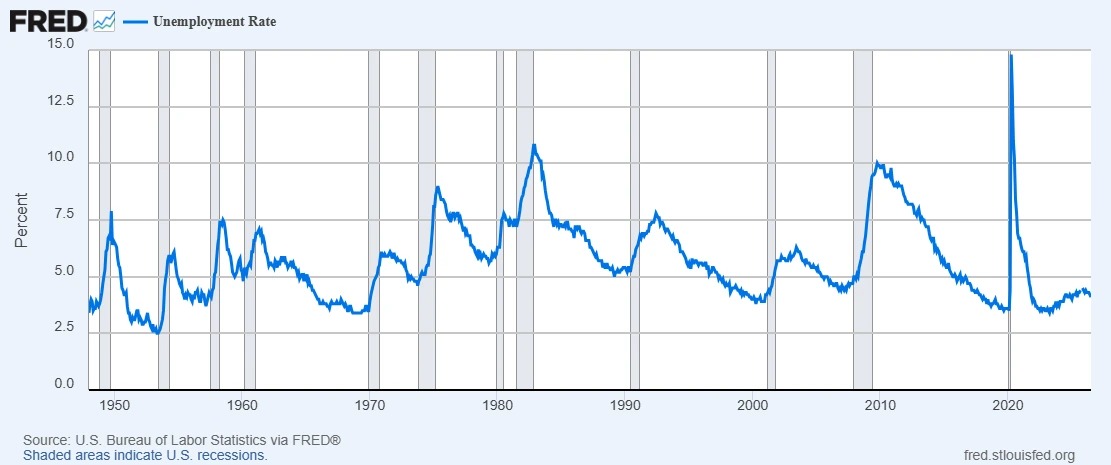
While emphasizing inflation risks, Walsh's description of the U.S. economy is relatively positive. He stated that over the past four quarters, investment in equipment and intangible assets has grown by about 9%, the fastest since 2021. More than half of this year's increase in capital expenditure is related to AI infrastructure construction. The current unemployment rate in the United States is 4.1%, which also leaves room for policy maneuvering.
Reports citing market forecasting data indicate that the probability of a 25-basis-point interest rate hike in September is about 50%, while the probability of keeping it unchanged is also around 51%. Due to real-time market fluctuations and rounding, there may be an overlap between these two figures. The CPI and PPI figures for August, which were announced before the meeting, will become important points of observation for the next phase.
Bitcoin falls back as options expire
After the announcement, Bitcoin fell from above $80,000 during the day to around $79,200, with a daily decline of nearly 2%. This drop interrupted the previous rebound. On August 25th, Bitcoin once again surpassed $80,000 after nearly 15 weeks, with a cumulative increase of about 28% over the past 8 days.
In the week prior, spot Bitcoin in the United States attracted approximately $1.92 billion in net inflows, pushing the market to test the resistance range between $80,000 and $82,000. However, analysts from Nansen who discussed the issuance of lai Sondergaard had already indicated beforehand that the short-term structure was not stable. The reasons included a relatively crowded bullish capital market, a contraction in open contracts, a decline in trading volume, and inconsistent signals regarding the flow of funds among exchanges.
Not long before Walsh's speech, on August 28th at 08:00 UTC, Deribit had just completed the settlement of a batch of Bitcoin options with a scale of approximately $6.4 billion, involving around 81,700 contracts. Bitget Wallet Research Analyst Lacie Zhang stated that this batch of positions is generally more inclined towards a constructive bullish outlook, but the nominal scale alone cannot be directly considered as a one-sided bet, as a considerable portion of it comes from market makers' hedging and spread strategies.