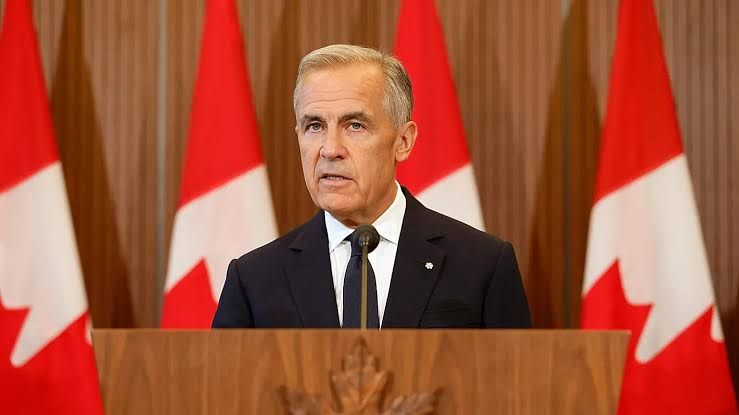


Trade negotiations between Canada and the United States have not yet resumed. Canadian Prime Minister Justin Trudeau stated that as long as Washington stops treating the dispute in a mocking and political manner, there is still a chance for both sides to engage in serious negotiations again. Meanwhile, the countdown to Canada's retaliatory tariffs on U.S. goods has begun.
Tariff measures will take effect on September 8th.
The Canadian government plans to impose retaliatory tariffs on U.S. goods totaling C$27.6 billion starting from 00:00 on September 8, in response to the 50% tariffs previously imposed by the United States on Canadian goods.
The list published by Ottawa covers American steel, dairy products, household appliances, agricultural equipment, electronic products, as well as pulp and paper products. The Canadian side stated that it will take a "reciprocal response."
Negotiations broke down in late August.
The dispute significantly escalated after August 21st. Canada stated that U.S. negotiators made unacceptable new demands in the final stages, which mainly concerned the highly integrated automotive industry chain between the two countries.
The U.S. side denies this claim, stating that it was Canada that withdrew from what was originally a viable agreement. Kerry stated that if Canada accepted the U.S. terms, many of its key industries could be weakened and even become subordinate to American companies.
Trump's remarks intensify tensions
Karni's statement comes against the backdrop of Trump's recent series of mocking remarks targeting Canada, including proposing to rename Lake Ontario as "Lake America," and releasing a picture generated by AI that shows Canadian geese marching under the American flag with a hairstyle resembling Trump's.
Karni subsequently told the media that if the United States continues to "make memes," continues to be "sarcastic," and continues to adopt a tough stance, it will be difficult to advance negotiations seriously. However, he also stated that Canada is still willing to seek a mutually beneficial arrangement, on the premise that such an arrangement respects Canadian sovereignty.
The supply chain faces greater risks of pressure.
For now, the range of products directly affected is limited, but a greater pressure comes from the manufacturing supply chain in North America. Auto parts, steel, and mechanical equipment often undergo multiple cross-border transactions during the production process, and tariffs may accumulate at various stages.
According to data from the Office of the U.S. Trade Representative, the total trade in goods between the United States and Canada in 2025 was approximately 715.5 billion US dollars, of which the United States exported about 333.6 billion US dollars and imported about 381.9 billion US dollars. If the two sides are unable to resume negotiations by September 8th, manufacturers, logistics companies, and consumers may all face higher costs.