

On-chain data shows that there has been a noticeable increase in transactions from Bitcoin addresses that have held Bitcoin for over 5 years recently. Analyst Darkfost reports that the average 90-day expenditure of this group has risen to around 1,500 BTC, roughly doubling from May of this year. Meanwhile, Bitcoin is still fluctuating around $80,000, and its price has not seen a clear breakthrough despite the increased activity.
The 90-day average has risen to approximately 1,500 BTC.
The so-called "spent output" refers to the situation where old UTXO tokens are used in new transaction inputs. This indicator can reflect whether the old coins have been moved, but it does not directly indicate that these bitcoins have been sold.
According to reported data, the 90-day average of the current 1,500 BTC is also about 56% higher than the 962 BTC on June 24th. At that time, this indicator once fell below 1,000 BTC, which was the first time since November 2024, indicating that the activity of long-term holders had dropped to a low level in nearly two years.
- On a single day in May 2024, the transfer amount exceeded 10,000 BTC.
- On a single day in February 2025, the transfer amount exceeded 30,000 BTC.
- In September 2025, it once reached 142,000 BTC.
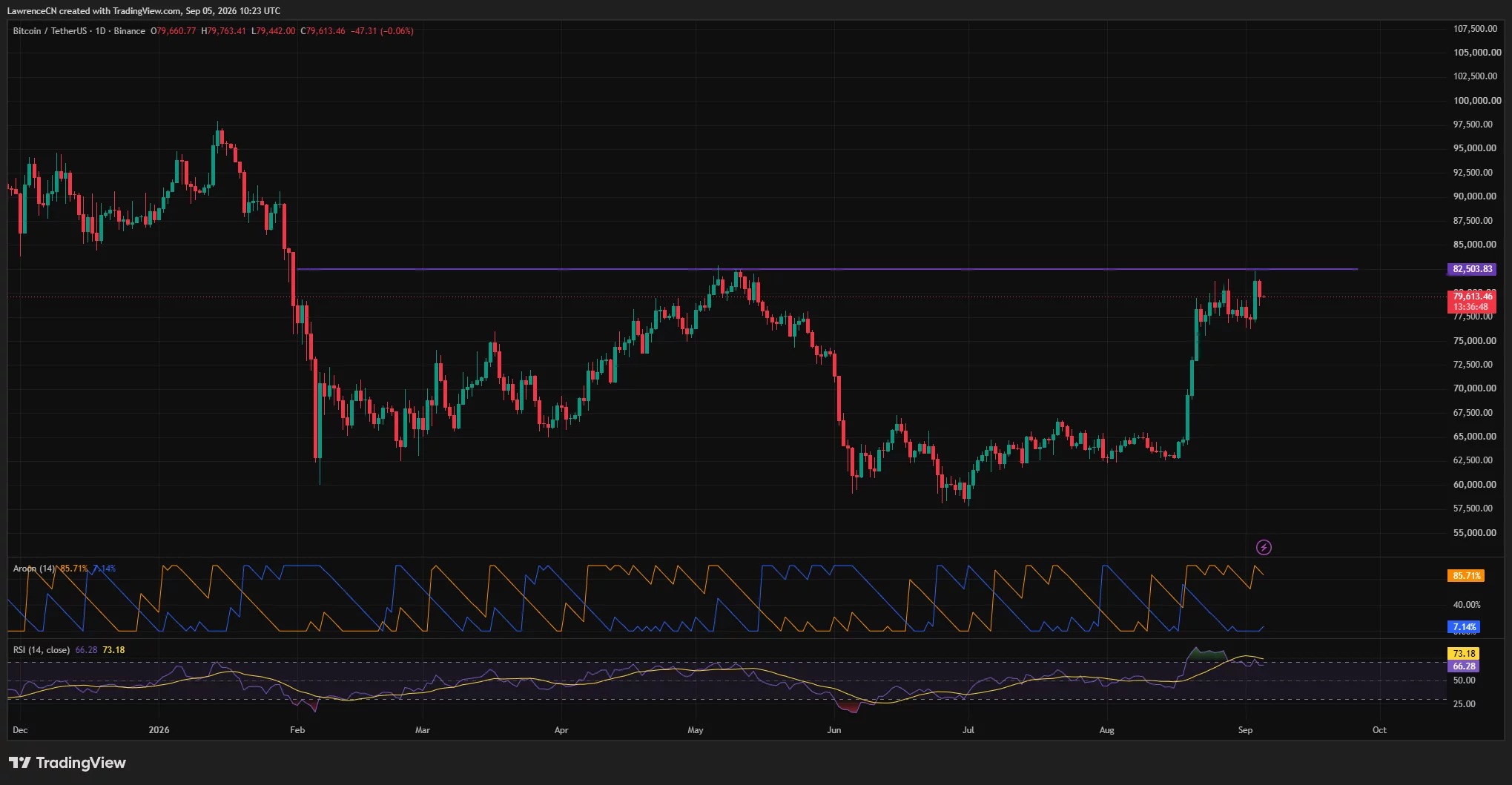
As of press time, Bitcoin was trading at around $79,600, a decrease of about 1.8% over 24 hours, with the intraday range being between $78,723 and $81,370. Despite several attempts to break through the $80,000 mark, the market has not been able to sustain it.
Moving old coins does not equal selling them off.
The Bitcoin ledger records transaction outputs, not account balances. Therefore, as long as the holder transfers the coins to a new address, the original output will be marked as "spent." Such operations may involve transferring to an exchange, changing the custodian, consolidating multiple addresses, splitting positions, or updating security settings.
Darkfost Reminder: One should not directly consider the average of 1,500 BTC as confirmation of selling pressure. Some transactions may simply be holders transferring their assets to a safer storage environment after a Coldcard security incident, rather than exiting the market.
The destination address usually has more reference value than a simple on-chain transfer. Only when an old wallet transfers coins to a marked exchange or trading company can the market more easily determine that these bitcoins have entered a tradable state. However, even so, recharging to an exchange does not equate to having completed a sale.
A set of transfers from dormant wallets in August illustrates this point. Within 10 days, 6 wallets that had been inactive for nearly 12 to over 15 years transferred a total of 553.59 BTC, which is approximately equivalent to 40.15 million US dollars at that time. Of this amount, 5 transactions went to unmarked addresses, while another 40 BTC were transferred into addresses related to Boerse Stuttgart Digital. Based solely on these transaction flows, it is still not possible to determine whether the holders sold their assets, changed their custodian, or reorganized their holdings.
Coldcard Event interference judgment
Reports indicate that a Coldcard firmware vulnerability has exposed the seed phrases generated by some hardware wallets, prompting users to be advised to regenerate their seeds and transfer their assets accordingly. Since the old seed phrases themselves pose risks, simply upgrading to the fixed firmware does not eliminate the problem.
At the beginning of August, K33 Research reported that approximately 890,000 BTC were moved within 7 days, setting a new record for the highest 7-day active supply in 2026. Meanwhile, Bitcoin was within one of the narrowest 30-day price ranges since 2023, indicating that the increase in network activity did not correspond with a price breakthrough.
Research institutions believe that this increase in activity is partly related to the migration of assets by Coldcard users and the transfer of stolen funds by attackers. Galaxy Research has previously confirmed that as of August 5th, three rounds of attacks resulted in the theft of 1,596 BTC from approximately 7,300 addresses. The institution also estimates that if a fourth round of suspected attacks is confirmed, the total loss could rise to about 2,055 BTC.
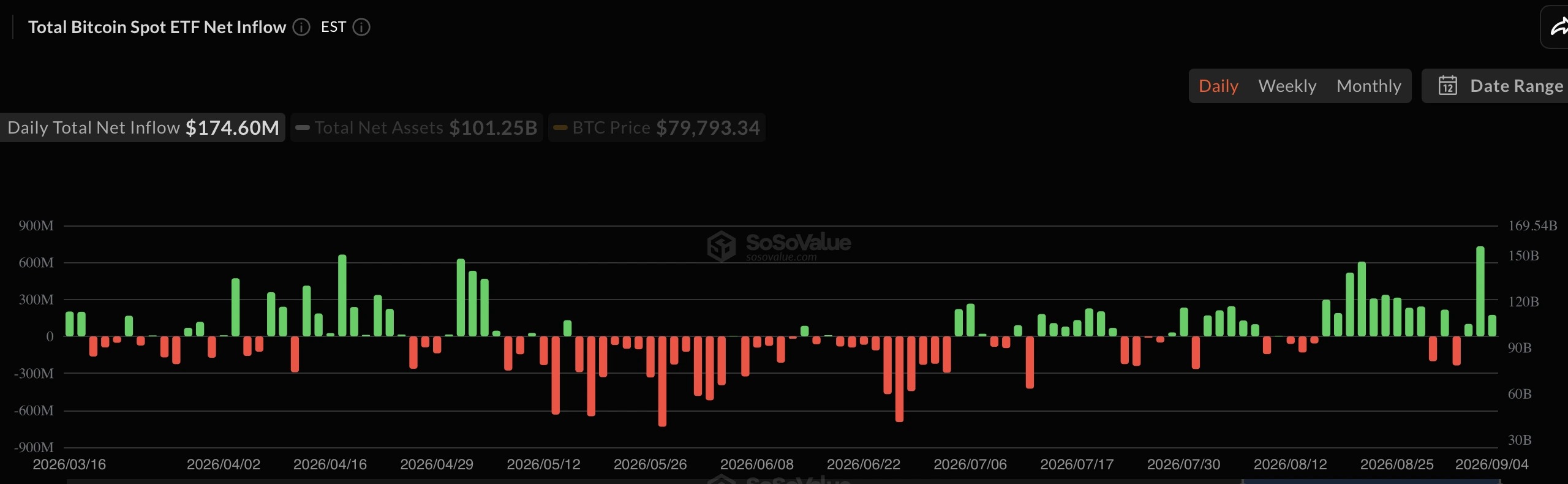
Additional information:The report also mentioned that US Bitcoin spot ETF investors do not directly manage the private keys; custody is the responsibility of the funds and their service providers. However, there is currently no verified data on capital flows that indicates that the Coldcard incident has directly led to an increase in demand for ETF.