

Disclaimer: The views expressed by the author of this article represent only their personal opinions and do not represent the views of U.Today. The financial and market information provided by U.Today is for reference only. U.Today is not responsible for any financial losses incurred from trading cryptocurrencies. Before making any investment decisions, please consult a financial expert and conduct your own research. We believe that the content of this article was accurate at the time of publication, but some of the discounts mentioned may no longer be applicable.
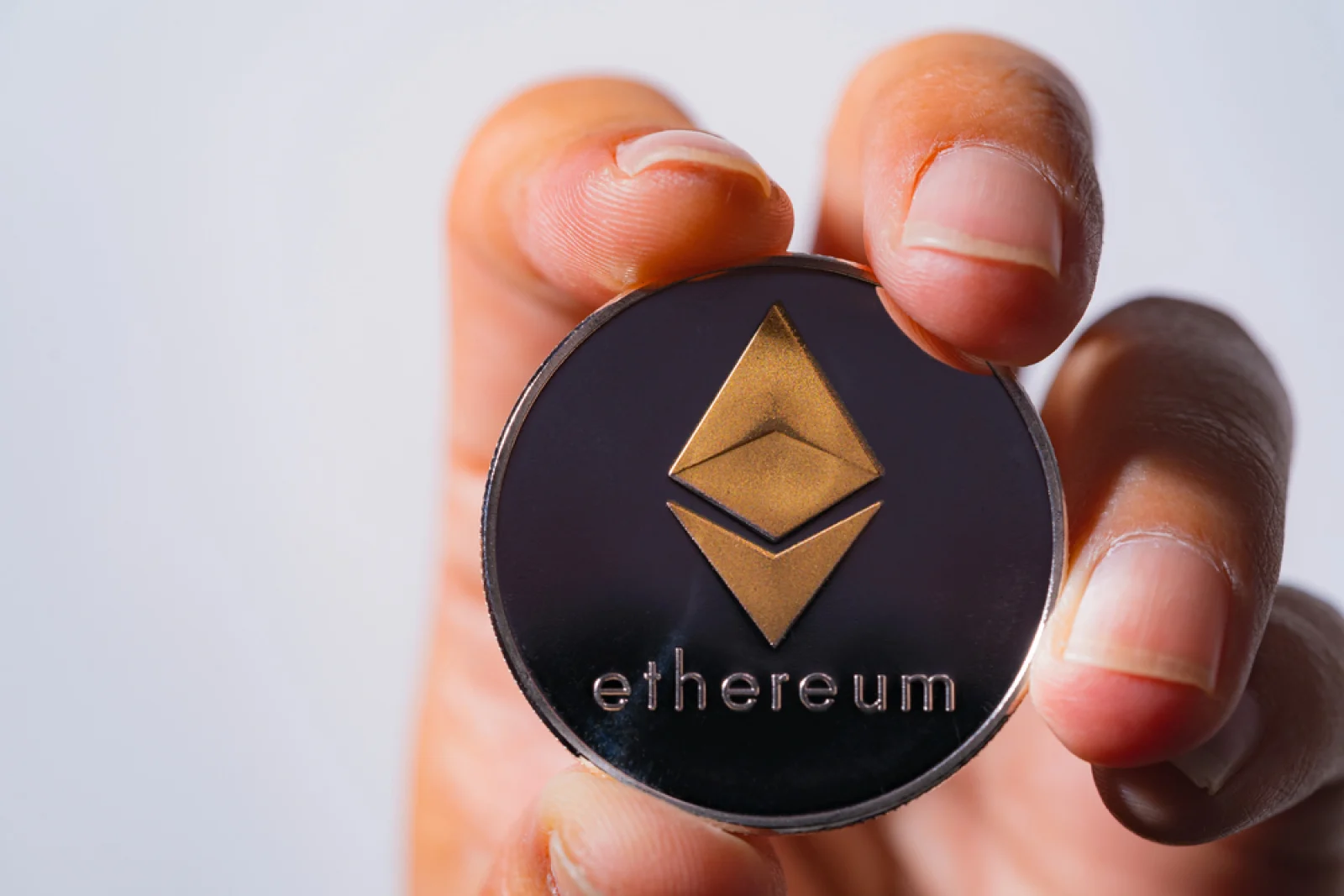
The local AI hardware boom has unexpectedly solved one of Ethereum's main infrastructure problems: the high cost of hardware for end-users.
Ethereum co-founder Vitalik Buterin confirmed this synergistic effect and demonstrated his own Geth node configuration: after optimization, it only occupies 461 GiB. Nowadays, many enthusiasts are purchasing high-performance workstations in large quantities to run large language models LLM locally and privately, and the specifications of these devices have surpassed the technical requirements of blockchain nodes.
Therefore, the excess local computing power is transforming home computers from terminals for accessing other people's cloud services into independent computing nodes. This hardware enables users to run AI tasks, independently verify blockchains, and conduct secure transactions, completely eliminating intermediaries.
How Ethereum Adapts to the New Reality
Thanks to the integration of the EIP-4444 standard and the optimization of snap and sync, a complete node can now be synchronized in about 12 hours, and the disk requirement has been reduced to below 0.5 TB.
For users of AI devices equipped with GPU, such as the NVIDIA RTX 5090 graphics card or the DGX Spark system, these requirements can be almost ignored. The high-speed, large-capacity NVMe solid-state drives used to store the weights of the AI model are usually already part of their computer configurations; therefore, running the node is just an additional background process. The next hard fork Glamsterdam will further accelerate the synchronization speed of the L1 infrastructure.
As node technology upgrades, the demand for privacy is also increasing. Buterin pointed out that in his own work process, he is increasingly replacing browser-based dApp with command-line interfaces (CLI). The reason lies in security: web interfaces hardcode calls to commercial RPC providers, allowing these providers to collect user metadata.
The next logical step in this trend is kohaku-cli, which is a command-line wallet developed with the support of the Ethereum Foundation. The project aims to provide privacy protection out of the box and is currently testing private balance management functions on alpha. It also integrates protocols such as Tornado Cash, Railgun, and Privacy Pools among others.